Introduction
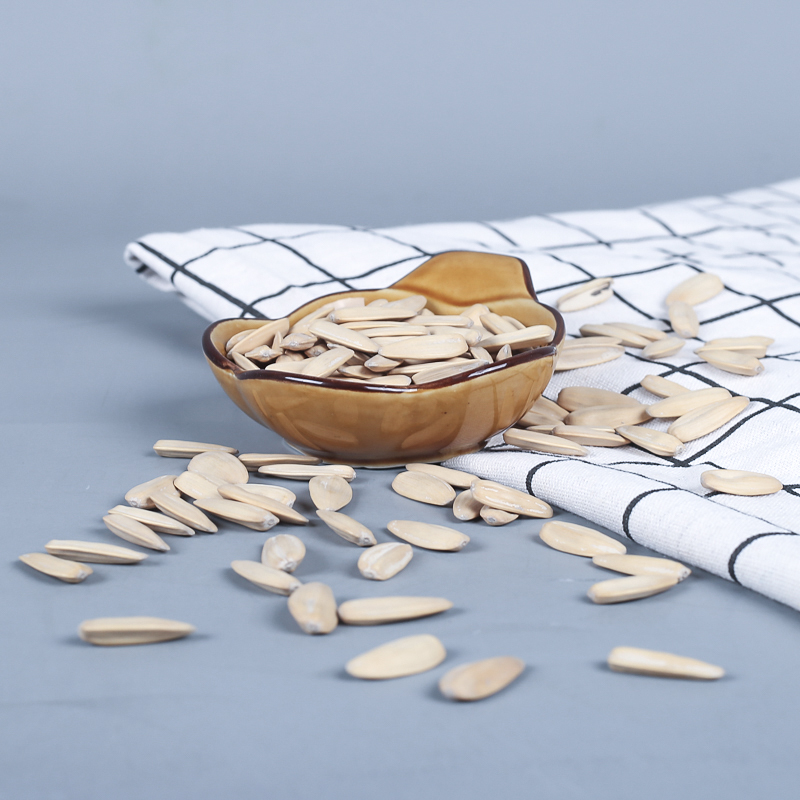
China fried sunflower seeds represent a significant segment of the global snack food market, particularly within East and Southeast Asia. These seeds, derived from the Helianthus annuus plant, undergo a multi-stage processing procedure encompassing cleaning, dehulling, drying, frying, seasoning, and packaging. Their technical position within the food chain is characterized by a focus on maximizing palatability, extending shelf life, and achieving consistent product quality. Core performance parameters include moisture content, oil content, shell percentage (for in-shell varieties), aflatoxin levels, and the adherence of seasoning. The industry faces persistent challenges relating to sourcing high-quality seeds, controlling acrylamide formation during frying, maintaining consistent seasoning application, and meeting increasingly stringent food safety regulations regarding heavy metal content and microbial contamination. The economic scale of this production necessitates rigorous process control and supply chain management.
Material Science & Manufacturing
The primary raw material is sunflower seed kernels, composed predominantly of lipids (40-50% oil content, primarily linoleic acid), proteins (20-25%), carbohydrates (15-20%), and fiber. Seed quality significantly impacts the final product. Hulls contain lignin and cellulose providing structural integrity. Manufacturing begins with cleaning to remove debris and foreign matter. Dehulling, typically mechanical, separates the kernel from the hull, impacting kernel damage and yield. Drying, using hot air (typically 50-70°C), reduces moisture content to ~8-10% to inhibit microbial growth and facilitate frying. The frying stage, conducted in vegetable oil (often palm oil, sunflower oil, or soybean oil at 170-190°C), introduces desirable flavor compounds through Maillard reactions and lipid oxidation. Precise temperature control is critical to prevent excessive acrylamide formation. Seasoning, typically involving dry-blending with salt, sugar, flavor enhancers (MSG), and spices, requires uniform distribution. Packaging, commonly utilizing multi-layer films (PET/PE or CPP), provides a barrier against moisture, oxygen, and light. Critical parameters during frying include oil turnover rate, fryer temperature uniformity, and frying time. Kernel size variation necessitates precise control of all process parameters. Oil quality control, assessing peroxide value and free fatty acid content, is paramount to prevent rancidity.
Performance & Engineering
Performance is assessed through several engineering criteria. Compressive strength of the kernel is important for minimizing breakage during handling and packaging. Oil absorption rate during frying influences both flavor and textural characteristics. Moisture migration rate through packaging affects shelf life; permeability to water vapor and oxygen dictates the barrier properties required. The heat transfer coefficient during frying determines the rate of moisture removal and the development of desirable flavors. Flavor retention stability during storage, affected by lipid oxidation and volatile compound loss, is a crucial aspect of quality control. Statistical process control (SPC) is implemented to monitor key parameters like frying temperature, oil acidity, and moisture content. Material handling systems, including conveyors and vibratory feeders, are engineered to minimize kernel damage. Seasoning application is optimized through precise metering and mixing systems to ensure uniformity. Aflatoxin analysis, using HPLC or ELISA methods, verifies compliance with food safety standards. The engineering design of the frying equipment must also account for heat recovery systems to improve energy efficiency.
Technical Specifications
| Parameter | Unit | Typical Value | Acceptable Range |
|---|---|---|---|
| Moisture Content | % | 8.5 | 7.0 – 10.0 |
| Oil Content | % | 45 | 40 – 50 |
| Salt Content | % | 1.5 | 1.2 – 1.8 |
| Aflatoxin B1 | µg/kg | <2 | <4 |
| Kernel Damage (%) | % | <5 | <10 |
| Peroxide Value (Oil) | meq O2/kg | <5 | <10 |
Failure Mode & Maintenance
Failure modes in china fried sunflower seeds manifest in several ways. Rancidity, caused by lipid oxidation, results in off-flavors and reduced shelf life. Aflatoxin contamination, stemming from improper storage of raw materials, poses a significant health risk. Kernel cracking during processing or handling compromises product appearance and quality. Uneven seasoning application leads to inconsistent taste profiles. Moisture absorption from the atmosphere causes clumping and texture changes. Acrylamide formation during frying, while unavoidable to some extent, can exceed regulatory limits with improper process control. Maintenance of frying equipment involves regular oil filtration and replacement, cleaning of heating elements, and inspection of temperature control systems. Storage facilities require monitoring of temperature and humidity to prevent mold growth and insect infestation. Packaging machinery needs routine calibration and cleaning to ensure seal integrity. Preventative maintenance programs focused on monitoring oil quality, controlling frying temperatures, and implementing strict sanitation procedures are crucial to minimizing failures. Regular inspection of seed sources for aflatoxin and proper segregation of damaged kernels are also vital preventative measures.
Industry FAQ
Q: What are the key factors influencing acrylamide formation during the frying process?
A: Acrylamide formation is primarily influenced by frying temperature, frying time, moisture content of the seeds, and the presence of reducing sugars. Higher temperatures and longer frying times generally lead to increased acrylamide levels. Lower initial moisture content also promotes acrylamide formation. Optimizing frying parameters, employing blanching techniques to reduce sugar content, and using appropriate oil types can mitigate acrylamide formation.
Q: How is aflatoxin contamination controlled throughout the supply chain?
A: Aflatoxin control begins with sourcing seeds from regions with low aflatoxin prevalence. Regular testing of raw materials using HPLC or ELISA methods is essential. Proper storage of seeds in dry, well-ventilated facilities prevents mold growth. Strict adherence to good manufacturing practices (GMPs) and hazard analysis and critical control points (HACCP) principles throughout the entire processing chain is critical. Regular auditing of suppliers and robust traceability systems are also necessary.
Q: What types of packaging materials are most effective for maintaining product quality and extending shelf life?
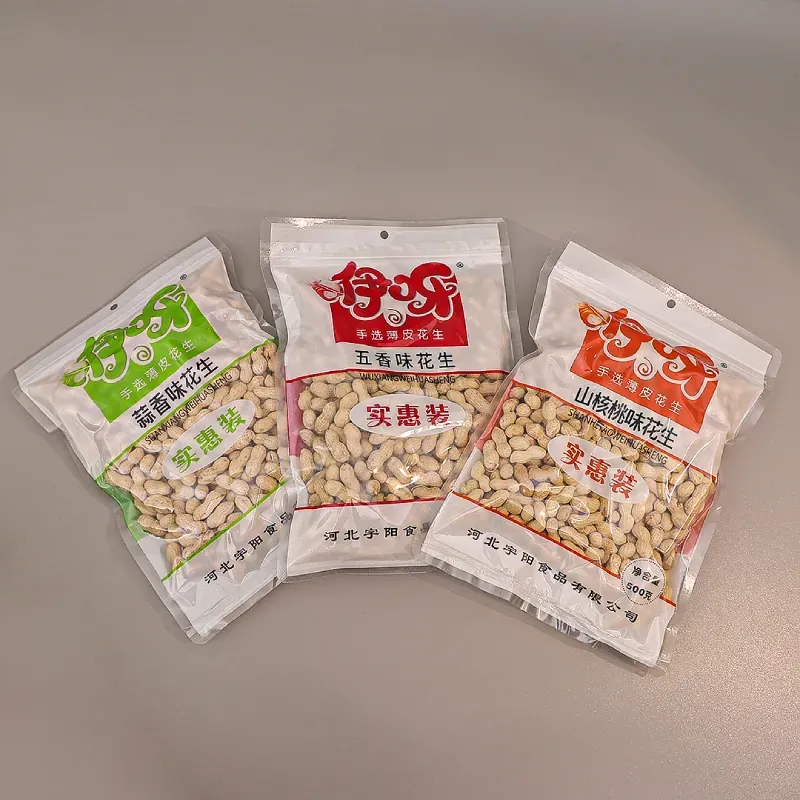
A: Multi-layer films consisting of PET/PE or CPP provide an effective barrier against moisture, oxygen, and light. Metallized films offer enhanced barrier properties. The selection of packaging material depends on the desired shelf life and storage conditions. Vacuum packaging can further extend shelf life by removing oxygen. Proper sealing techniques are crucial to maintain barrier integrity.
Q: What are the typical oil turnover rates used in commercial frying operations?
A: Oil turnover rates typically range from 50% to 100% per batch, depending on the frying system and desired product quality. Higher turnover rates help maintain oil quality and minimize the buildup of harmful compounds. Regular oil filtration is also crucial to remove particulate matter and extend oil life. Monitoring oil acidity and peroxide value provides valuable insights into oil degradation.
Q: What methods are used to ensure uniform seasoning application?
A: Uniform seasoning application is achieved through precise metering and mixing systems. Drum coaters, vibratory feeders, and spray applicators are commonly used. Control of seasoning particle size and distribution is important. Regular calibration of seasoning equipment and visual inspection of finished product are essential to ensure consistency.
Conclusion
China fried sunflower seeds represent a complex food product requiring precise control over material sourcing, processing parameters, and packaging. The industry’s performance hinges on maintaining optimal moisture content, minimizing lipid oxidation, and rigorously controlling food safety hazards such as aflatoxins and acrylamide. Successful manufacturers employ statistical process control, robust quality assurance programs, and adherence to international standards to deliver a consistent, safe, and palatable product.
Future advancements will likely focus on developing novel frying technologies to reduce acrylamide formation, improving packaging materials to enhance barrier properties and sustainability, and implementing blockchain technology for enhanced traceability throughout the supply chain. Continued research into optimizing seasoning formulations and extending shelf life without compromising product quality will also be crucial for maintaining competitiveness in the global snack food market.
