Introduction
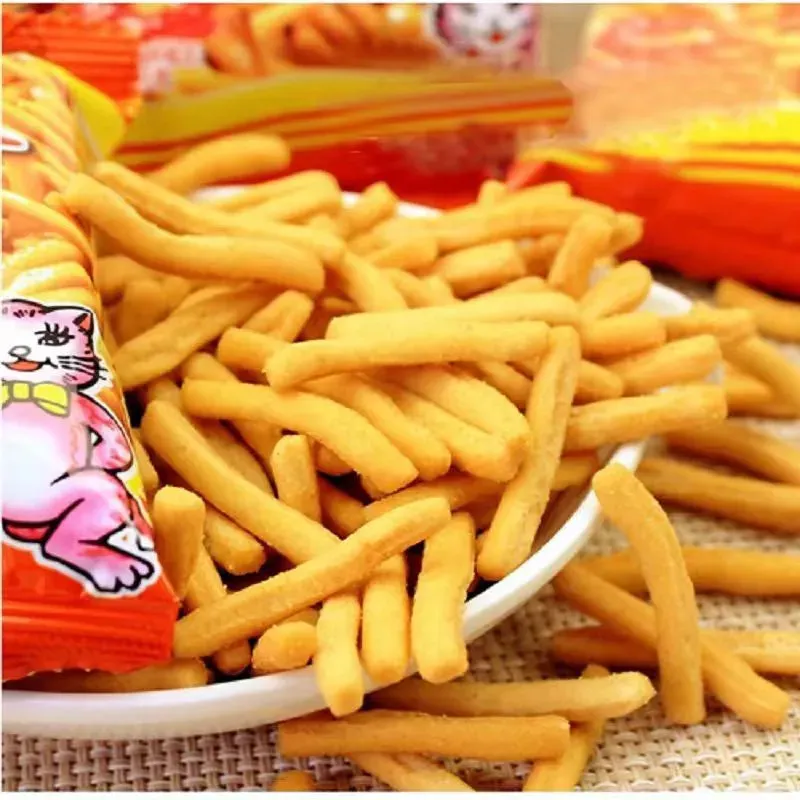
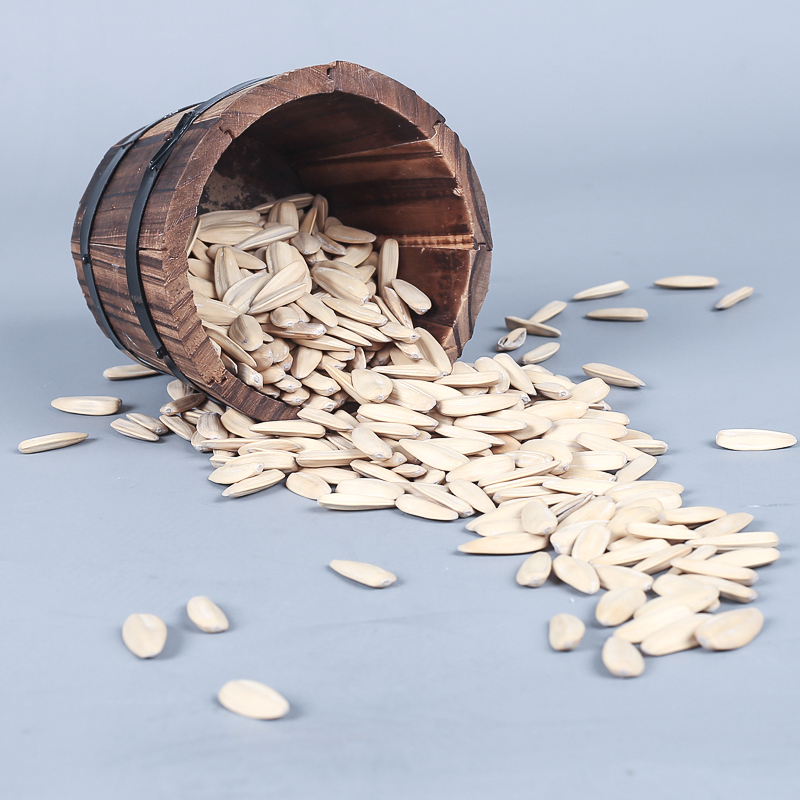
China fried melon seeds represent a significant segment within the processed snack food industry, particularly prominent in Asian markets. These seeds, derived primarily from the Cucurbita maxima (winter melon) variety, undergo a complex series of processing steps – cleaning, shelling, frying, flavoring, and packaging – to achieve a palatable and shelf-stable product. Their technical position within the food chain is as a value-added agricultural product, transitioning from raw agricultural commodity to a finished consumer good. Core performance characteristics encompass flavor profile (ranging from savory to spicy and sweet), textural attributes (crispness and seed coat integrity), oil content, and microbial stability. Addressing current market demands requires a nuanced understanding of lipid oxidation, acrylamide formation during frying, and compliance with stringent food safety regulations regarding permissible flavoring agents and heavy metal content. The industry faces challenges related to raw material sourcing consistency, efficient frying techniques minimizing oil absorption, and packaging that preserves freshness while extending shelf life.
Material Science & Manufacturing
The primary raw material, winter melon seeds, exhibit a complex composition. They are approximately 50-55% lipid, consisting predominantly of linoleic acid (omega-6) and oleic acid (omega-9) fatty acids. Protein content ranges from 20-25%, comprising globulins and albumins. Carbohydrates constitute approximately 10-15%, largely as starch within the seed coat. The seed coat itself is comprised of cellulose, hemicellulose, and lignin, providing structural integrity. Manufacturing begins with thorough cleaning and grading to remove debris and damaged seeds. Shelling is often achieved mechanically, with efficiency impacting breakage rates. The crucial frying stage involves immersion in vegetable oil (typically palm oil, soybean oil, or rapeseed oil) at temperatures between 170-190°C. Key parameters include oil temperature control (deviation leads to under-frying or excessive oil absorption), frying time (influences crispness and acrylamide formation), and oil turnover rate (affects oil quality and flavor development). Flavoring is achieved via a tumbling process where seeds are coated with a blend of salt, monosodium glutamate (MSG), spices, and sometimes sugar. Packaging is paramount; multilayer films (PET/PE or OPP/PE) are utilized to provide a barrier against oxygen, moisture, and light, extending shelf life and preserving flavor. Moisture content is a critical control parameter throughout the process; initial moisture content of the seeds affects frying performance, and final moisture content impacts crispness and microbial stability.
Performance & Engineering
Performance characteristics are heavily influenced by the interplay of material properties and processing parameters. The crispness of the fried seed is directly related to its moisture content (target <1.5% w/w) and the degree of gelatinization of the starch within the seed coat during frying. Force analysis reveals that brittle fracture occurs at a specific stress threshold, dependent on seed size, shape, and internal defects. Environmental resistance concerns center on lipid oxidation, leading to rancidity and off-flavors. Antioxidants (BHA, BHT, or tocopherols) are often added to mitigate this. Packaging plays a crucial role in limiting oxygen exposure. Compliance requirements include adherence to national food safety standards (GB standards in China), limitations on heavy metal content (lead, cadmium, arsenic), and regulations regarding permitted food additives (MSG, artificial flavors, and colors). Functional implementation relies on ensuring uniform frying to achieve consistent crispness and flavor distribution. Heat transfer analysis during frying is critical to optimize energy efficiency and minimize oil absorption. Seed breakage during processing needs to be minimized to maintain product quality and reduce waste. The impact strength of the packaging material is also a key engineering consideration to prevent damage during transport and handling.
Technical Specifications
| Parameter | Unit | Typical Value | Acceptable Range |
|---|---|---|---|
| Moisture Content | % w/w | 1.2 | ≤ 1.5 |
| Oil Content | % w/w | 52 | 48-55 |
| Peroxide Value (Oil) | meq O₂/kg | <2.0 | <5.0 |
| Acrylamide Content | µg/kg | 50 | ≤ 150 (regulatory limit) |
| Salt Content | % w/w | 1.8 | 1.5-2.2 |
| Seed Breakage Rate | % | <3 | ≤ 5 |
Failure Mode & Maintenance
Common failure modes include rancidity due to lipid oxidation, softening of texture due to moisture absorption, and flavor degradation due to volatilization of aroma compounds. Fatigue cracking can occur in the seed coat during processing, leading to breakage. Delamination of the seed coat can occur due to insufficient frying or improper drying. Microbial contamination can occur if hygiene standards are not maintained during processing and packaging. Degradation of the packaging material (loss of barrier properties) can accelerate spoilage. Oxidation of the oil leads to the development of off-flavors and reduced nutritional value. Maintenance solutions involve strict adherence to Good Manufacturing Practices (GMP), regular cleaning and sanitation of equipment, proper storage of raw materials and finished products (cool, dry, and dark conditions), and implementation of a robust quality control system. Antioxidants should be used appropriately to inhibit lipid oxidation. Proper packaging materials should be selected to provide adequate barrier properties. Regular monitoring of moisture content and peroxide value is essential. Preventative maintenance of frying equipment (temperature control, oil filtration) is crucial to optimize performance and minimize defects.
Industry FAQ
Q: What are the critical control points for minimizing acrylamide formation during frying?
A: Critical control points include maintaining optimal frying oil temperature (below 180°C), reducing frying time, minimizing reducing sugar content in the seeds (through variety selection or pre-treatment), and ensuring adequate oil turnover rate to remove reaction byproducts. Adding ascorbic acid (Vitamin C) as an antioxidant can also help mitigate acrylamide formation.
Q: How does the type of frying oil impact the shelf life and flavor profile of the finished product?
A: Oils with higher levels of unsaturated fatty acids (e.g., sunflower oil) are more prone to oxidation, leading to shorter shelf life and rancidity. Palm oil and soybean oil offer better oxidative stability. The oil's flavor profile also influences the finished product; refined oils have a neutral flavor, while unrefined oils contribute distinct characteristics.
Q: What packaging materials are most effective in preventing moisture uptake and maintaining crispness?
A: Multilayer films combining PET (polyethylene terephthalate) for strength and gas barrier properties with PE (polyethylene) for sealability are widely used. OPP (oriented polypropylene) laminated with PE is another common option. The thickness of the film and the inclusion of a moisture barrier layer (e.g., aluminum foil) are crucial considerations. Modified atmosphere packaging (MAP) using nitrogen flushing can further extend shelf life.
Q: What are the regulatory limits for heavy metal contamination in fried melon seeds, and how are these monitored?
A: Regulatory limits for lead, cadmium, and arsenic vary by country. In China, GB standards specify maximum permissible levels. Monitoring is typically performed using Inductively Coupled Plasma Mass Spectrometry (ICP-MS) to accurately quantify heavy metal concentrations in the seeds. Raw material sourcing is critical to ensure compliance.
Q: How can manufacturers effectively control the variability in flavor intensity between production batches?
A: Precise control of flavoring agent addition (using automated dosing systems), consistent ingredient quality, thorough mixing during the tumbling process, and regular sensory evaluation are essential. Batch-to-batch testing for key flavor compounds using gas chromatography-mass spectrometry (GC-MS) can help ensure consistency.
Conclusion
China fried melon seeds, while seemingly a simple snack, represent a complex interplay of material science, chemical engineering, and food processing technology. Achieving optimal product quality, shelf life, and safety necessitates a deep understanding of lipid chemistry, moisture control, and the impact of processing parameters. Maintaining consistency in raw material sourcing, implementing rigorous quality control measures, and adhering to stringent regulatory standards are paramount for success in this competitive market.
Future trends likely include the development of healthier frying oils (e.g., high-oleic sunflower oil), innovative packaging materials with enhanced barrier properties, and the application of advanced process control techniques (e.g., real-time monitoring of frying oil quality) to further optimize production efficiency and product quality. Sustainable sourcing practices and reduced reliance on artificial additives will also become increasingly important considerations.
