Introduction
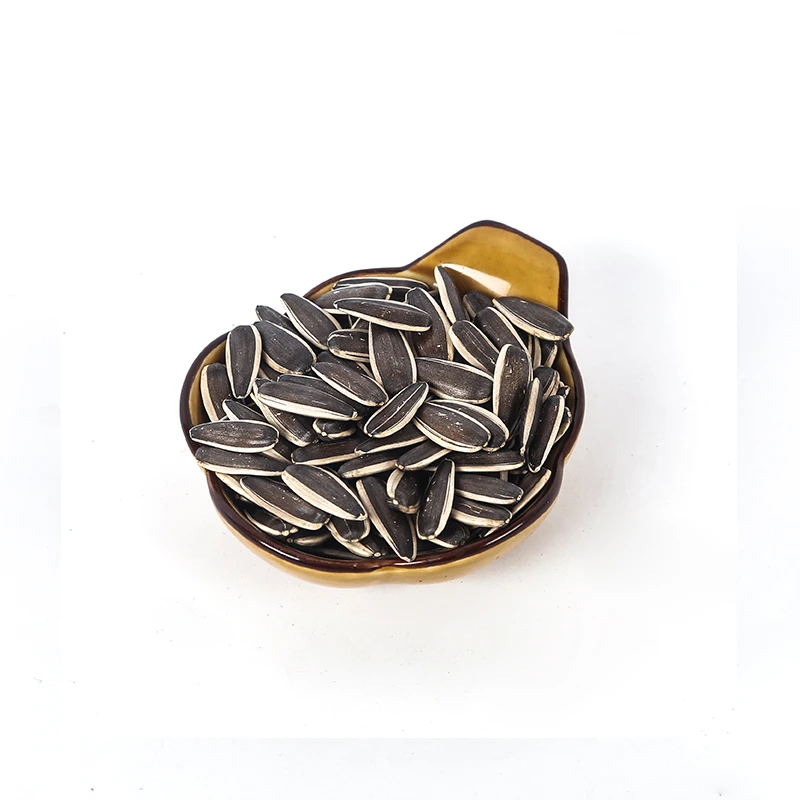
China fresh sunflower seeds ( Helianthus annuus) represent a significant commodity within the agricultural sector, serving as both a direct human food source and a crucial component in oilseed processing. Their technical position within the supply chain begins with agricultural production, encompassing cultivar selection, planting, and harvesting practices. Post-harvest processing includes cleaning, drying, dehulling (in some varieties), grading, and packaging. Core performance characteristics are defined by oil content, protein content, moisture content, kernel size, and the absence of foreign material and mycotoxins. Achieving optimal quality necessitates precise control throughout the entire process, responding to market demands for both in-shell consumption and oil extraction. The industry currently faces challenges related to maintaining consistent quality across varying climates and geographical regions, minimizing aflatoxin contamination, and optimizing processing efficiency to reduce waste.
Material Science & Manufacturing
Sunflower seeds are biologically complex structures. The kernel comprises approximately 40-50% oil, primarily linoleic acid (a polyunsaturated omega-6 fatty acid), with oleic acid content varying significantly based on cultivar. Protein content ranges from 18-25%, consisting of globulins and albumins. The hull (pericarp) is composed of cellulose, hemicellulose, and lignin, providing a protective layer. Moisture content is critical; ideally, it should be maintained between 8-10% to prevent microbial growth and preserve oil quality. Raw material selection focuses on high-yielding cultivars with desirable oil profiles and robust disease resistance.
Manufacturing processes begin with harvesting, typically employing combine harvesters. Post-harvest drying is crucial, typically using forced-air dryers to reduce moisture content and prevent spoilage. Temperature control during drying is paramount to avoid protein denaturation and oil oxidation – temperatures exceeding 60°C can significantly degrade oil quality. Dehulling, employed for oilseed varieties, utilizes mechanical abrasion and air separation. Grading involves size and density sorting, rejecting damaged or immature seeds. Chemical compatibility analysis reveals sensitivity to oxygen, light, and elevated temperatures, necessitating nitrogen flushing during packaging and storage in opaque containers. The formation of peroxides and aldehydes during storage contributes to rancidity, impacting flavor and nutritional value. Key parameter control involves continuous monitoring of moisture content, oil quality (peroxide value, acid value), and the absence of contaminants (aflatoxins, pesticides).

Performance & Engineering
The structural integrity of the sunflower seed, while seemingly simple, influences its processing performance. The hull's tensile strength impacts dehulling efficiency; brittle hulls fracture easily, while excessively strong hulls require more energy input. Kernel density affects sorting efficiency in grading processes, influencing the purity of the final product. Force analysis during shelling (for in-shell consumption) reveals that optimal cracking requires a specific impact force and angle to minimize kernel damage.
Environmental resistance is primarily related to storage stability. Sunflower seeds are susceptible to moisture absorption, leading to fungal growth and aflatoxin contamination. Packaging materials must provide a robust moisture barrier. Temperature fluctuations during storage accelerate degradation. Compliance requirements include adherence to Maximum Residue Levels (MRLs) for pesticides, stringent aflatoxin limits (typically <4 ppb in the EU and US), and regulations regarding genetically modified organisms (GMOs) depending on the target market. Functional implementation differs based on end use; oilseed varieties prioritize oil yield and quality, while confectionary varieties emphasize kernel size, flavor, and hull characteristics. The oil extraction process (typically solvent extraction with hexane) requires engineering controls to prevent solvent residues and ensure worker safety.
Technical Specifications
| Parameter | Unit | Typical Range (Oilseed Variety) | Typical Range (Confectionary Variety) |
|---|---|---|---|
| Oil Content (Dry Weight Basis) | % | 42-58 | 38-45 |
| Protein Content (Dry Weight Basis) | % | 18-25 | 20-28 |
| Moisture Content | % | 8-10 | 8-10 |
| Kernel Size (Diameter) | mm | 6-8 | 8-12 |
| Hull Strength (Cracking Force) | N | 50-100 | 100-150 |
| Aflatoxin B1 (Maximum Level) | ppb | <4 | <4 |
Failure Mode & Maintenance
Sunflower seed failure modes encompass biological degradation, physical damage, and chemical changes. Aflatoxin contamination, caused by Aspergillus flavus fungi, is a primary concern, particularly in warm, humid climates. This is exacerbated by kernel damage during harvesting or processing. Rancidity, due to lipid oxidation, degrades oil quality and results in undesirable flavors. This is accelerated by exposure to oxygen, light, and elevated temperatures. Physical damage, such as kernel cracking, reduces processing efficiency and increases susceptibility to microbial attack. Delamination of the kernel from the hull can occur during dehulling if parameters are not optimized.
Maintenance solutions involve strict adherence to Good Agricultural Practices (GAP) to minimize pre-harvest contamination. Rapid and thorough drying after harvest is crucial. Proper storage in cool, dry, and dark conditions is essential. Regular monitoring of moisture content and aflatoxin levels is recommended. Implementing effective pest control measures prevents insect damage. For processing equipment, routine cleaning and maintenance minimize the risk of mechanical failures and ensure optimal performance. Packaging should utilize moisture-barrier materials and nitrogen flushing to extend shelf life. Preventative measures against oxidation include the addition of natural antioxidants (e.g., tocopherols) and proper storage protocols.
Industry FAQ
Q: What is the primary factor influencing aflatoxin contamination risk in China fresh sunflower seeds?
A: The primary factor is pre-harvest stress, often stemming from drought conditions or insect damage. These stresses compromise the plant's natural defenses, making it more susceptible to Aspergillus flavus infection. Post-harvest handling, specifically drying and storage, significantly impacts aflatoxin development as well; inadequate drying and humid storage environments promote fungal growth.
Q: How do different cultivars affect oil quality and stability?
A: Cultivars with higher oleic acid content (high-oleic sunflower seeds) exhibit superior oxidative stability compared to those rich in linoleic acid. Oleic acid is more resistant to oxidation, resulting in longer shelf life and reduced rancidity. Cultivar selection should align with the intended end-use; high-oleic varieties are preferred for frying oils, while linoleic-rich varieties are suitable for certain nutritional applications.
Q: What is the optimal moisture content for long-term storage of sunflower seeds, and how is it accurately measured?
A: The optimal moisture content for long-term storage is between 8-10%. Above this level, fungal growth and aflatoxin production are significantly increased. Accurate measurement is typically achieved using a grain moisture analyzer, employing either a capacitance or near-infrared (NIR) spectroscopic method. Regular calibration of the analyzer is crucial for reliable results.
Q: What role does dehulling play in sunflower seed processing, and what challenges are associated with it?
A: Dehulling removes the outer hull, resulting in a higher concentration of oil and protein in the kernel. It’s essential for oil extraction efficiency. Challenges include minimizing kernel damage during the process, optimizing dehulling efficiency based on hull strength variations between cultivars, and effectively separating hulls from kernels. Proper calibration of dehulling equipment is critical.
Q: Are there specific packaging materials recommended for maintaining sunflower seed quality during international transport?
A: Packaging materials should provide a robust moisture barrier, protect against light exposure, and minimize oxygen ingress. Multi-layer bags incorporating polyethylene (PE) and aluminum foil are commonly used. Nitrogen flushing before sealing the bags reduces oxygen levels. Palletizing and securing loads properly prevents physical damage during transit. Consideration should be given to temperature control during shipping, particularly for long distances.
Conclusion
China fresh sunflower seeds, as a globally traded commodity, demand rigorous quality control across the entire supply chain. Understanding the intricate interplay between material science, manufacturing processes, and environmental factors is paramount to ensuring product safety, preserving oil quality, and meeting stringent international standards. Optimizing harvesting, drying, and storage techniques are fundamental to minimizing aflatoxin contamination and maximizing shelf life.
Future developments in sunflower seed technology will likely focus on breeding cultivars with enhanced disease resistance, improved oil profiles, and increased hull strength for efficient processing. Advancements in packaging materials and storage technologies will further extend shelf life and reduce post-harvest losses. Continuous monitoring of emerging regulations and consumer preferences is crucial for maintaining market competitiveness.
