Introduction
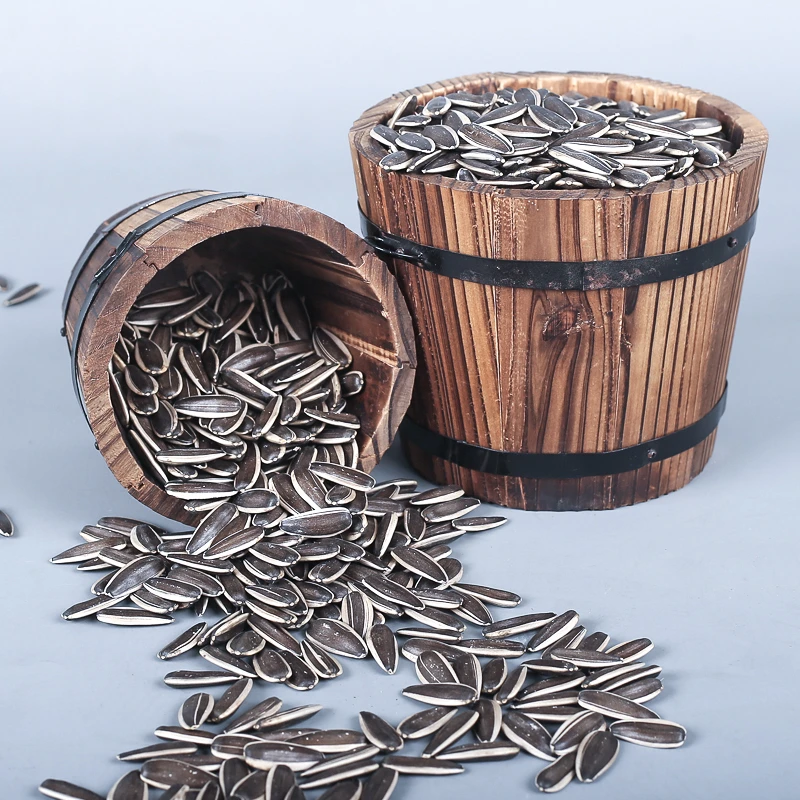
China flavoured sunflower seeds represent a significant segment within the broader snack food industry, particularly in East Asia. These seeds, Helianthus annuus, undergo a complex processing chain involving drying, roasting, flavouring, and packaging. Technically, they function as a high-fat, protein-rich, and carbohydrate-containing convenience food. Their market position is defined by affordability, palatability, and cultural significance, serving as a common accompaniment to social gatherings and leisure activities. Core performance characteristics are defined by kernel size, flavour adherence, shell integrity, and overall sensory appeal. The industry faces increasing scrutiny regarding acrylamide formation during roasting, shell fragment contamination, and the control of flavouring compounds to meet international food safety standards. This guide provides a detailed technical overview of the material science, manufacturing processes, performance parameters, and potential failure modes associated with china flavoured sunflower seeds.
Material Science & Manufacturing
The raw material, sunflower seed, consists primarily of a kernel (cotyledon) containing approximately 50-65% oil, 20-25% protein, and 10-15% carbohydrates. The shell (hull) is composed of cellulose and lignin, contributing to structural integrity. Manufacturing commences with seed selection based on kernel size and oil content. Cleaning removes debris and foreign matter. Drying reduces moisture content to approximately 7-8% to prevent fungal growth and facilitate roasting. Roasting, typically performed at temperatures between 140-180°C, develops the characteristic flavour profile via Maillard reactions and caramelization. This process is critical, as excessive temperatures can lead to acrylamide formation – a known carcinogen. Flavouring is achieved through dry blending with powdered seasonings (salt, spices, flavour enhancers – typically monosodium glutamate (MSG), and sometimes artificial flavourings). Precise control of blending ratios is crucial for consistent flavour profiles. Finally, packaging, commonly utilizing multi-layer films (PET/PE or OPP/PE), protects against moisture ingress, oxygen exposure, and light-induced degradation. Key parameters during manufacturing include roasting temperature and duration, flavour coating adhesion (assessed by shear strength testing), and packaging film barrier properties (oxygen transmission rate – OTR, water vapour transmission rate – WVTR). Seed variety impacts oil composition, influencing flavour stability and shelf life. Contamination with aflatoxins, produced by Aspergillus fungi, is a significant concern necessitating stringent quality control measures.
Performance & Engineering
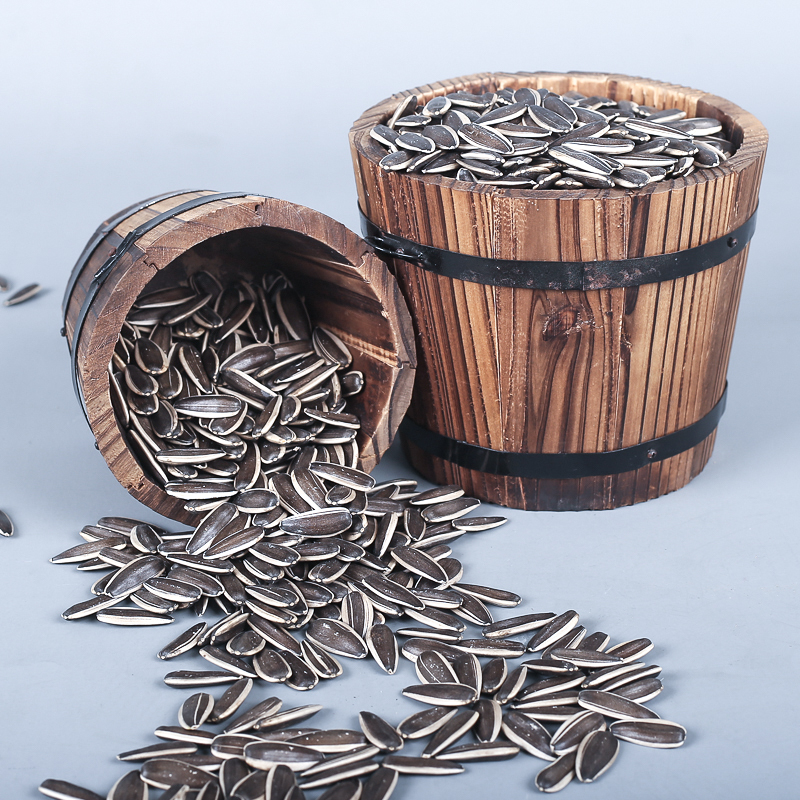
Performance is assessed through several key engineering considerations. Shell fracture resistance, measured using impact testing, dictates the proportion of whole versus broken seeds in a package – a quality indicator. Flavour coating adhesion is vital; poor adhesion leads to flavour loss during handling and consumption. Shear adhesion testing is employed, measuring the force required to separate the coating from the kernel. Moisture content influences texture and shelf life. High moisture content promotes rancidity and microbial growth. Packaging performance is critical for maintaining product quality. OTR and WVTR must be minimized to prevent oxidation of the oil and maintain crispness. Force analysis during packaging operations (filling, sealing) ensures minimal damage to the seeds. Compliance with food safety regulations, including limits on acrylamide, aflatoxins, and heavy metals (lead, cadmium), is paramount. Furthermore, the particle size distribution of flavour coatings influences sensory perception. Finer particles provide more uniform flavour coverage. Considerations of thermal stability during storage are important, as elevated temperatures accelerate lipid oxidation and flavour degradation. Accelerated shelf-life testing, exposing samples to elevated temperatures and humidity, provides predictive data on product stability. The mechanical properties of the seeds themselves – compressive strength and elasticity – are relevant for bulk handling and transportation.
Technical Specifications
| Parameter | Unit | Typical Value | Acceptable Range |
|---|---|---|---|
| Kernel Moisture Content | % | 6.5 | 5.0 – 8.0 |
| Oil Content (Kernel) | % | 55 | 50 – 60 |
| Shell Fracture Rate | % | 5 | < 10 |
| Flavour Coating Adhesion | N/cm² | 2.0 | > 1.5 |
| Oxygen Transmission Rate (OTR) – Packaging | cm³/package/day | < 5 | < 10 |
| Water Vapor Transmission Rate (WVTR) – Packaging | g/m²/day | < 3 | < 5 |
Failure Mode & Maintenance
Failure modes in china flavoured sunflower seeds can be categorized as follows: Rancidity: Caused by lipid oxidation, resulting in off-flavors and odours. Prevented by minimizing oxygen exposure through appropriate packaging and maintaining low storage temperatures. Flavour Degradation: Loss of flavour intensity due to volatilization or chemical reactions. Mitigated by using flavour encapsulants and airtight packaging. Shell Fragmentation: Excessive breakage during processing or handling, reducing aesthetic appeal. Controlled through gentle handling and optimized roasting conditions. Acrylamide Formation: Production of a potentially carcinogenic compound during high-temperature roasting. Minimised by optimizing roasting profiles (temperature and duration) and potentially employing acrylamide-reducing additives. Microbial Contamination: Growth of fungi (e.g., Aspergillus) leading to aflatoxin production. Prevented by thorough cleaning, drying, and maintaining low moisture content. Coating Delamination: Loss of flavour coating adhesion resulting in a visually unappealing product. Controlled through careful selection of coating materials and adhesion promoters. Maintenance involves strict adherence to hygiene protocols throughout the manufacturing process, regular monitoring of moisture content and oil quality, and implementing a robust quality control system to detect and reject defective batches. Proper storage conditions – cool, dry, and dark – are essential for maximizing shelf life and preventing degradation.
Industry FAQ
Q: What are the primary challenges in controlling acrylamide levels during the roasting process?
A: The primary challenge is balancing flavour development with acrylamide formation. Higher roasting temperatures and longer durations lead to more intense flavour, but also increased acrylamide. Careful optimization of the roasting profile, utilizing lower temperatures for longer durations, and potentially adding acrylamide-reducing agents (like asparaginase) are key strategies. Precise monitoring and control of roasting parameters are essential.
Q: How do you ensure consistent flavour adhesion across large production batches?
A: Consistent flavour adhesion requires precise control of several factors: the particle size distribution of the flavouring powder, the surface moisture of the kernels, and the application method (e.g., drum coating). Regularly monitoring the shear adhesion strength of the coating provides objective data on adhesion quality. Automated coating systems with precise dispensing controls are also crucial.
Q: What packaging materials provide the best barrier properties for preventing rancidity?
A: Multi-layer films incorporating a metalized layer (e.g., metallized PET) or a high-barrier polymer (e.g., EVOH) provide the best oxygen barrier properties, minimizing oxidation of the oil. Additionally, the film should have a low WVTR to prevent moisture ingress. Proper sealing is also critical to maintain the integrity of the barrier.
Q: What are the key analytical methods used to assess the quality and safety of sunflower seeds?
A: Key analytical methods include: moisture content determination (Karl Fischer titration), oil content analysis (Soxhlet extraction), aflatoxin analysis (HPLC or ELISA), acrylamide analysis (GC-MS or LC-MS/MS), heavy metal analysis (ICP-MS), and sensory evaluation (taste, aroma, texture).
Q: How does seed variety impact the final product quality and shelf life?
A: Seed variety significantly influences oil composition (oleic vs. linoleic acid content), protein content, and kernel size. High-oleic varieties are more resistant to oxidation, resulting in longer shelf life and reduced rancidity. Kernel size affects texture and perceived fullness. Selecting appropriate varieties based on desired product characteristics is crucial.
Conclusion
China flavoured sunflower seeds represent a complex food product reliant on a sophisticated interplay of material science, precise manufacturing processes, and stringent quality control. Optimizing roasting parameters to balance flavour development and acrylamide formation remains a central technical challenge. Furthermore, maintaining barrier properties within the packaging to prevent oxidation and moisture ingress is critical for ensuring product stability and extending shelf life. The selection of appropriate seed varieties with high oil stability offers a proactive approach to enhancing product quality.
Future advancements will likely focus on innovative flavour encapsulation techniques to improve adhesion and stability, the development of advanced packaging materials with enhanced barrier properties, and the implementation of real-time monitoring systems to control critical process parameters. Continuous research into acrylamide mitigation strategies and the development of more accurate and rapid analytical methods for detecting contaminants will also be essential for maintaining food safety and consumer confidence.
