Introduction
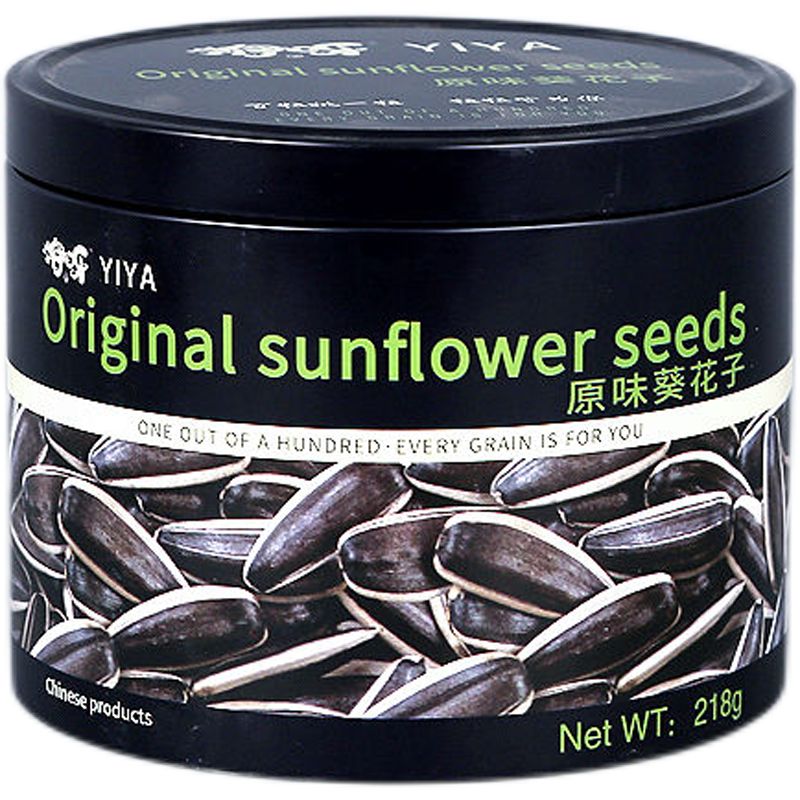
China Five Flavors Sunflower Seeds represent a processed snack food product within the broader agricultural and confectionery industry. Positioned as a ready-to-eat convenience food, these seeds undergo a complex series of treatments to achieve a distinct flavor profile and enhanced palatability. Their technical position in the supply chain begins with sunflower seed cultivation and harvesting, followed by sorting, processing (including roasting, flavoring, and coating), packaging, and distribution. Core performance characteristics revolve around sensory attributes (taste, aroma, texture), nutritional content (oil, protein, fiber), and shelf stability. A key industry pain point is achieving consistent flavor delivery across large production batches, maintaining seed integrity to minimize breakage during processing, and ensuring compliance with food safety regulations regarding permissible additives and contaminants. Furthermore, maintaining a desirable level of crispness and preventing rancidity during extended storage are critical challenges.
Material Science & Manufacturing
The primary raw material, sunflower seeds (Helianthus annuus), consist of a hull (pericarp) providing physical protection, and a kernel containing the edible portion rich in oils, proteins, and carbohydrates. Kernel oil content, typically 42-58% by weight, dictates the seed’s response to roasting and flavor absorption. The hull’s composition is largely cellulose and lignin, impacting its brittleness and removal efficiency. Flavoring agents, constituting a significant component, include salt (NaCl), sugar (sucrose), and a complex blend of spices creating the ‘five flavors’ profile (typically including chili, peppercorn, cumin, and other proprietary ingredients). Manufacturing begins with cleaning and grading seeds to remove debris and damaged kernels. Roasting, typically conducted at 140-180°C, induces Maillard reactions and develops characteristic flavors. This process is critical, requiring precise control of temperature and time to prevent burning or under-roasting. Following roasting, seeds undergo a coating process where flavorings are adhered, often using a binding agent (e.g., maltodextrin, modified starch). Key parameter control focuses on moisture content (maintained below 5% to inhibit microbial growth), oil oxidation levels (monitored via peroxide value), and uniformity of flavoring application. The roasting process initiates lipid oxidation, so packaging must minimize oxygen exposure. Seed size and shape uniformity are also important for consistent roasting and coating.
Performance & Engineering
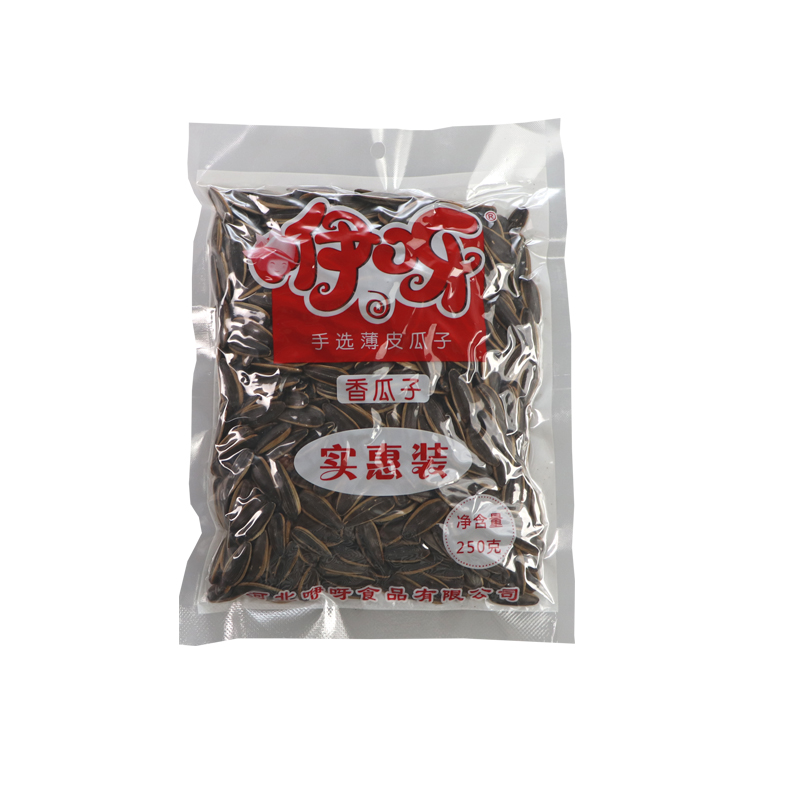
Performance is assessed across several key areas. From a mechanical engineering standpoint, the seed’s shell strength and kernel hardness determine its resistance to breakage during handling and processing. Force analysis during cracking indicates optimal roasting levels – too brittle indicates over-roasting, while insufficient brittleness suggests under-roasting. Environmental resistance pertains to moisture uptake and its effect on shelf life. The hull’s porosity dictates moisture permeability; coatings can enhance barrier properties. Compliance requirements center around food safety standards, including permissible levels of heavy metals (lead, cadmium), aflatoxins, and pesticide residues. Flavor delivery is governed by the diffusion rate of volatile aromatic compounds from the coating into the surrounding air. Maintaining a consistent flavor release profile requires precise control of flavoring agent particle size and coating thickness. The physical stability of the flavoring coating is also crucial; degradation over time results in flavor loss. Packaging materials impact oxygen transmission rate (OTR) and water vapor transmission rate (WVTR), both critical parameters for preventing rancidity and maintaining crispness. A key engineering challenge is optimizing the coating process to minimize coating defects (e.g., uneven coverage, cracking) which can lead to flavor inconsistencies and accelerated oxidation.
Technical Specifications
| Parameter | Unit | Specification | Test Method |
|---|---|---|---|
| Moisture Content | % w/w | ≤ 5.0 | AOAC 925.10 |
| Oil Content | % w/w | 42-58 | SOXTEC Method (ISO 659-1) |
| Peroxide Value (PV) | meq O2/kg | ≤ 10 | AOCS Cd 8-53 |
| Salt Content (NaCl) | % w/w | 1.5-2.5 | Argentometric Titration (AOAC 937.09) |
| Aflatoxin B1 | µg/kg | ≤ 2.0 | HPLC-FLD (EN 16050) |
| Seed Breakage | % w/w | ≤ 3.0 | Sieve Analysis |
Failure Mode & Maintenance
Common failure modes include rancidity (oxidative degradation of oils leading to off-flavors), loss of crispness (due to moisture absorption), flavor degradation (loss of volatile aromatic compounds), and physical damage (seed breakage). Rancidity is accelerated by exposure to oxygen, light, and elevated temperatures. Fatigue cracking of the seed shell can occur during handling and transportation. Delamination of the flavoring coating can result in uneven flavor distribution. Oxidation of the oil is a primary degradation pathway. Maintenance involves proper storage in airtight containers, protected from light and heat. Nitrogen flushing of packaging can minimize oxygen exposure. Monitoring peroxide value periodically can assess the degree of oxidation. Rejecting batches with excessive seed breakage is crucial. Shelf-life studies under accelerated conditions (e.g., elevated temperature and humidity) can predict product stability. Regular inspection for visual defects (e.g., coating cracks, discoloration) is recommended. Quality control throughout the manufacturing process – from seed selection to packaging – minimizes the likelihood of failures.
Industry FAQ
Q: What is the impact of sunflower seed variety on the final product quality?
A: Sunflower seed variety significantly influences oil content, kernel size, and hull characteristics. High-oleic varieties are preferred due to their increased oxidative stability. Kernel size impacts the surface area-to-volume ratio, affecting roasting uniformity and flavor absorption. Hull thickness influences breakage rates during processing. Selecting appropriate varieties tailored to processing parameters is crucial.
Q: How is the ‘five flavors’ blend consistently reproduced across different production runs?
A: Maintaining consistent flavor profiles requires precise control over spice ratios and blending processes. Utilizing pre-mixed spice blends from a reputable supplier with stringent quality control procedures is recommended. Automated weighing and dispensing systems ensure accurate proportions. Regular sensory evaluation by trained panels confirms flavor consistency.
Q: What packaging materials provide optimal barrier properties for extending shelf life?
A: Multi-layer packaging films incorporating a metallized layer (e.g., aluminum foil) and a polyethylene or polypropylene inner layer provide excellent barrier properties against oxygen, moisture, and light. Vacuum packaging or nitrogen flushing further reduces oxygen levels. The film’s thickness and permeability characteristics should be carefully considered based on target shelf life and storage conditions.
Q: What are the critical control points for minimizing aflatoxin contamination?
A: Critical control points include sourcing seeds from reputable suppliers with robust aflatoxin monitoring programs, thorough cleaning and grading of raw materials, proper drying of seeds to reduce moisture content, and adherence to strict hygiene practices throughout the processing facility. Regular testing of finished products for aflatoxin levels is mandatory.
Q: How does roasting temperature affect the formation of acrylamide in sunflower seeds?
A: Acrylamide formation is influenced by roasting temperature and time. Higher temperatures and longer roasting times generally lead to increased acrylamide levels. Optimizing roasting parameters to minimize acrylamide formation while maintaining desired flavor characteristics requires careful process control. The use of reducing sugars in the flavoring blend can also contribute to acrylamide formation.
Conclusion
China Five Flavors Sunflower Seeds present a technically nuanced snack product where consistent quality hinges on a sophisticated interplay of material science, precise process control, and adherence to stringent quality standards. From the initial selection of sunflower seed varieties with optimal oil content and hull properties to the meticulous control of roasting parameters and flavoring application, each stage contributes to the final product’s sensory attributes and shelf life. Addressing key industry pain points – achieving consistent flavor delivery, minimizing seed breakage, and ensuring food safety – requires a holistic approach encompassing raw material sourcing, manufacturing process optimization, and robust quality control measures.
Future advancements may focus on utilizing advanced packaging technologies, such as active packaging incorporating oxygen scavengers or antimicrobial agents, to further enhance product stability. Exploring innovative flavoring systems that provide sustained flavor release and reduced acrylamide formation represents another avenue for research. Implementing real-time process monitoring and control systems utilizing sensors and data analytics can optimize manufacturing efficiency and ensure consistent product quality. Ultimately, maintaining a competitive edge in the snack food market necessitates continuous innovation and a commitment to delivering a safe, flavorful, and consistently high-quality product.
