Introduction
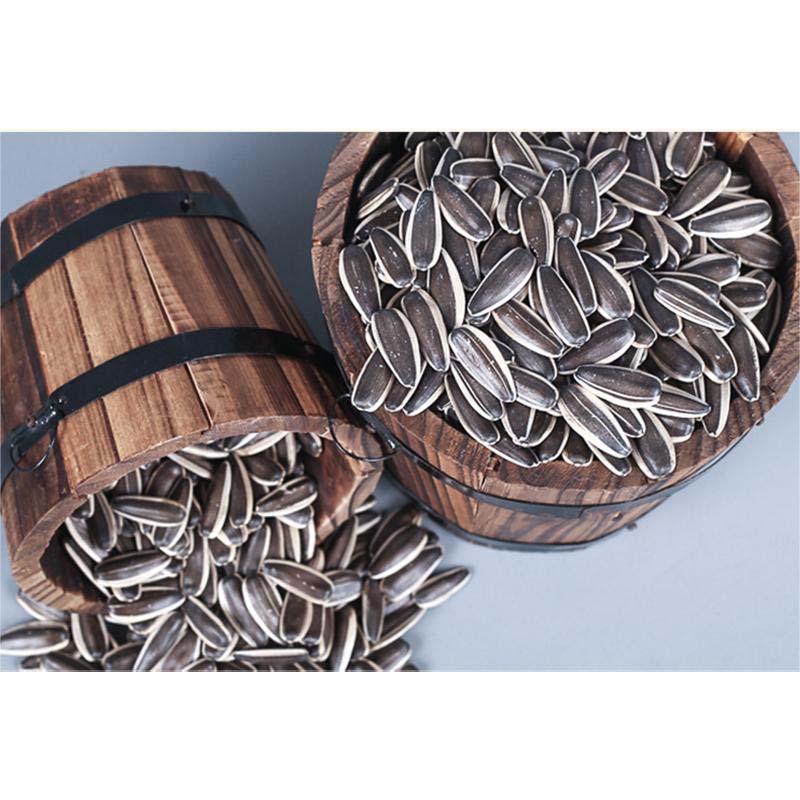
China economic price sunflower seeds represent a significant commodity within the global oilseed market, serving as a primary source of edible oil and protein. Their position in the supply chain originates from agricultural production, progresses through primary processing (dehulling and oil extraction), and culminates in consumer products ranging from cooking oil to snack foods and animal feed. The economic viability of these seeds is largely dictated by factors including yield per hectare, oil content, protein concentration, and freedom from aflatoxin contamination. Core performance characteristics center around oil yield (typically 40-50% by weight), protein content (20-25%), moisture content (ideally below 10% for storage stability), and the presence of key fatty acids – linoleic and oleic – influencing nutritional value and oxidative stability. Understanding these parameters is critical for procurement, processing, and quality control within the food and agricultural industries. A key pain point for industry buyers is consistent quality assurance, particularly regarding mycotoxin levels and adherence to international food safety standards. Supply chain transparency and traceability are also paramount concerns.
Material Science & Manufacturing
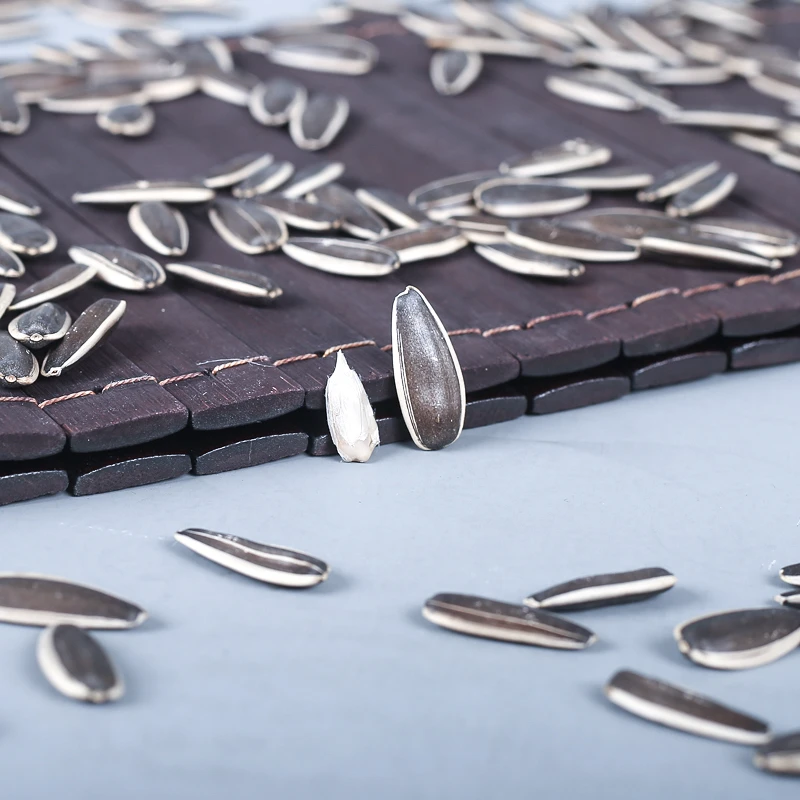
Sunflower seeds ( Helianthus annuus ) consist primarily of a seed coat (pericarp), kernel (cotyledon), and embryo. The pericarp, composed of lignocellulosic material, provides physical protection. The kernel is rich in lipids, primarily triglycerides, along with proteins (globulins and albumins), carbohydrates, and various micronutrients. The oil content is significantly impacted by the genetic variety of the sunflower seed (high-oleic, mid-oleic, linoleic) and growing conditions. Manufacturing begins with harvesting, typically employing combine harvesters. Post-harvest processing includes cleaning (removal of debris), drying (to reduce moisture content and prevent fungal growth), dehulling (separation of the kernel from the pericarp – typically using impact or friction methods), and grading (size and quality sorting). Key parameters during drying include temperature (maintained below 60°C to avoid protein denaturation) and airflow rate. Dehulling efficiency is influenced by impact velocity and surface roughness of the dehulling equipment. Oil extraction methods include mechanical pressing (expelling) and solvent extraction (typically using hexane). Solvent extraction yields higher oil recovery but requires stringent solvent removal procedures to meet food safety standards. Chemical compatibility of the processing equipment with the seed oil and solvents is crucial to prevent corrosion and maintain product purity. Material selection for dehulling and oil extraction components typically involves stainless steel alloys resistant to corrosion from fatty acids and organic solvents.
Performance & Engineering
The performance of sunflower seeds, from a processing and engineering standpoint, is heavily influenced by their physical properties. These include bulk density (affecting storage capacity and conveying systems), angle of repose (determining flowability in processing equipment), and rupture strength (important for dehulling efficiency). Force analysis during dehulling involves quantifying the impact force required to fracture the pericarp without damaging the kernel. Environmental resistance is a critical concern, particularly regarding storage stability. High humidity and temperature promote lipid oxidation, leading to rancidity and reduced oil quality. Aflatoxin contamination, caused by Aspergillus molds, is a significant food safety hazard, requiring strict control of moisture content and storage conditions. Compliance requirements are dictated by international food safety regulations, including limits on aflatoxin levels (typically <4 ppb in the EU and <20 ppb in the US) and pesticide residues. Functional implementation in food processing requires understanding the oil’s oxidative stability (measured by peroxide value and Anisidine value) and its suitability for various applications – frying, baking, or as a salad oil. Engineering designs for oil extraction and refining systems must account for the viscosity and density of the oil at different temperatures and the potential for foaming during processing.
Technical Specifications
| Parameter | Unit | Typical Range (Economic Grade) | Premium Grade |
|---|---|---|---|
| Oil Content (Dry Basis) | % | 40-45 | 48-52 |
| Protein Content (Dry Basis) | % | 18-22 | 23-26 |
| Moisture Content | % | <10 | <8 |
| Kernel Damage (%) | % | <5 | <2 |
| Aflatoxin Level (B1, B2, G1, G2) | ppb | <20 | <4 |
| Foreign Matter (%) | % | <1 | <0.5 |
Failure Mode & Maintenance
Failure modes in sunflower seeds and related products are diverse. During storage, lipid oxidation leads to rancidity, detectable by off-flavors and increased peroxide values. This is accelerated by exposure to oxygen, light, and elevated temperatures. Aflatoxin contamination, as previously mentioned, represents a critical food safety failure. Physical damage to the kernels during harvesting or processing can reduce oil yield and quality. Dehulling equipment is susceptible to fatigue cracking due to repetitive impact loading. Corrosion of oil extraction and refining equipment can occur if incompatible materials are used or if cleaning procedures are inadequate. Maintenance strategies include regular monitoring of seed moisture content and temperature during storage, implementation of robust cleaning protocols to minimize fungal growth, preventative maintenance of dehulling equipment (inspection for cracks and replacement of worn parts), and routine inspection of oil extraction and refining systems for corrosion and leaks. Proper grounding of equipment is essential to prevent electrostatic discharge, which can ignite solvent vapors during solvent extraction. Periodic oil analysis (acid value, peroxide value, iodine value) is crucial for assessing oil quality and identifying potential degradation issues.
Industry FAQ
Q: What are the key differences between high-oleic and linoleic sunflower seeds, and how do these differences affect processing?
A: High-oleic seeds contain predominantly oleic acid (typically >70%), offering superior oxidative stability and a longer shelf life for the resulting oil. This reduces the need for refining steps like bleaching and deodorization, lowering processing costs. Linoleic seeds, rich in linoleic acid, require more extensive refining to prevent rancidity, increasing processing complexity and cost. The different fatty acid profiles also impact the oil’s suitability for specific applications; high-oleic oil is favored for frying due to its stability at high temperatures.
Q: How do you ensure consistent aflatoxin levels in large-scale shipments of sunflower seeds?
A: A comprehensive aflatoxin control program is essential, encompassing pre-harvest assessments of field conditions (monitoring for drought stress, which increases aflatoxin risk), rapid post-harvest drying to reduce moisture content below 10%, rigorous cleaning to remove contaminated kernels, and regular testing using ELISA or HPLC methods. Statistical process control (SPC) should be implemented to monitor aflatoxin levels throughout the process and identify potential deviations. Traceability systems are crucial for identifying the source of any contaminated lots.
Q: What are the common causes of kernel damage during dehulling, and how can these be minimized?
A: Common causes of kernel damage include excessive impact force, improper adjustment of dehulling equipment, and variations in seed moisture content. Minimizing damage requires optimizing the dehulling process parameters – impact velocity, clearance between rollers, and feed rate – based on the specific seed variety and moisture content. Regular inspection and maintenance of dehulling equipment are also crucial to ensure proper functioning and prevent damage.
Q: What is the typical shelf life of properly stored sunflower seeds, and what are the optimal storage conditions?
A: Properly stored sunflower seeds (moisture content <10%, sealed containers, cool and dark environment) can have a shelf life of 12-18 months. Optimal storage conditions involve temperatures below 25°C and relative humidity below 65%. Regular monitoring of moisture content and periodic oil quality analysis are recommended to assess storage stability.
Q: What are the key considerations when selecting materials for oil extraction and refining equipment to ensure chemical compatibility and prevent corrosion?
A: Stainless steel alloys (typically 304 or 316) are the preferred materials due to their excellent resistance to corrosion from fatty acids, solvents (hexane), and cleaning agents. Material selection must also consider the temperature and pressure conditions within the process. Gaskets and seals should be made of materials compatible with the oil and solvents to prevent leakage and contamination. Regular inspection and maintenance are essential to identify and address any signs of corrosion.
Conclusion
China economic price sunflower seeds represent a complex agricultural commodity with stringent requirements for quality control and processing efficiency. Understanding the interplay between material science (seed composition, oil characteristics), manufacturing processes (harvesting, dehulling, extraction), and performance parameters (oil yield, aflatoxin levels) is crucial for successful procurement and utilization. Maintaining consistent quality, minimizing failure modes, and adhering to international standards are paramount concerns for industry stakeholders.
Future trends in sunflower seed processing will likely focus on optimizing oil extraction techniques, developing improved aflatoxin detection and mitigation strategies, and enhancing the sustainability of production practices. Further research into novel dehulling technologies and solvent-free oil extraction methods could also yield significant benefits. Ultimately, the long-term viability of the sunflower seed industry depends on a commitment to innovation, quality, and responsible environmental stewardship.
