Introduction
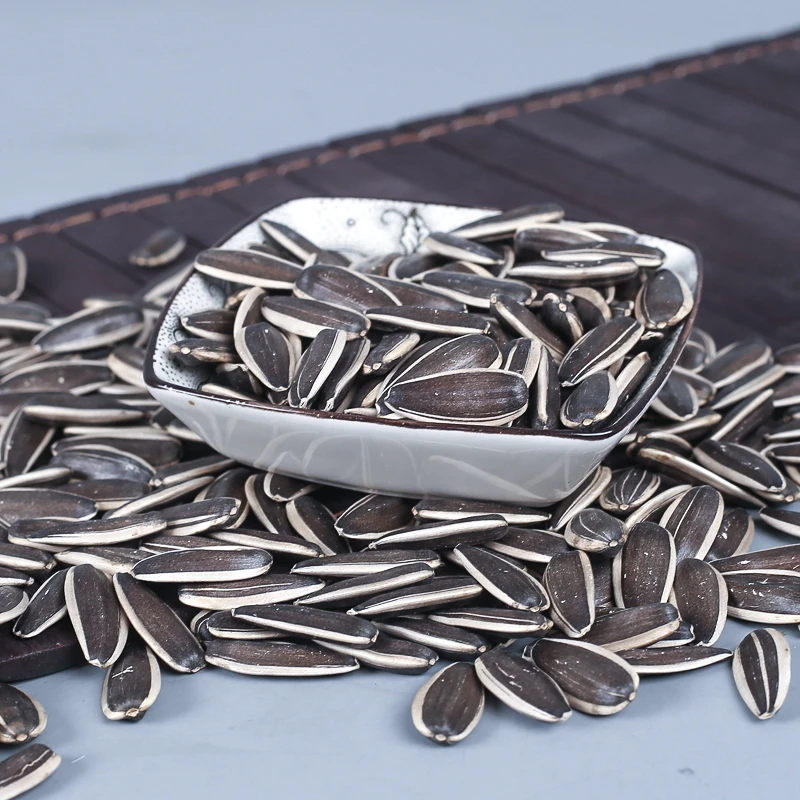
The practice of consuming melon seeds while engaging in social interaction is a deeply ingrained cultural phenomenon in China. This guide focuses on the engineering and material science aspects of the melon seed itself, the associated tools for cracking and extracting the kernel (specifically, dedicated melon seed cracking implements), and the ergonomic considerations surrounding the process. While seemingly simple, the industry around melon seed consumption involves specific cultivar selection, processing techniques impacting shell integrity, and tool design focused on efficient kernel extraction with minimal shell fragmentation. The performance metrics center around kernel yield, shell fracture rate, hand fatigue during prolonged use, and sanitary considerations related to shell disposal. This document will analyze these factors from a technical perspective, detailing material properties, manufacturing processes, potential failure modes, and relevant industry standards. The core pain point for consumers lies in minimizing effort and maximizing the edible kernel portion while preventing shell fragments within the consumed product. For manufacturers, the challenge is ensuring consistent shell characteristics suitable for efficient mechanical cracking and minimizing waste during processing.
Material Science & Manufacturing
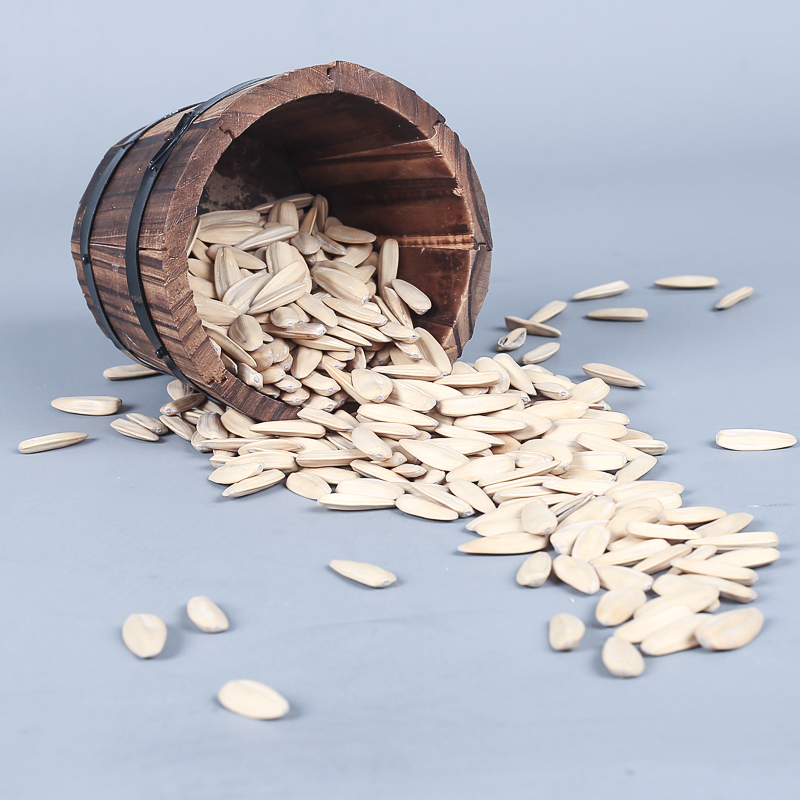
Melon seeds (primarily Cucurbita pepo varieties) possess a complex shell structure composed primarily of cellulose, hemicellulose, and lignin, providing structural rigidity. The shell’s composition varies depending on the cultivar, impacting its resistance to cracking. Moisture content is a critical parameter, influencing shell brittleness; lower moisture content generally results in increased brittleness. Manufacturing begins with seed selection based on size and shape uniformity. Drying processes utilize controlled temperature and humidity to reduce moisture content to optimal levels for shell integrity and shelf life. Pre-processing often involves grading and cleaning to remove debris and broken seeds. The production of dedicated cracking tools commonly utilizes injection molding with polymers such as polypropylene (PP) or high-density polyethylene (HDPE) due to their impact resistance and low cost. Tool design incorporates stress concentrators to facilitate controlled shell fracture. Key parameter control during injection molding includes melt temperature, mold temperature, injection pressure, and cooling rate to ensure dimensional accuracy and prevent warping. Stainless steel is also used for the cracking surfaces where higher durability and hygiene are required. Surface treatments like polishing are employed to reduce friction and prevent bacterial adhesion.
Performance & Engineering
The primary performance metric is the cracking force required to fracture the melon seed shell without excessively damaging the kernel. Finite element analysis (FEA) is used to optimize tool geometry, minimizing stress concentration on the kernel itself. Ergonomic considerations are paramount; the tool handle design must minimize hand fatigue during prolonged use. Force analysis focuses on the leverage ratio between the point of force application and the fulcrum, maximizing cracking efficiency. Environmental resistance is relatively low for both the seeds and tools, primarily concerning moisture absorption which can lead to shell degradation or polymer swelling. Compliance requirements focus on food safety standards, ensuring materials used in contact with the seeds are non-toxic and do not leach harmful substances. The tool’s functional implementation relies on a simple lever system, transferring force to the seed shell to induce tensile stress exceeding its fracture strength. Seed shell thickness, kernel size, and shell curvature all contribute to the force required for successful cracking. The design must account for variation in these parameters within a batch of seeds. Long-term usage also brings considerations of wear and tear on the tool’s cracking surface, potentially diminishing its performance over time.
Technical Specifications
| Melon Seed Shell Thickness (mm) | Melon Seed Kernel Yield (%) | Cracking Tool Material | Cracking Force (N) |
|---|---|---|---|
| 0.25 - 0.35 | 70 - 85 | Polypropylene (PP) | 20 - 40 |
| 0.30 - 0.40 | 65 - 75 | High-Density Polyethylene (HDPE) | 25 - 45 |
| 0.35 - 0.45 | 60 - 70 | Stainless Steel (304) | 30 - 50 |
| 0.20 - 0.30 | 75 - 88 | Polypropylene (PP) – Reinforced | 15 - 30 |
| 0.40 - 0.50 | 55 - 65 | High-Density Polyethylene (HDPE) – Glass Filled | 35 - 55 |
| 0.28 - 0.38 | 68 - 78 | Stainless Steel (410) | 28 - 48 |
Failure Mode & Maintenance
Common failure modes for melon seeds include shell cracking during handling or storage, leading to kernel damage and reduced product quality. Hygroscopic behavior can cause shells to soften and become more susceptible to cracking. For cracking tools, fatigue cracking around the stress concentrators is a frequent issue, especially with prolonged use. Delamination can occur in polymer-based tools if exposed to UV radiation or extreme temperatures. Degradation of the polymer material due to oxidation and chemical attack from oils and residues is also possible. Maintenance for melon seeds focuses on proper storage in a cool, dry environment to minimize moisture absorption. For cracking tools, regular cleaning with mild detergent and water is crucial to remove food residues and prevent bacterial growth. Inspection for cracks or damage around the cracking surface should be performed periodically. If fatigue cracking is observed, the tool should be replaced. Avoid using abrasive cleaners, as they can scratch the cracking surface and reduce its effectiveness. The lifespan of plastic tools is typically much shorter than stainless steel options, necessitating more frequent replacement. Proper tool storage away from direct sunlight and heat sources will also extend its functional life.
Industry FAQ
Q: What is the optimal moisture content for melon seeds during processing to maximize kernel yield?
A: The optimal moisture content range is typically between 8-12%. Lower moisture content increases shell brittleness, leading to higher shell fragmentation and reduced kernel integrity. Higher moisture content results in a softer shell, requiring more force to crack and potentially damaging the kernel during the cracking process. Accurate moisture control is achieved through precise drying techniques and monitoring using calibrated hygrometers.
Q: How does the material of the cracking tool impact the force required to crack the seed?
A: Stainless steel tools generally require a slightly higher cracking force compared to polypropylene or HDPE tools due to their greater rigidity. However, stainless steel offers superior durability and resistance to wear and tear. Polymer tools deform slightly under stress, absorbing some of the impact energy, but are prone to fatigue cracking over time. The geometry of the tool also plays a significant role in force application.
Q: What are the primary considerations for ensuring food safety compliance when manufacturing melon seed cracking tools?
A: The primary consideration is the selection of food-grade materials that do not leach harmful chemicals into the seeds. Materials must comply with regulations such as FDA standards (US) or equivalent regulations in other regions. The manufacturing process must also prevent contamination from lubricants, cleaning agents, or other foreign substances. Regular testing for migration of substances is essential.
Q: How can tool geometry be optimized to minimize kernel damage during cracking?
A: Tool geometry should focus on creating a clean fracture point on the shell without transmitting excessive stress to the kernel. Rounded edges and strategically placed stress concentrators are crucial. FEA simulations can be used to model stress distribution and optimize the tool's shape. The angle of the cracking surface also influences the fracture pattern.
Q: What are the common causes of fatigue failure in plastic melon seed cracking tools?
A: Fatigue failure in plastic tools is primarily caused by repeated stress cycles during cracking. Factors contributing to fatigue include material defects, stress concentrations around the cracking surface, and exposure to UV radiation or extreme temperatures. Using reinforced polymers (e.g., glass-filled PP) can significantly improve fatigue resistance. Proper tool design minimizing stress risers is also critical.
Conclusion
The seemingly simple act of consuming melon seeds involves a surprisingly complex interplay of material science, engineering, and ergonomic considerations. Optimizing the entire process – from seed selection and drying to tool design and usage – requires a thorough understanding of shell mechanics, polymer properties, and food safety standards. Minimizing kernel damage, maximizing yield, and ensuring user comfort are the core challenges driving innovation in this niche industry.
Future developments may focus on biodegradable cracking tools, advanced drying techniques to improve shell quality, and automated cracking systems for large-scale processing. Further research into the structural properties of different melon seed cultivars could lead to tailored tool designs optimized for specific varieties. Ultimately, the continued refinement of these technical aspects will contribute to a more efficient and enjoyable experience for consumers and manufacturers alike.
