Introduction
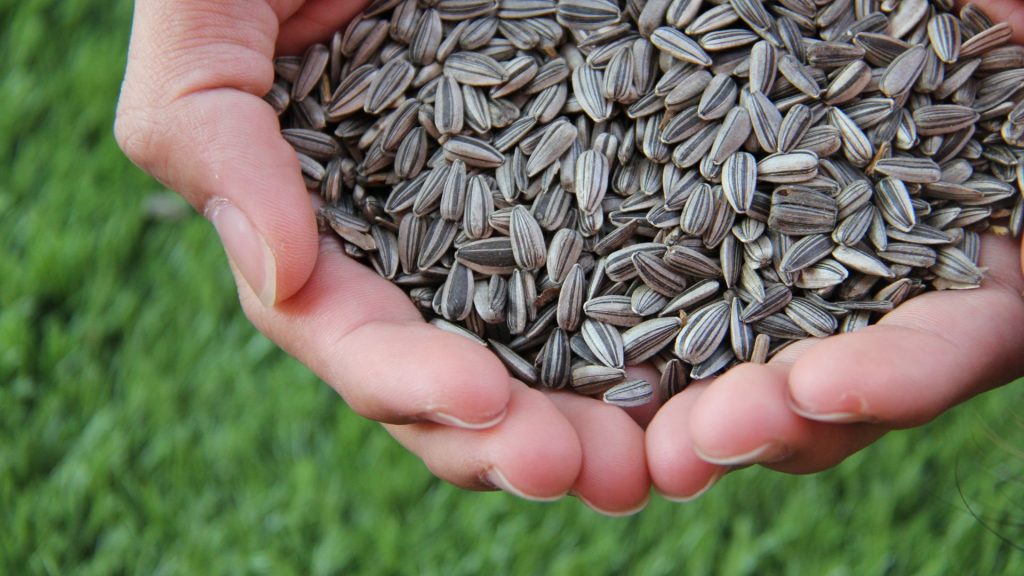
Sunflower seeds ( Helianthus annuus) represent a significant agricultural commodity, particularly within Chinese agricultural output. This technical guide focuses on the carbohydrate composition of sunflower seeds sourced from China, addressing key considerations for food manufacturers, nutritional analysis, and processing applications. Sunflower seeds are not traditionally considered a high-carbohydrate food, however, understanding the specific types and quantities of carbohydrates present is crucial for formulation, glycemic index/load assessment, and compliance with labeling regulations. We will dissect the carbohydrate profile – encompassing soluble sugars, starches, and fiber – within Chinese-sourced sunflower seeds, detailing variations based on cultivar, growing conditions, and post-harvest processing. This analysis will also contextualize these carbohydrate levels within broader quality control and export standards. The rising demand for plant-based protein sources has increased scrutiny on complementary carbohydrate profiles, making this analysis vital for industry stakeholders.
Material Science & Manufacturing
The carbohydrate composition of sunflower seeds is intrinsically linked to their botanical structure and developmental biology. The seed itself comprises a pericarp (hull), kernel, and embryo. Carbohydrates are concentrated primarily within the kernel, specifically in the form of non-starch polysaccharides (NSPs) and smaller quantities of soluble sugars. The primary raw material for analysis is therefore the de-hulled kernel. Manufacturing processes significantly influence the final carbohydrate content. De-hulling, a crucial first step, removes the fibrous pericarp which contains a proportion of insoluble fiber. Subsequent drying processes, typically employing controlled temperature convection ovens, are critical to preserve carbohydrate integrity. Excessive heat can induce Maillard reactions, altering sugar profiles and potentially creating acrylamide. Further processing like roasting, salting, or coating introduces variables; roasting can contribute to starch gelatinization and sugar caramelization, while coatings might add sucrose or other simple carbohydrates. Quality control focuses on moisture content (typically below 10% to inhibit microbial growth and enzymatic activity which degrades carbohydrates) and monitoring for the presence of foreign materials. The impact of regional soil composition in China (varying in mineral content and organic matter) on carbohydrate biosynthesis within the plant is a key area of ongoing research. Cultivar selection also plays a major role; oilseed varieties tend to have differing carbohydrate profiles compared to confectionary varieties.

Performance & Engineering
The engineering performance related to sunflower seed carbohydrates is primarily relevant in food processing applications. The carbohydrate content influences textural properties; higher NSPs contribute to a firmer, chewier texture. Understanding the gelatinization temperature of starches present is vital for extrusion processes or baking applications involving sunflower seed flour. Hydroscopic behavior, governed by sugar content, impacts storage stability and flowability during packaging and handling. Environmental resistance, particularly humidity, impacts carbohydrate degradation over time. Moisture absorption can lead to microbial proliferation and enzymatic breakdown of polysaccharides. Packaging materials with low oxygen transmission rates (OTR) and low water vapor transmission rates (WVTR) are therefore critical for maintaining product quality. Particle size distribution, a product of milling or de-hulling, affects the rate of carbohydrate oxidation and contributes to dusting issues. Compliance requirements, dictated by food safety authorities (such as the FDA, EFSA, and the China National Food Safety Standard), mandate accurate carbohydrate labeling, including total carbohydrate, sugars, and fiber content. Furthermore, potential allergen labeling requirements related to processing aids used during manufacturing must be addressed.
Technical Specifications
| Parameter | Unit | Typical Value (Chinese Sunflower Seeds) | Standard Deviation |
|---|---|---|---|
| Total Carbohydrate | g/100g | 19.8 | ±2.1 |
| Sugars (Total) | g/100g | 1.7 | ±0.3 |
| Glucose | g/100g | 0.4 | ±0.1 |
| Fructose | g/100g | 0.3 | ±0.1 |
| Sucrose | g/100g | 0.5 | ±0.2 |
| Fiber (Total Dietary Fiber) | g/100g | 8.5 | ±1.5 |
| Insoluble Fiber | g/100g | 6.2 | ±1.2 |
| Soluble Fiber | g/100g | 2.3 | ±0.5 |
| Starch | g/100g | 9.3 | ±1.8 |
Failure Mode & Maintenance
Failure modes related to carbohydrates in sunflower seeds primarily manifest as quality degradation during storage and processing. Hydrolytic degradation, driven by residual enzymatic activity or microbial contamination, leads to a decrease in soluble sugar content and an increase in reducing sugars, impacting flavor and potentially creating off-flavors. Maillard reactions, accelerated by elevated temperatures and moisture, cause browning and a loss of nutritional value. Oxidation of carbohydrates, particularly unsaturated fatty acids associated with the carbohydrate matrix, results in rancidity and diminished shelf life. Physical damage during handling (e.g., cracking of seeds) increases surface area exposed to oxygen and moisture, accelerating degradation. Maintenance strategies involve strict adherence to Good Manufacturing Practices (GMPs), including control of temperature and humidity during storage. Packaging should utilize barrier materials to minimize OTR and WVTR. Regular monitoring of moisture content and peroxide value (an indicator of lipid oxidation) is essential. Implementing a First-In, First-Out (FIFO) inventory management system minimizes storage duration. Furthermore, the use of antioxidants (e.g., Vitamin E) in packaging materials can mitigate oxidative degradation of carbohydrates and lipids.
Industry FAQ
Q: What is the typical glycemic index (GI) of Chinese sunflower seeds, and how does carbohydrate composition influence this value?
A: The GI of sunflower seeds is generally considered low to moderate, typically ranging from 30-50. This is influenced by the relatively low overall carbohydrate content, the presence of significant amounts of fiber (which slows down glucose absorption), and the type of sugars present. Higher fiber content tends to lower the GI, while a greater proportion of simple sugars can increase it. Variations in cultivar and processing (e.g., roasting can increase GI slightly) also play a role.
Q: How does the carbohydrate profile of Chinese sunflower seeds compare to other nut and seed varieties commonly used in food formulations?
A: Sunflower seeds generally have a lower total carbohydrate content compared to nuts like cashews or almonds, but similar or higher fiber content compared to macadamia nuts. Compared to pumpkin seeds, sunflower seeds often have a slightly higher starch content. The sugar profile is generally similar across most seeds, being dominated by glucose, fructose, and sucrose, though the proportions vary.
Q: What analytical methods are used to accurately determine the carbohydrate composition of sunflower seeds for regulatory compliance?
A: Regulatory compliance typically requires quantification of total carbohydrate, sugars (via HPLC or enzymatic methods), and dietary fiber (using the AOAC method 985.29). Specifically, enzymatic-gravimetric methods are used for total dietary fiber determination. Gas Chromatography (GC) can also be employed for sugar profiling.
Q: What are the implications of varying carbohydrate levels in sunflower seeds for consumers with diabetes or following low-carb diets?
A: While not a high-carb food, consumers monitoring carbohydrate intake should be aware of the total carbohydrate content. Sunflower seeds can be incorporated into a balanced diet, but portion control is essential. The fiber content can be beneficial in mitigating the glycemic response, but individuals should consult with a healthcare professional for personalized dietary advice.
Q: How do storage conditions affect carbohydrate stability in bulk shipments of Chinese sunflower seeds?
A: Maintaining low temperature (below 25°C) and relative humidity (below 65%) is paramount. Exposure to high temperatures and humidity accelerates carbohydrate degradation, leading to off-flavors and reduced nutritional value. Adequate ventilation within storage containers is also crucial to prevent moisture buildup. Regular monitoring of moisture content and periodic analysis of sugar profiles is recommended.
Conclusion
The carbohydrate profile of Chinese sunflower seeds is a critical determinant of their nutritional value and suitability for various food applications. Understanding the interplay between botanical origin, manufacturing processes, and storage conditions is essential for maintaining product quality and complying with regulatory standards. The relatively low carbohydrate content, combined with a significant fiber contribution, positions sunflower seeds as a valuable ingredient in health-conscious formulations.
Further research into the specific carbohydrate composition of different Chinese sunflower seed cultivars, and the impact of regional growing conditions, will provide valuable insights for optimizing processing techniques and enhancing product quality. Continued monitoring of industry standards and regulations regarding carbohydrate labeling and food safety will be crucial for ensuring ongoing compliance and consumer confidence.
