Introduction
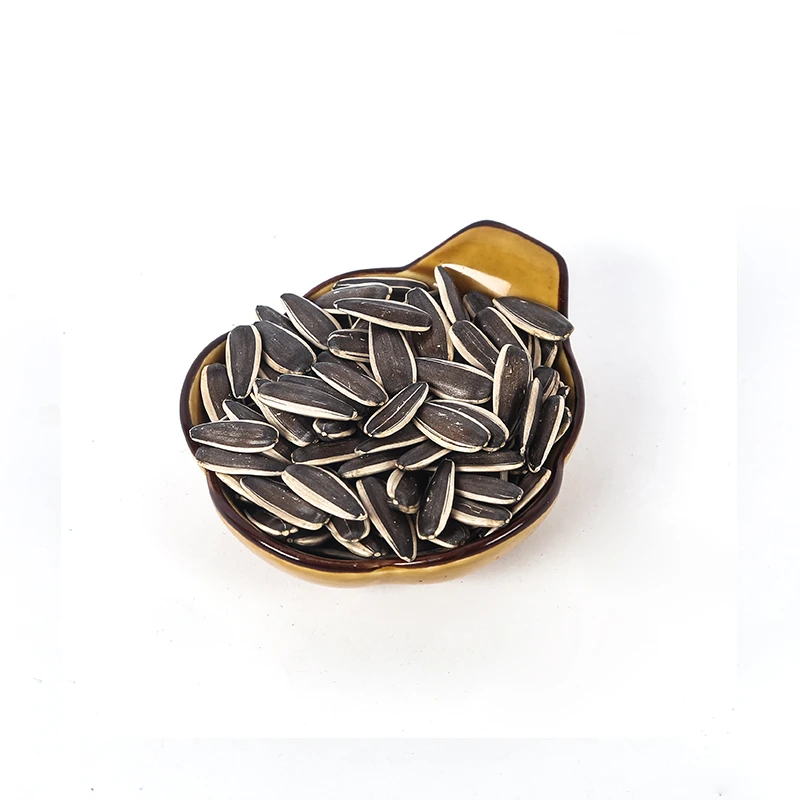
Sunflower seeds (Helianthus annuus) represent a globally significant oilseed crop, with China being a major producer and exporter. Different specifications within the Chinese sunflower seed industry cater to diverse end-use applications, ranging from direct human consumption as a snack food to oil extraction for culinary and industrial purposes, and even bird feed. These specifications are primarily differentiated by kernel size, oil content, protein content, moisture levels, and the presence or absence of hull. This guide provides an in-depth technical overview of these specifications, encompassing the material science of seed composition, manufacturing processes impacting quality, performance characteristics relevant to intended use, common failure modes during storage and transport, and associated international standards. A primary industry pain point revolves around maintaining consistent quality and minimizing aflatoxin contamination, particularly in warmer, humid climates prevalent in certain growing regions of China. Another challenge is optimizing seed processing to maximize oil yield while preserving nutritional value.
Material Science & Manufacturing
Sunflower seeds are composed of several key components: the hull (approximately 20-30% by weight), the kernel (60-70%), and trace amounts of embryo and seed coat. The kernel is rich in lipids (40-55%), primarily linoleic acid (an omega-6 fatty acid) and oleic acid (an omega-9 fatty acid). Protein content ranges from 18-25%, and carbohydrates contribute around 15-20%. The hull provides structural protection but is generally removed before oil extraction or direct consumption. Manufacturing begins with seed selection, followed by cleaning to remove debris and foreign material. Drying is critical, typically utilizing forced-air systems to reduce moisture content to 8-10% to prevent fungal growth and maintain storability. Dehulling is often performed using mechanical methods, impacting kernel integrity and influencing oil extraction efficiency. Grading based on kernel size and quality is a crucial step, typically employing sieves and visual inspection. Oil extraction commonly employs mechanical pressing (expeller pressing) or solvent extraction (using hexane), each with distinct advantages and disadvantages regarding yield and oil quality. Parameter control during drying (temperature, airflow, duration) is paramount to prevent protein denaturation and lipid oxidation. Precise control of dehulling pressure and speed minimizes kernel damage and maintains oil-bearing cell structures.
Performance & Engineering
The performance of sunflower seeds is dictated by their physical and chemical properties, directly impacting suitability for different applications. For snack seeds, kernel hardness (measured by compression testing) is a crucial parameter, influencing mouthfeel and consumer acceptance. Oil content dictates caloric density and flavor profile. For oil extraction, oil yield (percentage of oil extracted from the kernel) is the primary performance metric, influenced by kernel density and cell wall rupture during pressing or solvent penetration. Moisture content profoundly impacts storability; higher moisture promotes fungal growth and aflatoxin production. Environmental resistance is relevant during storage and transport. Seeds are susceptible to oxidative degradation due to exposure to oxygen and light, requiring packaging that minimizes these exposures. Compliance requirements include adherence to food safety regulations regarding pesticide residues, heavy metal content (lead, cadmium, mercury), and maximum permissible levels of aflatoxins. Force analysis during dehulling and pressing operations is crucial for optimizing equipment design and minimizing kernel damage. Specifically, understanding the fracture strength of the hull and kernel allows for precise control of applied pressures.
Technical Specifications
| Specification Category | Parameter | Typical Range (China Grade 1) | Typical Range (China Grade 2) |
|---|---|---|---|
| Kernel Quality | Kernel Size (mm) | 16-20 | 14-18 |
| Kernel Quality | Kernel Integrity (%) | >95% Whole | >85% Whole |
| Oil Content | Oil Content (%) | >50% | >45% |
| Oil Quality | Acid Value (mg KOH/g) | <1.0 | <1.5 |
| Moisture Content | Moisture (%) | <9.0% | <10.0% |
| Contaminants | Aflatoxin (ppb) | <5 ppb | <10 ppb |
Failure Mode & Maintenance
Sunflower seeds are prone to several failure modes during storage and transport. Aflatoxin contamination, caused by Aspergillus molds, is a major concern, particularly in warm, humid environments. This requires strict control of moisture content and implementation of appropriate storage conditions (low temperature, low humidity). Lipid oxidation leads to rancidity, affecting flavor and nutritional value; prevention relies on antioxidant packaging and controlled temperature storage. Physical damage (cracking, chipping) during handling and processing reduces quality and increases susceptibility to insect infestation. Insect infestation can cause significant losses and introduce harmful contaminants. Proper pest control measures are essential. Delamination of the kernel from the hull can occur due to improper dehulling or excessive moisture fluctuations. Maintenance of storage facilities involves regular cleaning, temperature and humidity monitoring, and pest control inspections. Seed lots should be regularly tested for aflatoxin levels and oil quality. Preventative maintenance on processing equipment (dehullers, dryers, presses) is crucial to minimize kernel damage and maintain optimal performance.
Industry FAQ
Q: What is the significance of the acid value in sunflower seed oil, and how does it relate to oil quality?
A: The acid value is a measure of the free fatty acids present in the oil. A higher acid value indicates a greater degree of hydrolysis (breakdown of triglycerides), which can occur due to enzymatic activity or exposure to heat and moisture. This results in a lower quality oil with an undesirable taste and reduced shelf life. Lower acid values are indicative of proper processing and storage conditions.
Q: How do different dehulling methods affect the oil yield and quality?
A: Different dehulling methods (impact, friction, aspiration) impact kernel integrity. Gentler methods, while preserving kernel structure, may result in lower oil yield due to incomplete cell rupture. Aggressive methods can increase yield but also lead to increased levels of oil-bearing cell fragments and potential contamination. Optimizing dehulling parameters is crucial to balance yield and quality.
Q: What are the primary methods for controlling aflatoxin contamination in sunflower seeds?
A: Controlling aflatoxin contamination requires a multi-faceted approach. This includes selecting disease-resistant seed varieties, minimizing mechanical damage during harvest, rapidly drying seeds to reduce moisture content, maintaining proper storage conditions (low temperature and humidity), and implementing effective pest control measures. Regular testing for aflatoxin levels is essential.
Q: How does the linoleic/oleic acid ratio influence the stability and nutritional value of sunflower oil?
A: Sunflower oil with a high linoleic acid content is more prone to oxidation, leading to reduced shelf life. High-oleic sunflower oil, with a higher percentage of oleic acid, is more stable and has a longer shelf life. High-oleic oil is also considered more heart-healthy due to its monounsaturated fat content.
Q: What are the key considerations when selecting packaging materials for sunflower seeds intended for long-term storage?
A: Packaging materials should provide a barrier against oxygen, light, and moisture. Materials like multi-layer films with aluminum foil or metallized layers are commonly used. The packaging should also be food-grade and resistant to tearing or puncturing. Vacuum packaging or modified atmosphere packaging (MAP) can further extend shelf life by reducing oxygen levels.
Conclusion
China’s sunflower seed industry operates across a spectrum of specifications, each with unique demands for material properties and processing control. Maintaining consistent quality, particularly regarding oil content, kernel integrity, and aflatoxin levels, remains a significant challenge. Optimizing manufacturing processes, from drying and dehulling to oil extraction, is crucial for maximizing yield and preserving nutritional value.
Future advancements will likely focus on breeding disease-resistant varieties, developing more efficient and gentle dehulling technologies, and implementing advanced quality control systems utilizing near-infrared spectroscopy for rapid assessment of oil content and aflatoxin levels. Adherence to international standards and proactive risk management will be essential for ensuring the continued competitiveness of the Chinese sunflower seed industry in the global market.
