Introduction
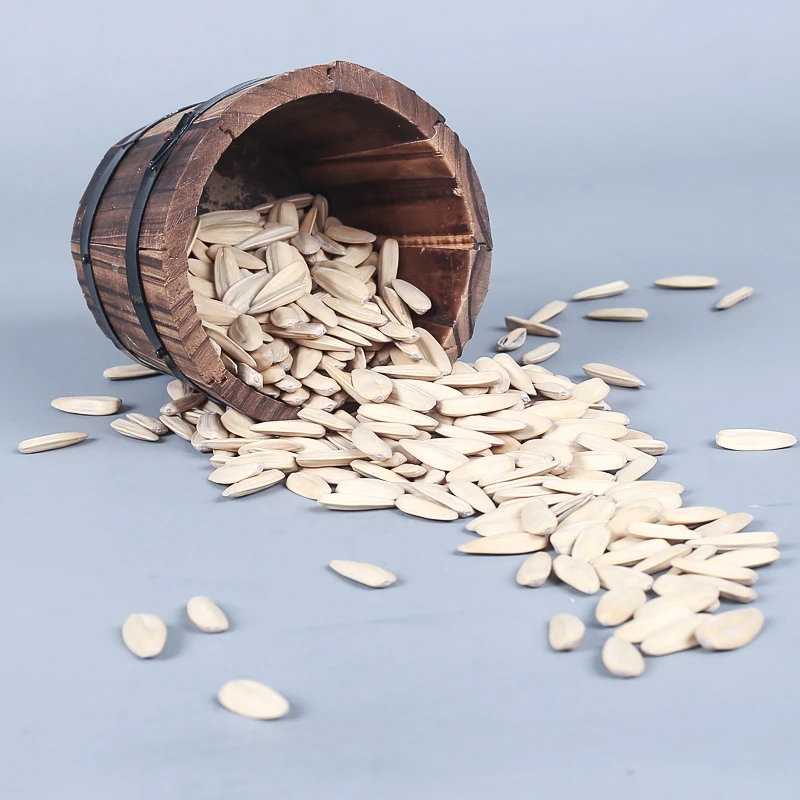
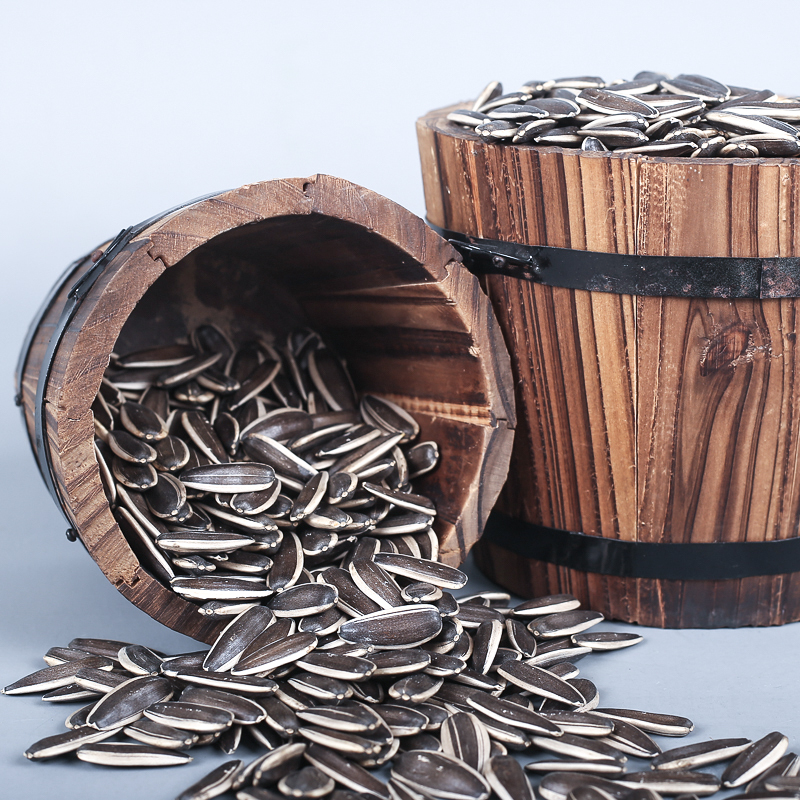
Sunflower seeds (Helianthus annuus) represent a significant agricultural commodity, with China being a major producer and exporter. The categorization by size – often categorized as hulled, in-shell, and varying diameters within those categories – dictates end-use applications ranging from direct consumption snacks to oil extraction and livestock feed. This technical guide focuses on the industrial aspects of different-sized sunflower seeds originating from China, examining their material properties, manufacturing processes, performance characteristics, and potential failure modes. Critical performance parameters include oil content, protein content, moisture content, hull percentage, and the presence of mycotoxins. Understanding these parameters is crucial for buyers involved in food processing, feed production, and oilseed industries, as size correlates with these key quality attributes. The differentiation in size is a fundamental sorting criterion influencing processing efficiency and product yield.
Material Science & Manufacturing
The primary material constituents of sunflower seeds are lipids (35-55%), proteins (18-25%), carbohydrates (15-20%), and fiber (approximately 5%). The seed hull, composed primarily of cellulose and lignin, provides physical protection. The kernel itself contains the oil bodies, protein bodies, and starch granules. Different seed sizes reflect variations in kernel development, influenced by genetics, growing conditions (sunlight, water availability, soil composition), and harvesting practices. Manufacturing begins with field harvesting, followed by cleaning to remove debris and foreign matter. Size separation is crucial and commonly achieved through mechanical sieving and grading. Hulled seeds undergo dehulling, a process employing impact or friction to remove the outer hull. Dehulling efficiency is paramount, and incomplete hull removal significantly impacts product quality. Post-dehulling, seeds are often polished to improve appearance. Critical process parameters include impact velocity during dehulling, sieving aperture size for grading, and polishing duration. Moisture content during these processes is tightly controlled, ideally between 8-10%, to prevent cracking and maintain oil quality. Storage conditions – temperature, humidity, and ventilation – are also rigorously monitored to prevent lipid oxidation and mold growth. Chemical compatibility with processing equipment (typically stainless steel) is crucial to avoid contamination.
Performance & Engineering
The performance of different sunflower seed sizes is fundamentally linked to their physical properties and chemical composition. Larger seeds typically have a higher oil content due to a greater volume for oil accumulation during development. However, larger seeds may also have a thicker hull, requiring more energy for dehulling. Force analysis reveals that cracking strength (the force required to fracture the seed) varies with size and moisture content. Environmental resistance, specifically moisture absorption, is critical. High moisture content promotes mold growth and lipid oxidation, reducing shelf life. Engineering considerations for processing involve optimizing equipment parameters for each seed size. For example, dehulling machinery must be adjusted to accommodate the hull thickness of different seed sizes. Oil extraction efficiency is also size-dependent, as smaller seeds may require pre-treatment (cracking or flaking) to facilitate oil release. Compliance with international food safety standards (e.g., Codex Alimentarius) necessitates stringent control of mycotoxin levels (aflatoxins, ochratoxins) and pesticide residues. These contaminants can accumulate in the seed during growth and storage. The presence of foreign materials (stones, metal fragments) must also be minimized through effective cleaning and metal detection systems.
Technical Specifications
| Seed Size (mm Diameter) | Oil Content (%) | Protein Content (%) | Moisture Content (%) |
|---|---|---|---|
| 6.0 – 7.0 mm (Large) | 50 – 58 | 20 – 24 | 8 – 10 |
| 5.0 – 6.0 mm (Medium) | 48 – 55 | 22 – 26 | 8 – 10 |
| 4.0 – 5.0 mm (Small) | 45 – 52 | 24 – 28 | 8 – 10 |
| Hulled (Any Size) | 55 – 65 | 24 – 30 | 7 – 9 |
| In-Shell (Average) | 40 – 50 | 18 – 22 | 9 – 11 |
| Kernel Density (g/cm³) | 0.95 – 1.05 | - | - |
Failure Mode & Maintenance
Sunflower seeds are susceptible to several failure modes throughout the supply chain. Lipid oxidation, induced by exposure to oxygen, light, and heat, results in rancidity and off-flavors. This is a primary concern during storage. Physical damage, such as cracking and chipping, can occur during handling and processing, reducing yield and quality. Mycotoxin contamination, particularly by Aspergillus species, is a significant food safety hazard. Hulling damage, manifesting as incomplete hull removal or kernel breakage, impacts processing efficiency and product appearance. Insect infestation can lead to significant losses and contamination. Maintenance of optimal storage conditions – low temperature (below 15°C), low humidity (below 65%), and proper ventilation – is crucial to prevent lipid oxidation and mold growth. Regular inspection for insect infestation is essential. Equipment maintenance, including cleaning and lubrication of dehulling and grading machinery, is vital to minimize physical damage. Implementation of Hazard Analysis and Critical Control Points (HACCP) principles is recommended to control mycotoxin risks. Seed treatment with appropriate fungicides (approved for food use) can also mitigate mold growth during storage.
Industry FAQ
Q: What is the typical range of aflatoxin levels considered acceptable in sunflower seeds for export to the European Union?
A: The European Union’s maximum permitted level for total aflatoxins in sunflower seeds is 2.0 parts per billion (ppb). Regular testing using HPLC (High-Performance Liquid Chromatography) is essential to ensure compliance, as exceeding this limit results in rejection of the shipment.
Q: How does seed size affect the efficiency of oil extraction using mechanical pressing?
A: Smaller seeds generally require pre-treatment, such as flaking or grinding, to increase their surface area and improve oil release during mechanical pressing. Larger seeds can be pressed directly, but may require higher pressure and longer pressing times. Optimized gap settings and screw speed are essential for each size.
Q: What are the key indicators of lipid oxidation in stored sunflower seeds?
A: Key indicators include an increase in peroxide value (PV), an increase in free fatty acid (FFA) content, and the development of rancid odors. Regular monitoring of these parameters is crucial to assess seed quality during storage. Gas chromatography can also be used to identify specific oxidation products.
Q: What is the role of hull percentage in determining the economic value of in-shell sunflower seeds?
A: Hull percentage directly impacts the net weight of the product and, therefore, its economic value. A lower hull percentage indicates a higher proportion of kernels, increasing the value. Hull percentage is typically assessed through visual inspection and weight analysis.
Q: What types of packaging materials are recommended for long-term storage of sunflower seeds to minimize moisture absorption and lipid oxidation?
A: Multi-layer packaging materials incorporating a moisture barrier (e.g., polyethylene) and an oxygen barrier (e.g., aluminum foil) are recommended. Vacuum packaging or modified atmosphere packaging (MAP) with nitrogen gas can further reduce oxidation. Packaging should also be opaque to minimize light exposure.
Conclusion
China’s sunflower seed industry demonstrates a complex interplay between agronomic practices, processing technologies, and quality control measures. Different seed sizes represent distinct product streams, each with unique processing requirements and end-use applications. A thorough understanding of the material science – specifically lipid chemistry and hull composition – is essential for optimizing processing efficiency and maintaining product quality. Strict adherence to international standards regarding food safety, particularly mycotoxin levels, is paramount for successful export and market acceptance.
Future advancements in sunflower seed processing will likely focus on improving dehulling efficiency, minimizing lipid oxidation through innovative packaging technologies, and developing more sensitive and rapid methods for mycotoxin detection. Optimizing seed breeding programs to enhance oil content and reduce hull percentage will also contribute to improved economic viability and sustainability within the industry. Continued investment in research and development is crucial for maintaining China's competitive position in the global sunflower seed market.
