Introduction
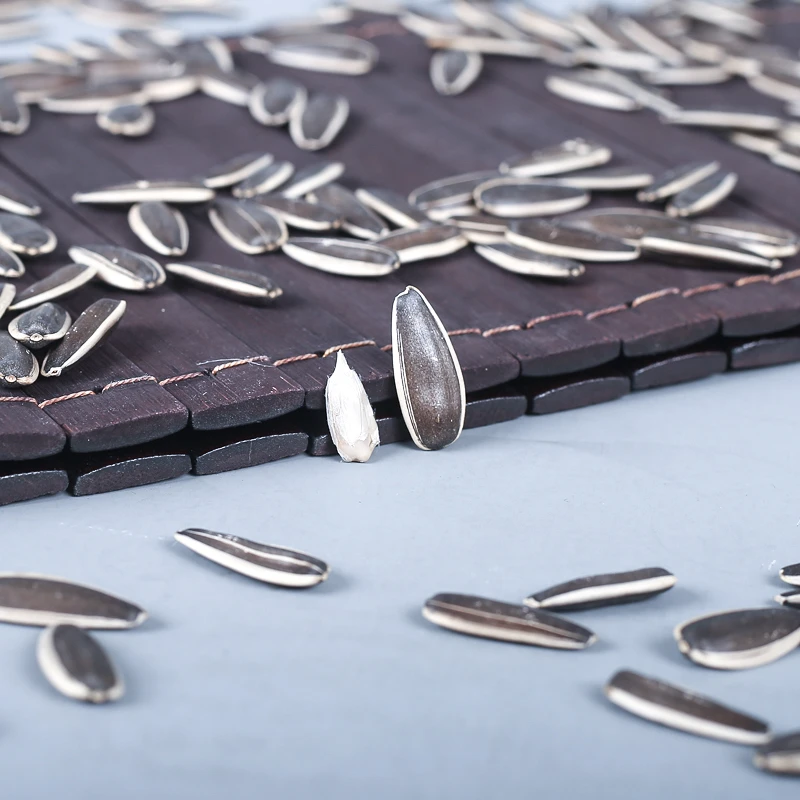
China deshelled sunflower seeds ( Helianthus annuus) represent a significant commodity in the global food and oilseed market. Positioned downstream from agricultural production, these seeds undergo a specialized processing stage – deshelling – to separate the kernel from the protective hull. This process dramatically improves usability for direct consumption, oil extraction, and further manufacturing into ingredients. The quality of China deshelled sunflower seeds is defined by kernel size, oil content, protein content, moisture levels, and freedom from foreign material and mycotoxins. Core performance characteristics center on maintaining these parameters within stringent industry specifications to ensure product suitability for diverse applications, including snack foods, confectionery, animal feed, and biodiesel production. The growing demand is influenced by increasing health consciousness (sunflower seeds are a source of Vitamin E, magnesium, and healthy fats) and the expanding application in animal nutrition due to their high protein content.
Material Science & Manufacturing
The raw material, sunflower seeds, comprises approximately 28-42% kernel, 30-50% hull, and 10-20% residual moisture depending on harvest conditions. The kernel’s primary constituents are lipids (40-50%), proteins (20-25%), carbohydrates (15-20%), and fiber (5-10%). Lipid composition is crucial, largely consisting of linoleic acid (omega-6) and oleic acid (omega-9) with smaller amounts of palmitic and stearic acids. Hull material is predominantly cellulose, hemicellulose, and lignin providing structural support. Deshelling is typically achieved via mechanical processes, utilizing impact, friction, and differential size separation. Modern deshelling lines employ a series of rubber rollers, air separators, and screening devices. Critical parameters include roller gap adjustment (controlling kernel damage), impact velocity (optimizing separation efficiency), and airflow rate (removing hull fragments). Seed moisture content is a key control parameter; optimally, it's maintained between 8-10% to minimize kernel breakage and maximize deshelling yield. Pre-cleaning to remove foreign materials like stems, leaves, and stones is essential to prevent equipment damage and ensure product purity. The metallurgy of the deshelling machinery, specifically the rollers and impact plates, influences durability and minimization of metal contamination; typically, hardened alloy steels are used to withstand abrasive wear. Chemical compatibility considerations involve ensuring lubricants used in the machinery are food-grade and do not leach into the product.
Performance & Engineering
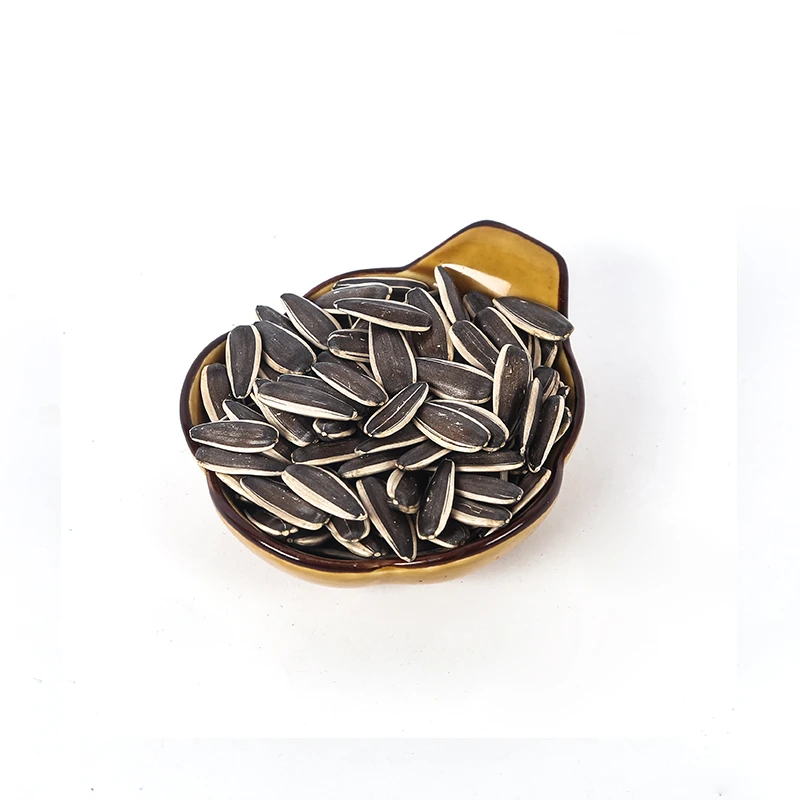
Performance assessment of deshelled sunflower seeds revolves around minimizing kernel damage during processing and maximizing oil yield. Force analysis is applied to the deshelling process, evaluating the compressive and shear forces exerted on the seed to optimize hull removal without fracturing the kernel. Environmental resistance, specifically moisture absorption, is critical for maintaining product quality during storage and transportation. Deshelled seeds are hygroscopic, readily absorbing moisture from the atmosphere, leading to increased microbial growth and lipid oxidation. Packaging materials must provide a robust moisture barrier. Compliance requirements include adherence to food safety standards such as HACCP (Hazard Analysis and Critical Control Points) and compliance with maximum permissible levels of contaminants (heavy metals, pesticides, mycotoxins) defined by regulatory bodies (FDA, EFSA). Functional implementation also includes analyzing the particle size distribution of the deshelled kernels; uniform size is desirable for consistent oil extraction and efficient processing in downstream applications. Furthermore, the impact of deshelling parameters (roller speed, gap settings) on the fatty acid profile of the oil extracted is monitored, as these parameters can influence the degree of lipid oxidation and degradation of essential fatty acids.
Technical Specifications
| Parameter | Unit | Grade A | Grade B |
|---|---|---|---|
| Kernel Content | % by weight | ≥ 98 | 96-98 |
| Moisture Content | % | ≤ 8.0 | ≤ 9.0 |
| Foreign Matter | % by weight | ≤ 0.5 | ≤ 1.0 |
| Damaged Kernels | % by count | ≤ 2.0 | ≤ 5.0 |
| Oil Content (Dry Basis) | % | ≥ 48 | 45-48 |
| Acid Value | mg KOH/g | ≤ 0.5 | ≤ 1.0 |
Failure Mode & Maintenance
Common failure modes for deshelled sunflower seeds include lipid oxidation (rancidity), leading to off-flavors and reduced nutritional value. This is accelerated by exposure to oxygen, light, and elevated temperatures. Another failure mode is microbial contamination, particularly by Aspergillus species, producing mycotoxins (aflatoxins). Physical damage to the kernel during deshelling results in broken pieces, increasing surface area for oxidation and microbial attack. Delamination of the kernel structure, a result of improper drying or excessive impact forces, also contributes to spoilage. Maintenance strategies involve proper storage in cool, dry, and dark conditions, utilizing airtight packaging (e.g., vacuum-sealed bags with oxygen absorbers). Regular monitoring of moisture content and acid value is crucial. Preventative measures include implementing a robust pest control program in storage facilities and ensuring thorough cleaning of deshelling equipment to prevent cross-contamination. Antioxidant coatings can be applied to the kernels to inhibit lipid oxidation, extending shelf life. For equipment maintenance, regular inspection and replacement of worn rollers and screens in the deshelling machinery are essential to maintain optimal performance and minimize kernel damage. Lubrication schedules must be strictly adhered to, using food-grade lubricants only.
Industry FAQ
Q: What is the optimal moisture content for deshelled sunflower seeds prior to long-term storage?
A: The optimal moisture content for long-term storage of deshelled sunflower seeds is between 6-7%. This minimizes microbial growth and slows down lipid oxidation. Levels above 8% significantly increase the risk of spoilage. Accurate moisture measurement using a calibrated moisture analyzer is critical.
Q: How does the deshelling process impact the fatty acid profile of the resulting oil?
A: The deshelling process itself generally does not directly alter the fatty acid profile. However, excessive heat generated during high-impact deshelling can promote lipid oxidation and degradation of unsaturated fatty acids. Careful control of roller speed and gap settings is crucial to minimize heat generation.
Q: What are the key indicators of aflatoxin contamination in deshelled sunflower seeds?
A: Aflatoxin contamination is often undetectable by visual inspection. Testing via ELISA (Enzyme-Linked Immunosorbent Assay) or HPLC (High-Performance Liquid Chromatography) is necessary to quantify aflatoxin levels. Visible mold growth on the seeds or a musty odor can be indicative, but confirmation requires laboratory analysis.
Q: What types of packaging materials are best suited for maintaining the quality of deshelled sunflower seeds during transportation and storage?
A: Packaging materials with excellent moisture and oxygen barrier properties are essential. Multi-layer films incorporating polyethylene (PE), polypropylene (PP), and aluminum foil are commonly used. Vacuum sealing or modified atmosphere packaging (MAP) with nitrogen flushing further enhances preservation. The material must also be food-grade and compliant with relevant regulations.
Q: What are the critical parameters to monitor during the deshelling process to ensure minimal kernel damage?
A: The key parameters to monitor are roller gap adjustment, roller speed, impact velocity, airflow rate, and seed moisture content. Regular inspection of roller surfaces for wear and tear is also important. Maintaining a consistent feed rate of seeds into the deshelling machine is vital for stable performance and minimal damage.
Conclusion
China deshelled sunflower seeds represent a complex product requiring meticulous attention to material science, manufacturing processes, and quality control. The effectiveness of the deshelling process, combined with appropriate storage and packaging, directly influences the final product’s shelf life, nutritional value, and suitability for various applications. Maintaining optimal moisture content, minimizing kernel damage during processing, and ensuring compliance with stringent food safety standards are paramount for producers aiming to meet global market demands.
Future trends in this sector are likely to focus on advanced deshelling technologies that further reduce kernel damage and improve oil yield, as well as the development of sustainable packaging solutions with enhanced barrier properties. Continuous monitoring of fatty acid profiles and mycotoxin levels will remain critical for ensuring product safety and maintaining consumer trust. Adherence to international standards and proactive implementation of preventative maintenance programs are essential for long-term success in the competitive sunflower seed market.
