Introduction
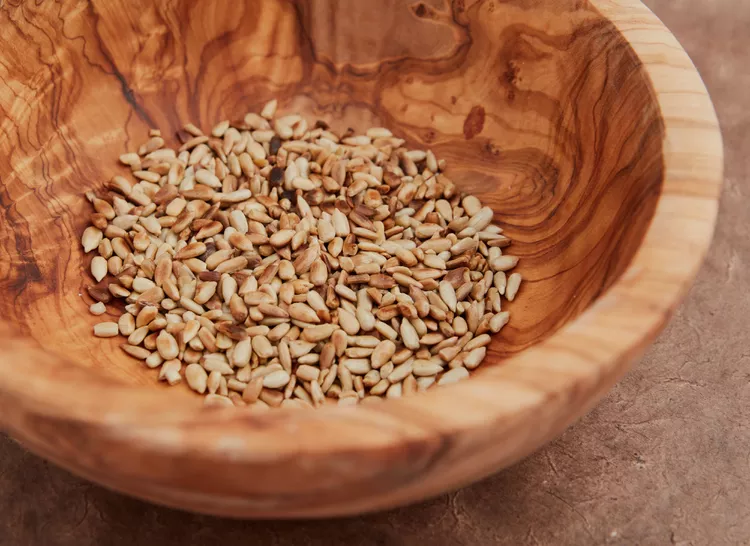
China chrysanthemum flavor sunflower seeds represent a processed snack food product utilizing sunflower seeds as a base substrate and infused with flavoring compounds intended to mimic the aromatic and gustatory profile of chrysanthemum flowers. Technically positioned within the broader category of seasoned seeds and snack foods, their production integrates agricultural commodity processing with flavor chemistry and food technology. Core performance characteristics revolve around sensory attributes (flavor intensity, aroma fidelity, and textural crunch), shelf-life stability (resistance to rancidity and moisture absorption), and adherence to food safety regulations. The product’s market relevance is driven by consumer demand for novel flavor experiences and convenient snack options, particularly within East Asian culinary preferences. This guide will detail the material science, manufacturing processes, performance parameters, potential failure modes, and relevant standards pertaining to the production and quality control of this specific food product.
Material Science & Manufacturing
The primary raw material, sunflower seeds (Helianthus annuus), comprises a complex biological matrix. The seed kernel consists of approximately 50-60% oil (primarily linoleic acid, an omega-6 fatty acid), 20-25% protein, 15-20% carbohydrates, and minor components including vitamins, minerals, and phenolic compounds. The seed hull, a lignocellulosic material, provides a physical barrier but is typically removed during processing. Flavoring compounds are derived from chrysanthemum (typically Chrysanthemum morifolium) extracts, which contain volatile organic compounds (VOCs) such as linalool, geraniol, and borneol. These VOCs contribute to the characteristic floral aroma. Manufacturing involves several key stages: seed selection (based on kernel size, oil content, and freedom from defects), hulling, cleaning, roasting (typically between 120-150°C to develop flavor and reduce moisture), flavoring application (through spraying or tumbling with a concentrated flavor solution), and packaging. Precise control of roasting temperature and time is critical to prevent excessive oil oxidation and maintain optimal seed crunch. Flavor application requires uniform distribution without causing excessive adhesion or clumping. The flavoring solution itself consists of chrysanthemum extract, carriers (such as maltodextrin or gum arabic), and preservatives (such as potassium sorbate or sodium benzoate) to enhance stability and extend shelf life. The choice of carrier influences flavor release characteristics; maltodextrin provides immediate impact, while gum arabic offers sustained release. Atmospheric control during packaging (nitrogen flushing) minimizes oxidative degradation.

Performance & Engineering
Performance is multi-faceted. Sensory evaluation (using trained panels) assesses flavor intensity, aroma profile, textural attributes (crunchiness, hardness), and overall acceptability. Instrumental texture analysis (using a texture analyzer) quantifies textural parameters such as breaking force, fracturability, and springiness. Shelf-life studies, conducted under accelerated aging conditions (elevated temperature and humidity), determine the rate of flavor loss, oil rancidity (measured by peroxide value and anisidine value), and moisture absorption. Force analysis during processing (e.g., hulling and roasting) optimizes equipment settings to minimize seed breakage and maximize throughput. Environmental resistance primarily concerns moisture barrier properties of the packaging material. High moisture content promotes microbial growth and accelerates rancidity. Compliance requirements include adherence to food safety standards (HACCP, GMP), labeling regulations (ingredient listing, nutritional information, allergen declaration), and permissible levels of contaminants (heavy metals, pesticides, mycotoxins). Furthermore, specific regulations concerning food additives (preservatives, flavorings) must be met. The product's packaging must withstand handling and transportation stresses, providing adequate protection against physical damage and environmental factors. Moisture Vapor Transmission Rate (MVTR) of the packaging film is a critical parameter.
Technical Specifications
| Parameter | Units | Typical Value | Acceptable Range |
|---|---|---|---|
| Moisture Content | % (w/w) | 6.0 | 5.0 – 8.0 |
| Oil Content | % (w/w) | 52.0 | 50.0 – 55.0 |
| Peroxide Value (PV) | meq O₂/kg | 2.0 | < 5.0 (after 6 months storage) |
| Chrysanthemum Flavor Intensity | Sensory Score (1-5) | 4.0 | 3.5 – 5.0 |
| Breaking Force (Texture) | N | 35 | 30 – 40 |
| Water Vapor Transmission Rate (WVTR) | g/m²/24h | < 5 | <8 (Packaging Film) |
Failure Mode & Maintenance
Failure modes encompass both quality defects and safety concerns. Rancidity, caused by lipid oxidation, is a primary degradation pathway, resulting in off-flavors and reduced nutritional value. This is accelerated by exposure to oxygen, light, and elevated temperatures. Flavor fading occurs due to volatilization of aroma compounds, particularly during prolonged storage. Seed cracking or breakage during processing or handling reduces aesthetic appeal and may indicate insufficient hulling or excessive roasting. Moisture absorption leads to textural softening, microbial growth (mold or bacteria), and increased susceptibility to rancidity. Packaging defects (e.g., seal failures) compromise barrier properties and accelerate degradation. Maintenance involves strict quality control measures throughout the entire production process. Raw material sourcing must ensure high-quality sunflower seeds free from contaminants. Proper storage of raw materials and finished products (cool, dry, dark) is essential. Regular monitoring of process parameters (roasting temperature, flavoring application rate, packaging integrity) is crucial. Implementing a robust sanitation program prevents microbial contamination. Regular shelf-life studies identify potential degradation pathways and optimize packaging and storage conditions. Furthermore, adherence to HACCP principles ensures proactive hazard identification and control.
Industry FAQ
Q: What is the optimal roasting profile to maximize flavor development while minimizing oil oxidation?
A: The optimal roasting profile is a function of seed variety, initial moisture content, and desired flavor characteristics. Generally, a two-stage roasting process is preferred: an initial slow ramp-up to around 100°C to drive off moisture, followed by a higher-temperature (130-150°C) rapid roast to develop Maillard reaction products and volatile aroma compounds. Careful monitoring of seed temperature is critical to prevent exceeding the oil’s smoke point. Antioxidant addition during or after roasting can help mitigate oil oxidation.
Q: How do you ensure uniform flavor distribution during the flavoring application process?
A: Uniform flavor distribution requires precise control of spray nozzle parameters (spray rate, droplet size, nozzle angle) and efficient tumbling or mixing. The flavoring solution viscosity must be optimized for effective atomization. A calibrated spray system with regular maintenance is vital. Monitoring flavor concentration on individual seeds post-application helps verify uniformity.
Q: What are the key considerations when selecting a packaging material for extended shelf life?
A: Key considerations include moisture barrier properties (low MVTR), oxygen barrier properties, light protection, and mechanical strength. Multi-layer films incorporating aluminum foil or metallized polyester provide excellent barrier protection. The packaging material must also be compatible with the flavoring compounds to prevent leaching or degradation. Heat-sealing integrity is critical to maintain a hermetic seal.
Q: What analytical methods are used to assess the quality and stability of the finished product?
A: Key analytical methods include moisture content determination (Karl Fischer titration), oil content analysis (solvent extraction), peroxide value and anisidine value (to assess rancidity), texture analysis (texture analyzer), sensory evaluation (trained panel), and microbial analysis (plate counts). Gas chromatography-mass spectrometry (GC-MS) can be used to quantify volatile aroma compounds and detect flavor degradation products.
Q: What regulatory requirements apply to the use of chrysanthemum extract as a flavoring ingredient?
A: Regulatory requirements vary by region. Generally, chrysanthemum extract must be sourced from approved suppliers and meet purity standards. The concentration of chrysanthemum extract used must be within permissible limits established by food safety authorities. Allergen labeling requirements may apply if chrysanthemum is considered a potential allergen in certain populations. Documentation of the extract's source, composition, and safety data is essential.
Conclusion
China chrysanthemum flavor sunflower seeds, while seemingly simple, involve a sophisticated interplay of material science, processing technology, and quality control measures. Maintaining the desired sensory profile and extending shelf life necessitate precise control over each stage of production, from raw material selection to packaging. Understanding the chemical and physical properties of sunflower seeds and chrysanthemum extracts, coupled with rigorous analytical testing, is crucial for ensuring a consistent, high-quality product that meets consumer expectations and regulatory requirements.
Future development efforts should focus on optimizing flavor encapsulation techniques to enhance flavor retention and reduce flavor fading. Exploring natural antioxidant alternatives to synthetic preservatives could also enhance product appeal. Continuous monitoring of emerging food safety regulations and consumer preferences will be vital for sustaining market competitiveness in this evolving snack food sector.
