Introduction
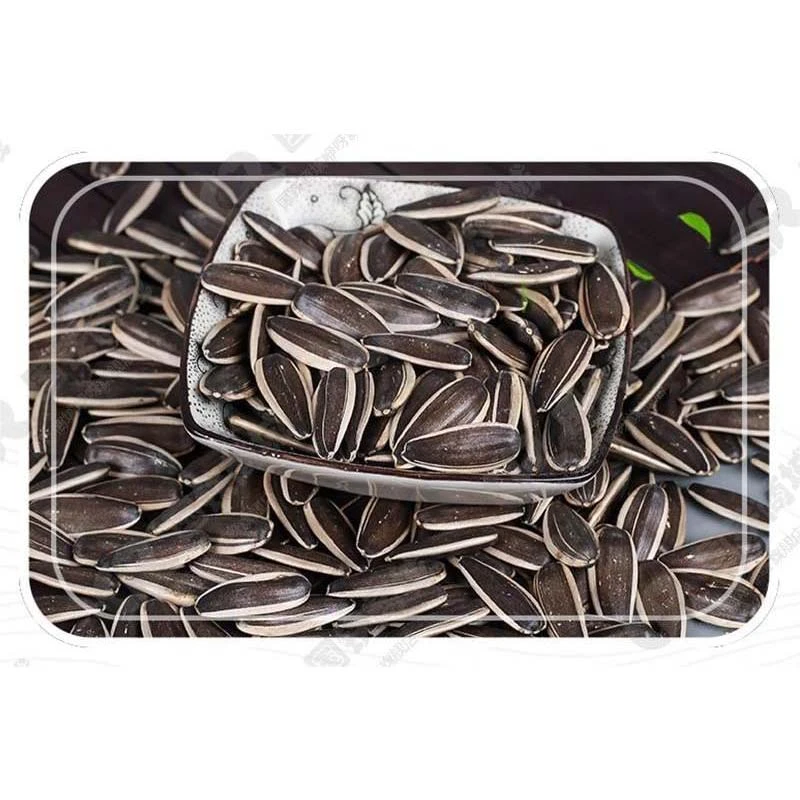
Sunflower seeds ( Helianthus annuus ) represent a significant agricultural commodity, particularly from China, which is a leading global producer. This technical guide focuses on the characteristics and quality control parameters of commercially available Chinese sunflower seeds destined for food processing, snack production, and oil extraction. Understanding the nuances of seed composition, processing techniques, and potential degradation pathways is crucial for procurement managers, food scientists, and quality control personnel. Sunflower seeds are positioned within the agricultural supply chain as a primary source of edible oil, protein, and essential fatty acids. Core performance characteristics include oil yield, protein content, kernel size, and the absence of mycotoxins. This guide will comprehensively address these factors, providing a technical foundation for informed decision-making.
Material Science & Manufacturing
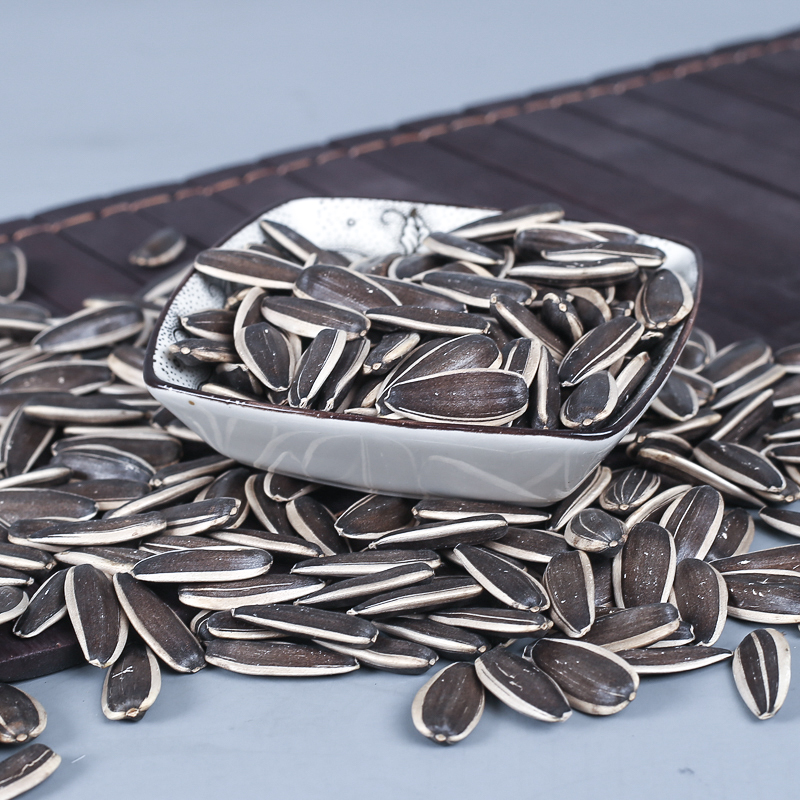
The raw material, the sunflower seed, is composed of a shell (hull) – approximately 20-30% of the seed weight – and the kernel, which contains the majority of the oil and protein. The shell’s primary constituent is cellulose, providing structural integrity. The kernel is rich in lipids (40-55%), primarily linoleic acid (an omega-6 fatty acid), oleic acid (an omega-9 fatty acid), and palmitic acid. Protein content ranges from 18-25%, composed of various globulins and albumins. Manufacturing begins with field harvesting, typically employing combine harvesters. Key parameters during harvest include moisture content (ideally 9-12%) to prevent fungal growth and minimize seed damage. Post-harvest processing involves cleaning (removing debris, stems, and leaves), drying to further reduce moisture content (typically to 7-8%), dehulling (removing the shell – utilizing friction or impact methods), and grading based on size and quality. Dehulling efficiency is critical, impacting both yield and subsequent processing costs. Seed drying parameters (temperature and airflow) are meticulously controlled to prevent protein denaturation and lipid oxidation. Chinese sunflower seed varieties are often categorized by kernel size (large, medium, small) and oil content, influencing their suitability for specific applications. Contamination with other seeds or foreign matter is a primary concern, necessitating rigorous cleaning procedures.
Performance & Engineering
The performance of sunflower seeds is fundamentally linked to their physical and chemical properties. Force analysis during dehulling assesses shell strength and resistance to fracture – variations in shell thickness directly impact dehulling efficiency and kernel damage. Environmental resistance is a significant factor; exposure to humidity can promote fungal growth (primarily Aspergillus species) leading to aflatoxin contamination. Seeds must be stored under controlled temperature (below 15°C) and humidity (below 65%) to minimize this risk. Compliance requirements are governed by national and international food safety regulations (discussed in the Standards & Regulations section). Engineering considerations in processing include optimizing dehulling equipment to minimize kernel breakage and ensuring efficient oil extraction methods (mechanical pressing or solvent extraction). The oil extraction process involves significant heat and pressure, potentially leading to lipid oxidation and the formation of undesirable flavor compounds. Therefore, antioxidant addition and process control are crucial. Kernel hardness, measured via compression testing, impacts the efficiency of oil extraction and the texture of the final product. Furthermore, the seed's moisture content affects its milling characteristics and storage stability. The tensile strength of the seed coat impacts its resistance to cracking during handling and transportation.
Technical Specifications
| Parameter | Unit | Typical Range (Chinese Sunflower Seeds) | Testing Method |
|---|---|---|---|
| Oil Content (Dry Basis) | % | 42-58 | Soxhlet Extraction (GB/T 5009.3) |
| Protein Content (Dry Basis) | % | 18-26 | Kjeldahl Method (GB/T 5009.5) |
| Moisture Content | % | 6.0-8.5 | Oven Drying (GB/T 5009.4) |
| Kernel Size (Diameter) | mm | 10-16 (dependent on variety) | Sieve Analysis (GB/T 5009.10) |
| Aflatoxin B1 | µg/kg | < 2.0 | HPLC (GB 50008.22) |
| Acid Value | mg KOH/g | < 1.0 | Titration (GB/T 5009.8) |
Failure Mode & Maintenance
Sunflower seeds are susceptible to several failure modes during storage and processing. A primary failure mode is lipid oxidation, leading to rancidity and off-flavors. This is accelerated by exposure to oxygen, light, and high temperatures. Preventive maintenance includes storing seeds in airtight containers, under nitrogen atmosphere, and in cool, dark conditions. Another critical failure mode is fungal contamination, particularly by Aspergillus species, resulting in aflatoxin production. This necessitates rigorous quality control during harvesting, drying, and storage, including regular testing for aflatoxins. Physical damage to the kernel during dehulling or handling can lead to increased susceptibility to oxidation and microbial growth. Maintenance of dehulling equipment, ensuring proper calibration and minimizing impact force, is crucial. Shell fragments remaining in the kernel can impact the efficiency of oil extraction and the quality of the final product. Delamination of the kernel due to improper drying or storage conditions can also affect oil yield. Preventative maintenance includes consistent monitoring of storage conditions and prompt removal of any damaged or contaminated seeds. Proper cleaning and sanitation of processing equipment are vital to minimize microbial contamination and prevent cross-contamination.
Industry FAQ
Q: What is the acceptable range for moisture content in sunflower seeds intended for long-term storage?
A: For long-term storage (exceeding 6 months), the recommended moisture content is below 7%, ideally between 6.0% and 6.5%. Higher moisture levels significantly increase the risk of fungal growth and aflatoxin contamination. Regular monitoring and control of moisture content are essential to maintain seed quality.
Q: How does the oil content of sunflower seeds impact their suitability for different applications?
A: Higher oil content (above 50%) generally makes seeds more suitable for oil extraction. Lower oil content seeds (42-48%) are often preferred for snack production, as they provide a more substantial kernel. The fatty acid profile also plays a role; high-oleic sunflower seeds are preferred for applications requiring high oxidative stability.
Q: What are the key indicators of sunflower seed quality upon arrival at a processing facility?
A: Key indicators include visual inspection for foreign matter and damaged seeds, moisture content assessment, oil content analysis, and aflatoxin testing. A representative sample should be taken from each lot and analyzed to ensure compliance with quality standards.
Q: What preventative measures can be taken to minimize aflatoxin contamination in sunflower seeds?
A: Preventative measures include proper harvesting practices to avoid seed damage, rapid and thorough drying to reduce moisture content, storage in airtight containers under cool and dry conditions, and regular monitoring for aflatoxins using sensitive analytical methods like HPLC. Utilizing resistant varieties can also reduce susceptibility.
Q: What is the significance of the acid value in assessing sunflower seed quality?
A: The acid value indicates the level of free fatty acids in the oil, which is a measure of lipid hydrolysis and oxidation. A high acid value suggests that the oil has undergone degradation, potentially leading to rancidity and reduced quality. A low acid value (<1.0 mg KOH/g) is desirable.
Conclusion
Chinese sunflower seeds are a vital agricultural product with significant economic importance. Maintaining consistent quality requires meticulous attention to detail throughout the entire supply chain, from harvesting and drying to storage and processing. Understanding the interplay between seed composition, processing parameters, and potential degradation pathways is crucial for optimizing yield, ensuring food safety, and meeting stringent quality standards.
Future research should focus on developing sunflower varieties with improved resistance to fungal contamination, enhanced oil content, and optimized fatty acid profiles. Implementing advanced monitoring technologies and predictive modeling can further enhance quality control and minimize losses due to spoilage. Collaboration between farmers, processors, and researchers is essential to drive innovation and ensure the long-term sustainability of the Chinese sunflower seed industry.
