Introduction
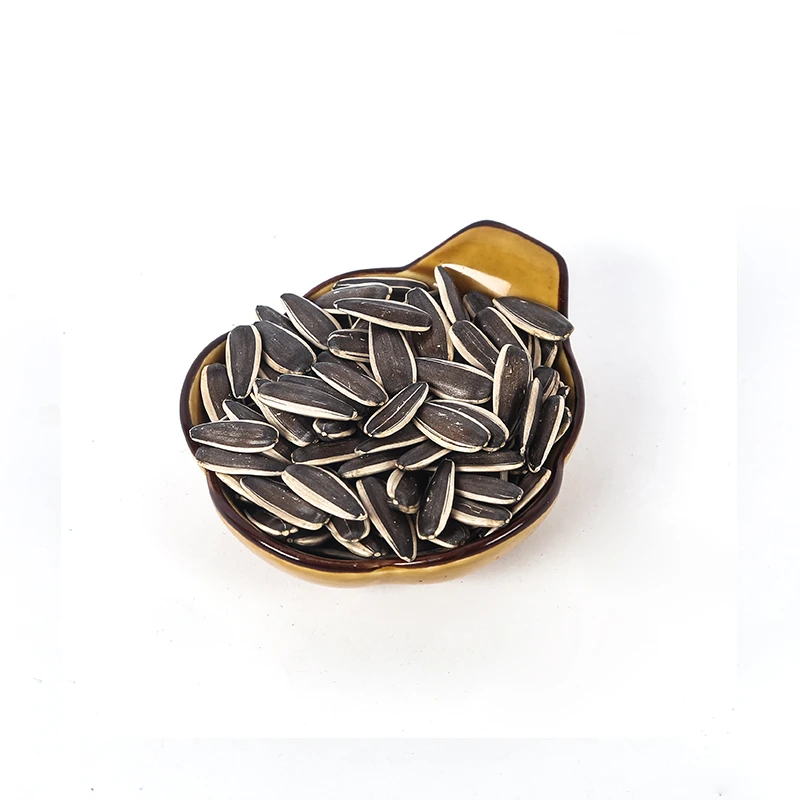
Organic melon seeds, specifically those originating from China, represent a significant segment of the global seed market, valued for their nutritional content and suitability for diverse culinary applications. These seeds, derived from various Cucumis melo cultivars, occupy a unique position within the agricultural supply chain, transitioning from agricultural production through processing, packaging, and ultimately, consumption. Core performance characteristics focus on germination rates, genetic purity, oil content (where applicable, for oilseed varieties), and freedom from contaminants. The increasing demand for organically produced foods globally drives the need for stringent quality control and traceability throughout the production process, positioning Chinese organic melon seeds as a key offering in the health food sector. A critical industry pain point revolves around ensuring consistent organic certification compliance across diverse farming practices and mitigating the risk of pesticide residue contamination, demanding robust testing and auditing procedures.
Material Science & Manufacturing
The raw material, Cucumis melo seeds, exhibit a complex structure. The seed coat, or testa, is composed primarily of cellulose, hemicellulose, and lignin, providing a protective barrier. Beneath the testa lies the endosperm, rich in starches, proteins, and lipids – the primary source of nutritional value. The embryo, the germ of the plant, contains essential oils and fatty acids. Production begins with cultivar selection, prioritizing traits like yield, disease resistance, and seed quality. Organic farming practices preclude the use of synthetic pesticides, herbicides, and fertilizers, relying instead on crop rotation, composting, and biological pest control. Seed harvesting is typically mechanized, followed by cleaning, drying (to approximately 8-10% moisture content to prevent fungal growth), and sizing. Critical parameters during drying include temperature control (not exceeding 40°C to preserve viability) and airflow. Seed processing involves further cleaning to remove debris and damaged seeds, often utilizing gravity separators and aspirators. Organic certification necessitates meticulous record-keeping throughout the entire process, verifying adherence to established standards. Post-harvest handling to prevent lipid peroxidation is vital for seed longevity and requires storage in cool, dry, and dark conditions, preferably with controlled atmosphere packaging.
Performance & Engineering
The performance of organic melon seeds is evaluated primarily on germination rates and seedling vigor. Germination rate is affected by seed viability, moisture content, temperature, and oxygen availability. Force analysis, while not directly applicable to the seed itself, becomes relevant in the design of processing and packaging equipment. Environmental resistance focuses on the seed’s ability to withstand temperature fluctuations and humidity during storage and transport. Organic certification requires adherence to strict standards regarding the absence of genetically modified organisms (GMOs) and prohibited substances. Functional implementation centers on the seed’s ability to produce healthy and vigorous plants. Seed quality directly correlates to crop yield and fruit quality. Seed coating technologies, utilizing organic materials, are employed to enhance germination rates, protect against pests and diseases, and deliver essential nutrients. These coatings must maintain seed breathability and avoid inhibiting germination. A critical engineering challenge involves optimizing seed storage conditions to minimize seed deterioration and maintain genetic purity over extended periods. Long-term seed storage requires careful control of temperature and humidity to minimize enzymatic degradation and maintain viability.
Technical Specifications
| Parameter | Unit | Specification | Test Method |
|---|---|---|---|
| Germination Rate | % | ≥ 85 | ISTA Method 200 |
| Moisture Content | % | 8 - 10 | ISTA Method 200 |
| Purity | % | ≥ 99 | ISTA Method 202 |
| Seed Size (Length) | mm | 8 - 12 (varies by cultivar) | Visual Inspection / Caliper Measurement |
| Oil Content (for oilseed varieties) | % | 35 - 50 | Soxhlet Extraction |
| Contamination (Pesticide Residue) | ppm | ≤ 0.01 (as per organic standards) | GC-MS / HPLC |
Failure Mode & Maintenance
Failure modes in organic melon seeds primarily relate to reduced viability and germination. Common failures include: Physiological Deterioration: Gradual loss of viability due to enzymatic degradation, exacerbated by improper storage conditions (high temperature and humidity). Mechanical Damage: Cracking or chipping of the seed coat during harvesting, processing, or handling, increasing susceptibility to fungal infection. Fungal Contamination: Growth of fungi (e.g., Aspergillus, Fusarium) due to high moisture content, leading to seed rot and mycotoxin production. Insect Infestation: Damage caused by storage pests, reducing seed quality and viability. Genetic Drift: Loss of genetic purity over generations, particularly in open-pollinated varieties. Maintenance strategies focus on proper storage: maintaining low temperature (below 15°C) and humidity (below 65%), ensuring adequate ventilation, and protecting from direct sunlight. Regular monitoring for insect infestation and fungal growth is crucial. Seed treatments with organic protectants (e.g., diatomaceous earth) can deter pests. Maintaining genetic purity requires careful seed selection and adherence to strict breeding protocols. For large-scale storage, controlled atmosphere storage (reducing oxygen levels) can extend seed longevity. A proactive failure analysis program, including germination testing and seed health assessments, is essential for identifying and addressing potential quality issues.
Industry FAQ
Q: What is the significance of organic certification for these seeds?
A: Organic certification, such as USDA Organic or EU Organic, verifies that the seeds were produced without the use of synthetic pesticides, herbicides, and fertilizers. This is critical for growers seeking to produce organically certified crops and for consumers prioritizing organically sourced food products. Certification also ensures adherence to strict environmental and social standards throughout the production process.
Q: How are pesticide residue levels monitored in these seeds?
A: Pesticide residue levels are rigorously monitored using advanced analytical techniques such as Gas Chromatography-Mass Spectrometry (GC-MS) and High-Performance Liquid Chromatography (HPLC). Seeds are sampled and tested by accredited laboratories to ensure compliance with established organic standards, typically requiring residue levels to be below detectable limits.
Q: What is the expected shelf life of these organic melon seeds under optimal storage conditions?
A: Under optimal storage conditions (low temperature, low humidity, dark environment), organic melon seeds can maintain viable germination rates for 3-5 years, depending on the cultivar and seed quality. Regular germination testing is recommended to monitor viability over time.
Q: What steps are taken to prevent genetic contamination (GMOs) in these seeds?
A: Stringent measures are implemented throughout the production process to prevent genetic contamination. This includes sourcing seeds from certified organic suppliers, implementing buffer zones to prevent cross-pollination with GMO crops, and conducting regular testing to verify the absence of genetically modified material.
Q: How does the moisture content affect the quality and storage life of the seeds?
A: Moisture content is a critical factor affecting seed quality and storage life. High moisture content promotes fungal growth and enzymatic degradation, reducing viability. Maintaining a moisture content between 8-10% is essential for long-term storage. Proper drying and packaging are crucial for achieving and maintaining this optimal moisture level.
Conclusion
China Chinese organic melon seeds represent a critical component of the global organic food supply chain. Their production requires a sophisticated understanding of seed biology, organic farming practices, and rigorous quality control measures. Maintaining genetic purity, minimizing contamination risks, and optimizing storage conditions are paramount to ensuring seed viability and delivering consistent performance.
The continued demand for organically produced food will further emphasize the importance of sourcing high-quality, certified organic melon seeds. Future developments will likely focus on enhancing seed treatments with organic protectants, improving storage technologies to extend seed longevity, and developing cultivars with increased disease resistance and yield potential. Collaboration between growers, processors, and researchers is crucial for advancing the organic seed industry and meeting the evolving needs of the market.
