Introduction
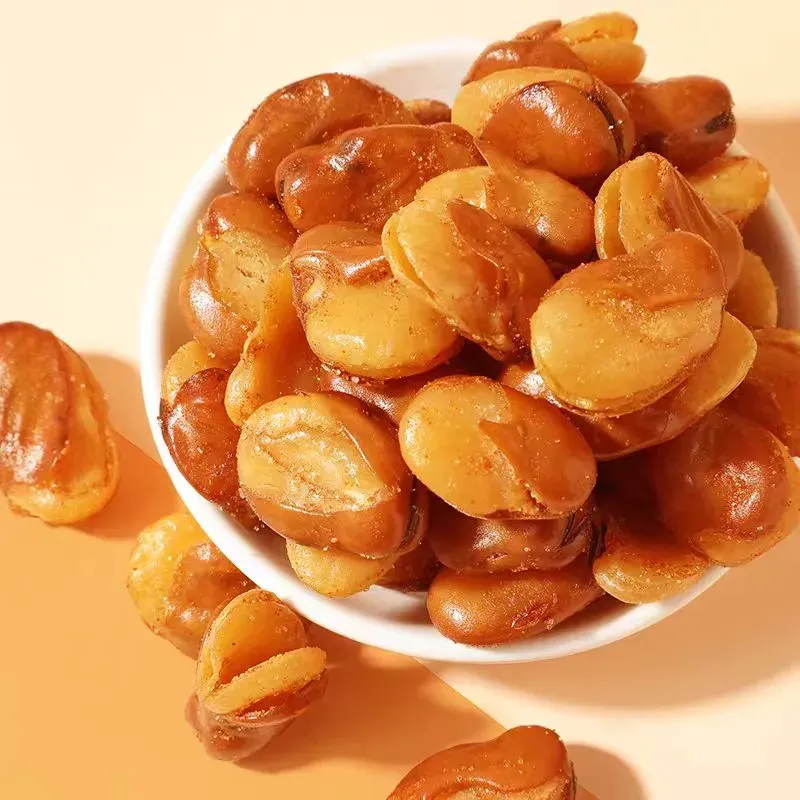
China Chinese melon seed snack represents a significant segment within the global snack food industry, holding a prominent position in Asian markets and experiencing growing international demand. These snacks, traditionally prepared from watermelon seeds, pumpkin seeds, or sunflower seeds, undergo a multi-stage processing involving cleaning, drying, flavoring, and packaging. The product’s technical position in the value chain spans agricultural sourcing, food processing technology, flavor chemistry, and packaging engineering. Core performance characteristics include shelf-life stability, sensory attributes (taste, texture, aroma), nutritional profile (fat content, protein content), and adherence to food safety regulations. A key industry pain point revolves around maintaining consistent flavor profiles across production batches, mitigating acrylamide formation during roasting, and achieving optimal packaging to preserve freshness and prevent rancidity.
Material Science & Manufacturing
The primary raw materials – watermelon, pumpkin, and sunflower seeds – exhibit distinct physical and chemical properties. Watermelon seeds possess a higher oil content (40-50%) and a relatively thin hull, while pumpkin seeds have a lower oil content (30-40%) and a more substantial hull. Sunflower seeds typically contain 35-45% oil. The seed hulls consist primarily of cellulose and lignin, impacting texture and requiring efficient removal during processing. Manufacturing begins with seed cleaning, utilizing air classification and gravity separation to eliminate debris and damaged seeds. The drying process, often employing hot air ovens or fluidized bed dryers, reduces moisture content to 8-10% to inhibit microbial growth and optimize roasting. Roasting, a critical step, utilizes controlled temperature and time parameters (typically 120-180°C for 15-30 minutes) to develop characteristic flavors through Maillard reactions and caramelization. Flavoring involves applying a brine solution containing salt, sugar, spices (e.g., chili, five-spice powder), and sometimes monosodium glutamate (MSG). A final drying stage removes excess moisture from the flavoring, followed by packaging. Parameter control during roasting, specifically temperature uniformity and residence time distribution, is crucial for minimizing acrylamide formation – a key safety concern.

Performance & Engineering
Performance evaluation centers on several key areas: shear strength (related to hull fracture during chewing), oil stability (resistance to rancidity), and moisture content (impacts texture and shelf life). Force analysis indicates that consumers prefer seeds with a moderate shell fracture force – insufficient force leads to a gummy texture, while excessive force causes discomfort. Environmental resistance is primarily assessed through shelf-life studies under varying temperature and humidity conditions. Packaging materials play a vital role in mitigating oxygen and moisture ingress, preventing lipid oxidation and preserving sensory quality. Compliance requirements adhere to national and international food safety standards, including limits on heavy metal contamination (lead, cadmium), pesticide residues, and acrylamide levels. Functional implementation of the flavoring process necessitates precise control of brine concentration and coating uniformity to ensure consistent taste perception. Furthermore, packaging materials must comply with migration limits for packaging components into the food product, as defined by regulatory bodies.
Technical Specifications
| Parameter | Unit | Typical Value (Watermelon Seed) | Typical Value (Sunflower Seed) |
|---|---|---|---|
| Moisture Content | % | 8-10 | 7-9 |
| Oil Content | % | 45-50 | 38-42 |
| Protein Content | % | 25-30 | 20-25 |
| Acrylamide Level | µg/kg | <100 | <150 |
| Peroxide Value (Oil Stability) | meq O2/kg | <5 | <6 |
| Hull Strength (Fracture Force) | N | 2-5 | 3-6 |
Failure Mode & Maintenance
Common failure modes include rancidity (caused by lipid oxidation), staling (loss of texture and flavor), and hull damage during handling. Rancidity is accelerated by exposure to oxygen, light, and elevated temperatures. Staling occurs due to moisture migration and recrystallization of sugars. Hull damage leads to seed fragmentation and reduced visual appeal. Failure analysis reveals that insufficient drying before roasting contributes to higher moisture content, increasing susceptibility to microbial growth and lipid hydrolysis. Inadequate packaging allows oxygen and moisture permeation, accelerating degradation. Maintenance strategies focus on implementing strict quality control measures throughout the manufacturing process, including regular monitoring of moisture content, oil quality, and packaging integrity. Storage recommendations emphasize cool, dry conditions and protection from direct sunlight. Preventative maintenance of roasting equipment, including temperature calibration and airflow optimization, is crucial for minimizing acrylamide formation and ensuring consistent product quality. Regular sensory evaluations and chemical analyses (e.g., peroxide value) are essential for detecting early signs of degradation.
Industry FAQ
Q: What are the primary factors influencing shelf-life stability in Chinese melon seed snacks?
A: Shelf-life stability is primarily influenced by moisture content, oil quality (resistance to oxidation), packaging permeability, and storage conditions. Lower moisture content and effective packaging to minimize oxygen and moisture ingress are critical. The initial peroxide value of the oil is also a key indicator of potential rancidity development.
Q: How is acrylamide formation controlled during the roasting process?
A: Acrylamide formation is minimized through precise control of roasting temperature and time. Lower roasting temperatures, shorter roasting times, and uniform temperature distribution are essential. The addition of certain amino acid reducing agents can also help mitigate acrylamide formation.
Q: What role does packaging material play in maintaining product quality?
A: Packaging materials act as a barrier against oxygen, moisture, and light, preserving sensory attributes and extending shelf life. Materials with low oxygen transmission rates (OTR) and low water vapor transmission rates (WVTR) are preferred. Metallized films and multilayer structures are commonly used.
Q: What are the typical quality control parameters monitored during seed processing?
A: Key quality control parameters include seed moisture content, seed oil content, foreign material content, hull damage percentage, roasting temperature and time, brine concentration, and final product moisture content. Sensory evaluation is also crucial for assessing flavor and texture.
Q: What international standards apply to the production and sale of Chinese melon seed snacks?
A: Relevant standards include ISO 22000 (Food Safety Management Systems), GB standards (Chinese National Standards for food products), and regulations regarding pesticide residues, heavy metal limits, and food additives as defined by the importing country's food safety authorities (e.g., FDA in the US, EFSA in Europe).
Conclusion
China Chinese melon seed snacks, while seemingly simple, require a sophisticated understanding of material science, food processing technology, and packaging engineering to ensure consistent quality, safety, and consumer appeal. The optimization of roasting parameters to minimize acrylamide formation and the selection of appropriate packaging materials to prevent rancidity are critical challenges. Maintaining consistent flavor profiles through precise control of the brining and drying processes remains a key area for continuous improvement.
Future development trends will likely focus on novel flavoring techniques, sustainable packaging solutions, and enhanced quality control measures utilizing real-time monitoring and data analytics. Exploring alternative seed sources and developing healthier formulations with reduced oil and sodium content represent further opportunities for innovation within this dynamic sector.
