Introduction
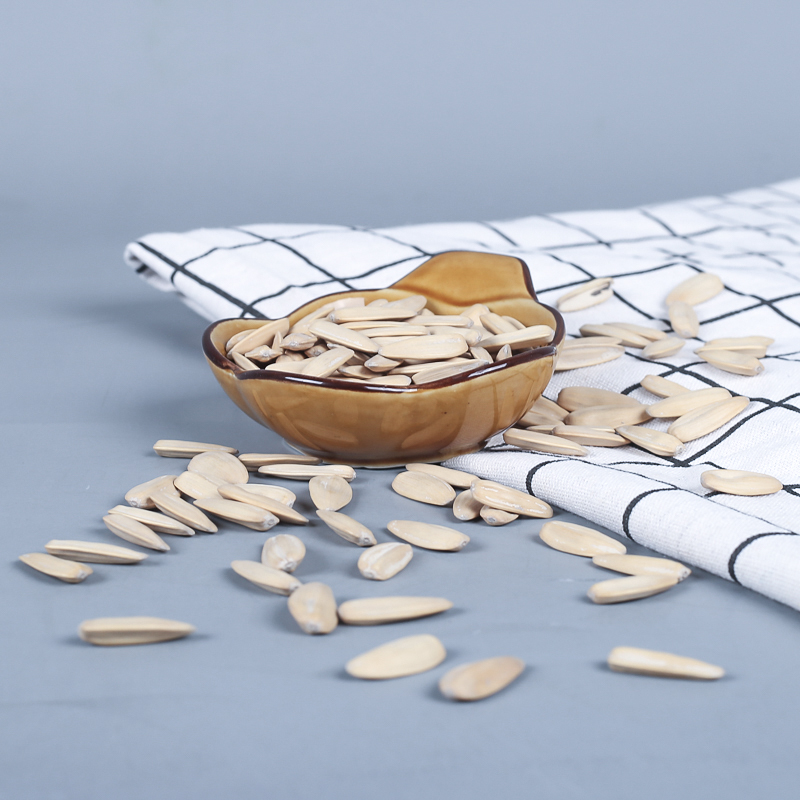
China chicken juice flavor sunflower seeds represent a significant segment within the processed snack food industry, specifically within the savory seed category. The product is characterized by sunflower seeds that have undergone a multi-stage processing sequence, including cleaning, grading, roasting, flavoring, and packaging. Its technical position in the supply chain begins with sunflower seed cultivation and harvesting, transitioning through processing facilities specializing in flavoring and coating, and concluding with distribution to retail channels. Core performance characteristics, from a technical perspective, center around achieving consistent flavor adhesion, maintaining acceptable moisture content for shelf stability, optimizing seed kernel integrity to minimize breakage during processing and consumption, and ensuring compliance with food safety standards. This guide provides an in-depth technical analysis of the material science, manufacturing processes, performance parameters, potential failure modes, and industry standards applicable to the production of this snack product. A critical pain point within the industry revolves around achieving a homogenous flavor coating while preventing issues such as flavor leaching, dusting, and clumping during storage.
Material Science & Manufacturing
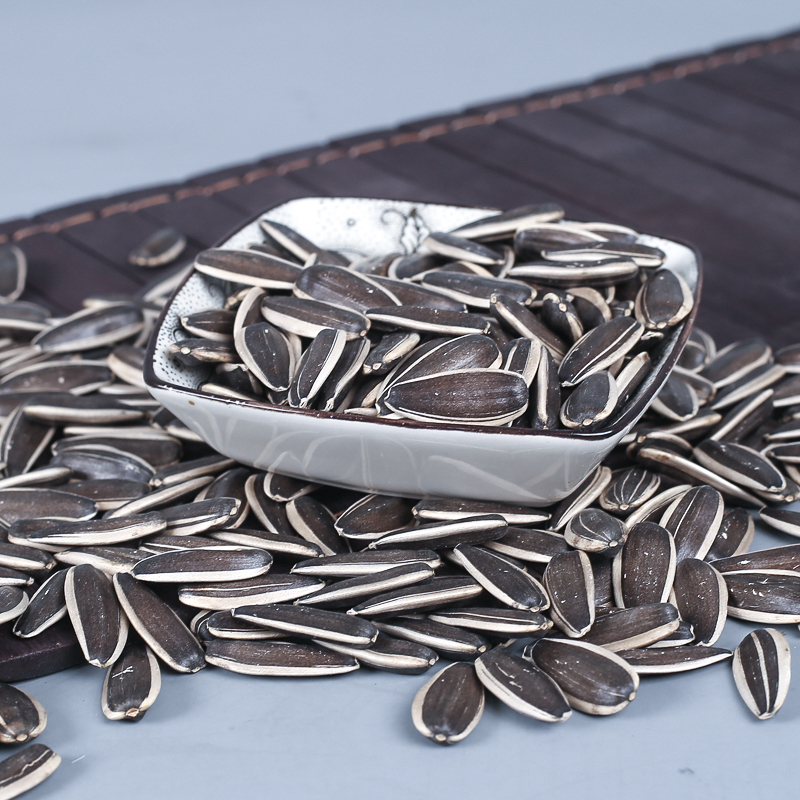
The primary raw material is the sunflower seed ( Helianthus annuus), specifically cultivars selected for kernel size, oil content, and shell thickness. Kernel oil content typically ranges from 42-58%, influencing roasting characteristics and flavor absorption. The flavoring component, "chicken juice flavor", is a complex blend of artificial and natural flavorings, hydrolyzed vegetable protein, monosodium glutamate (MSG), disodium inosinate and guanylate, maltodextrin, and coloring agents (often caramel color). The coating also incorporates starches (typically corn starch or tapioca starch) as binders, and vegetable oils to aid adhesion. Manufacturing begins with cleaning and grading of raw sunflower seeds to remove foreign materials and ensure uniformity. Roasting is a critical step, performed at temperatures between 140-160°C, impacting seed texture and flavor development. The flavoring process utilizes a rotating drum or fluidized bed coater where a viscous slurry containing the “chicken juice flavor” mixture is applied to the roasted seeds. Parameter control during coating is paramount: slurry viscosity (monitored via Brookfield viscometer), coating rate (determined by drum speed and slurry flow), and drying temperature (controlled to avoid seed scorching and flavor degradation) are all key variables. Following coating, seeds are cooled and packaged in moisture-barrier films (typically multi-layer polyethylene/aluminum laminate) to maintain freshness and prevent oxidation of the oils within the seeds.
Performance & Engineering
Performance assessment centers around several key factors. First, coating adhesion is quantified using a shear force test, measuring the force required to remove the coating from a seed kernel. Target adhesion strength is typically 0.5-1.0 N. Second, moisture content is critical for shelf life; optimal levels are between 3-5%, determined via Karl Fischer titration. Excessive moisture promotes microbial growth and clumping, while insufficient moisture leads to staleness. Third, flavor intensity and consistency are assessed through sensory evaluation, employing trained panels to rate attributes such as chicken flavor strength, saltiness, and overall acceptability. Environmental resistance is primarily focused on preventing flavor degradation due to oxidation. Packaging material oxygen transmission rate (OTR) must be below 1 cm³/m²/day. Furthermore, the product must comply with relevant food safety regulations, including limits on heavy metal content (lead, cadmium, arsenic) as dictated by national standards. Force analysis during processing includes determining the impact forces on the seeds during roasting and coating to minimize kernel breakage. Engineering considerations include optimizing drum coater geometry for uniform coating application and designing cooling systems to efficiently remove heat and prevent flavor loss.
Technical Specifications
| Parameter | Unit | Specification | Test Method |
|---|---|---|---|
| Moisture Content | % | 3.0 - 5.0 | Karl Fischer Titration (GB/T 5005-2008) |
| Coating Adhesion | N | 0.5 - 1.0 | Shear Force Testing (ASTM D3359) |
| Salt Content | % | 1.0 - 2.0 | Argentometric Titration (GB 5009.3-2016) |
| Flavor Intensity (Chicken) | Sensory Units | 4.0 - 6.0 (on a 9-point scale) | Sensory Evaluation (GB/T 17277-2008) |
| Broken Kernel Rate | % | < 5 | Visual Inspection (GB/T 17277-2008) |
| Oxygen Transmission Rate (OTR) - Packaging | cm³/m²/day | < 1 | ASTM D3985 |
Failure Mode & Maintenance
Several failure modes are common. Flavor leaching occurs when the flavor compounds migrate to the seed surface, resulting in a greasy texture and diminished flavor intensity over time. This is exacerbated by high temperatures and humidity. Coating dusting results from inadequate coating adhesion, leading to powder formation within the packaging. Clumping is caused by excessive moisture absorption, causing seeds to adhere to each other. Oxidative rancidity arises from the oxidation of unsaturated fatty acids in the sunflower seeds, leading to off-flavors and odors. Kernel cracking occurs during processing due to excessive impact forces or improper roasting. Maintenance strategies focus on preventative measures. Maintaining precise control of roasting temperature and time is crucial. Optimizing coating parameters (viscosity, rate, drying temperature) maximizes adhesion. Utilizing high-barrier packaging materials minimizes moisture and oxygen ingress. Regular monitoring of moisture content and sensory attributes during storage allows for early detection of degradation. Equipment maintenance (drum coaters, cooling systems) ensures consistent performance and minimizes mechanical damage to the seeds. Proper storage conditions (cool, dry, dark) are essential to extend shelf life and preserve product quality.
Industry FAQ
Q: What are the primary drivers of flavor loss in chicken juice flavored sunflower seeds?
A: The primary drivers of flavor loss are oxidation of the volatile flavor compounds, leaching of the flavoring to the seed surface, and degradation of the flavor components due to moisture absorption. Packaging permeability to oxygen and moisture, as well as storage temperature, significantly influence the rate of flavor loss.
Q: How does seed variety impact the coating adhesion process?
A: Seed variety influences kernel surface texture and oil content. Seeds with rougher surfaces generally exhibit better coating adhesion. Higher oil content can create a barrier that hinders flavor penetration and adhesion, requiring adjustments to coating parameters.
Q: What is the significance of the "shear force" test in quality control?
A: The shear force test directly measures the strength of the bond between the coating and the seed kernel. A low shear force value indicates poor adhesion and a high risk of coating dusting, impacting product appearance and consumer acceptance.
Q: What types of packaging materials are most effective for maintaining product freshness?
A: Multi-layer laminates composed of polyethylene, aluminum foil, and polyester provide the best barrier properties against oxygen, moisture, and light. The aluminum foil layer is critical for preventing oxidation. The thickness of each layer and the specific polymers used impact the overall barrier performance.
Q: Are there specific regulatory limits on the levels of MSG allowed in this product?
A: Yes, regulatory limits on MSG vary by country. In the US, the FDA does not have specific limits for MSG but requires it to be declared on the ingredient label. In other regions, such as the EU, maximum levels are stipulated by legislation. Compliance requires regular testing and adherence to the applicable regulations.
Conclusion
The production of China chicken juice flavor sunflower seeds is a complex process requiring meticulous control of material properties, manufacturing parameters, and packaging characteristics. Achieving optimal flavor adhesion, maintaining acceptable moisture content, and ensuring compliance with food safety standards are critical performance indicators. Failure modes such as flavor leaching, coating dusting, and oxidative rancidity must be proactively addressed through preventative maintenance and quality control measures.
Further research should focus on optimizing flavor encapsulation techniques to enhance flavor retention and minimize leaching, exploring alternative coating materials with improved adhesion and barrier properties, and developing more robust packaging solutions to extend shelf life and maintain product quality under varying storage conditions. Continuous monitoring of industry regulations and consumer preferences is also vital for sustained product success.
