Introduction
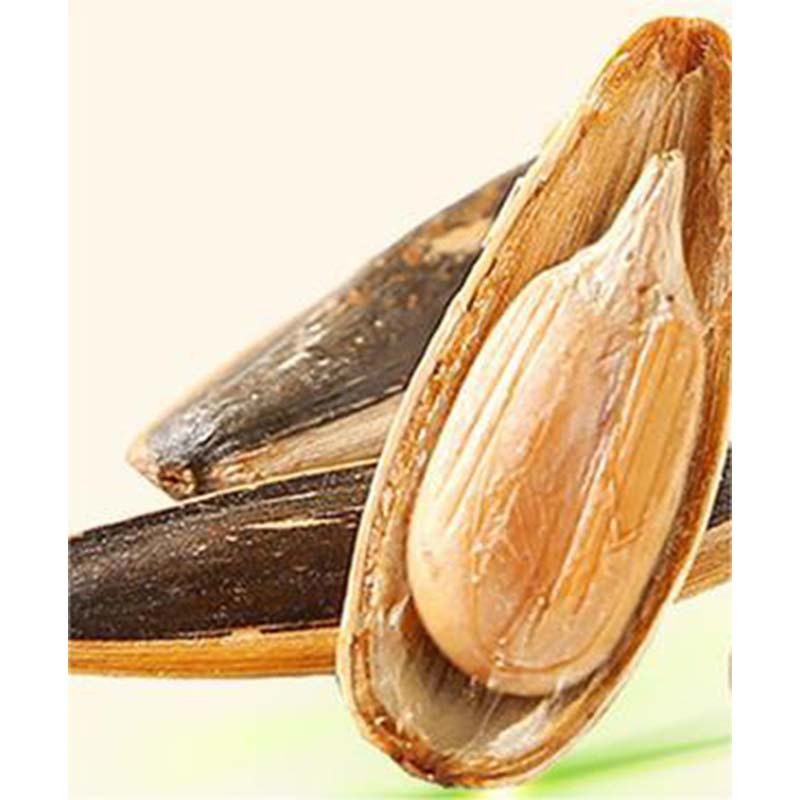
China caramel flavor sunflower seeds represent a significant segment within the processed snack food industry, bridging agricultural production with confectionary technology. These seeds, derived from Helianthus annuus, undergo a multi-stage process involving dehulling, roasting, flavoring, and glazing to achieve their characteristic sweet and savory profile. Technically, they position themselves within the broader category of oilseed-based snacks, competing with products like peanuts, pumpkin seeds, and other flavored seed varieties. Core performance characteristics include consistent flavor delivery, appropriate moisture content for textural integrity, and sustained crispness. A primary industry challenge lies in maintaining consistent caramel coating adhesion, preventing rancidity of the seed kernel, and minimizing acrylamide formation during the roasting process, all while adhering to stringent food safety standards.
Material Science & Manufacturing
The raw material, sunflower seeds, possesses a complex composition. The kernel consists primarily of lipids (40-50%, largely linoleic acid), proteins (20-25%), carbohydrates (15-20%), and fiber. The shell comprises cellulose and lignin. Manufacturing begins with seed selection based on kernel size and oil content. Dehulling is typically mechanical, followed by drying to a specific moisture content (around 8-10%) critical for roasting uniformity. Roasting, conducted at temperatures between 140-160°C, initiates Maillard reactions, developing characteristic flavors and reducing moisture. The caramel coating formulation utilizes sucrose, glucose syrup, butter, and often emulsifiers like lecithin. This coating is applied via a rotating drum or fluidized bed process. Precise control of drum speed, coating solution viscosity, and drying air temperature are paramount to achieving a uniform, non-sticky coating. Crystallization of sucrose within the caramel matrix is a key factor influencing texture. Failure to control crystallization results in a grainy mouthfeel. Post-coating, seeds undergo cooling and packaging, typically in moisture-barrier films to prevent staling.
Performance & Engineering
Performance is evaluated through several key parameters. Shear force analysis assesses the crispness of the seeds and coating. The coating's adhesion strength is crucial, measured via peel tests to quantify the force required to remove the caramel layer. Environmental resistance is vital; the product must maintain acceptable sensory attributes under varying temperature and humidity conditions. This necessitates understanding water activity (aw) and its impact on microbial growth and texture changes. Packaging engineering plays a critical role in controlling aw and preventing lipid oxidation, leading to rancidity. Compliance requirements include adherence to food safety regulations like HACCP (Hazard Analysis and Critical Control Points) and relevant national standards governing permissible levels of acrylamide, heavy metals, and pesticide residues. The caramel coating needs to withstand handling and transport stresses without cracking or flaking, therefore the coating’s tensile strength and elongation at break are important. Furthermore, the seeds’ bulk density impacts packaging efficiency and transportation costs.
Technical Specifications
| Parameter | Specification | Test Method | Industry Standard |
|---|---|---|---|
| Moisture Content (Kernel) | 6.0 - 8.0% | Oven Drying Method (GB 5005-2008) | GB 5005-2008 |
| Caramel Coating Weight (%) | 15 - 20% | Differential Weighing | Internal Quality Control |
| Water Activity (aw) | ≤ 0.65 | Water Activity Meter | Codex Alimentarius |
| Oil Content (Kernel) | 48 - 55% | Soxhlet Extraction | GB/T 5005-2008 |
| Acrylamide Level | ≤ 100 ppb | GC-MS | EU Regulation 118/2006 |
| Peroxide Value (Oil) | ≤ 5 meq/kg | Titration Method (GB 5005-2008) | GB 5005-2008 |
Failure Mode & Maintenance
Common failure modes include: (1) Rancidity: Lipid oxidation, leading to off-flavors, is accelerated by exposure to oxygen, light, and elevated temperatures. Mitigation involves nitrogen flushing during packaging and the addition of antioxidants like BHA/BHT. (2) Coating Delamination: Insufficient adhesion between the caramel and seed surface results in flaking. This is often caused by moisture condensation or improper coating application. (3) Softness/Staling: Absorption of moisture leads to loss of crispness and a soft texture. Proper packaging and humidity control are essential. (4) Cracking/Fracturing: Physical damage during handling or transport can cause cracks in the seeds or coating. Improved packaging and gentle handling procedures are required. (5) Acrylamide Formation: Excessive roasting temperatures contribute to acrylamide formation. Precise temperature control and optimized roasting profiles are crucial. Maintenance involves proper storage conditions (cool, dry, dark), first-in, first-out inventory management, and regular monitoring of quality parameters like peroxide value and moisture content. Packaging integrity must be continuously assessed.
Industry FAQ
Q: What are the key factors influencing the shelf life of caramel sunflower seeds?
A: The primary factors are moisture content, oxygen exposure, and temperature. Maintaining a low water activity (aw < 0.65), utilizing moisture-barrier packaging, nitrogen flushing to minimize oxygen, and storing the product in a cool, dry environment are crucial for maximizing shelf life. The presence of antioxidants in the caramel formulation also contributes to stability.
Q: How can we minimize acrylamide formation during the roasting process?
A: Reducing roasting temperature and time, optimizing the roasting profile to minimize surface browning, and using raw materials with lower reducing sugar content can significantly lower acrylamide levels. Formulation adjustments, such as adding asparaginase, can also be effective.
Q: What is the ideal moisture content for optimal caramel adhesion?
A: The optimal moisture content of the sunflower kernel prior to coating is generally between 8-10%. Lower moisture content can lead to poor adhesion, while higher moisture content can cause the caramel to become sticky and difficult to process.
Q: What packaging materials are most effective in preventing rancidity?
A: Multi-layer films incorporating aluminum foil or metallized polyester provide excellent oxygen and light barrier properties. Supplementing with a nitrogen flush within the package further reduces oxygen exposure and extends shelf life. Resealable packaging options are also beneficial.
Q: What quality control tests are essential for ensuring consistent product quality?
A: Critical tests include moisture content analysis, water activity measurement, peroxide value determination (to assess rancidity), caramel coating weight verification, shear force analysis (for crispness), and periodic acrylamide testing. Regular sensory evaluations are also important to monitor flavor and texture.
Conclusion
China caramel flavor sunflower seeds represent a complex food system requiring precise control over material science, manufacturing processes, and packaging technologies. Maintaining consistent product quality, extending shelf life, and minimizing potential health risks like acrylamide formation are primary challenges for manufacturers. Effective quality control measures, coupled with a deep understanding of the underlying chemical and physical properties, are essential for success.
Future developments are likely to focus on optimizing roasting profiles through advanced process control, exploring novel antioxidant formulations, and developing sustainable packaging solutions with enhanced barrier properties. Consumer demand for healthier snack options will also drive innovation in reducing sugar content and incorporating functional ingredients.
