Introduction
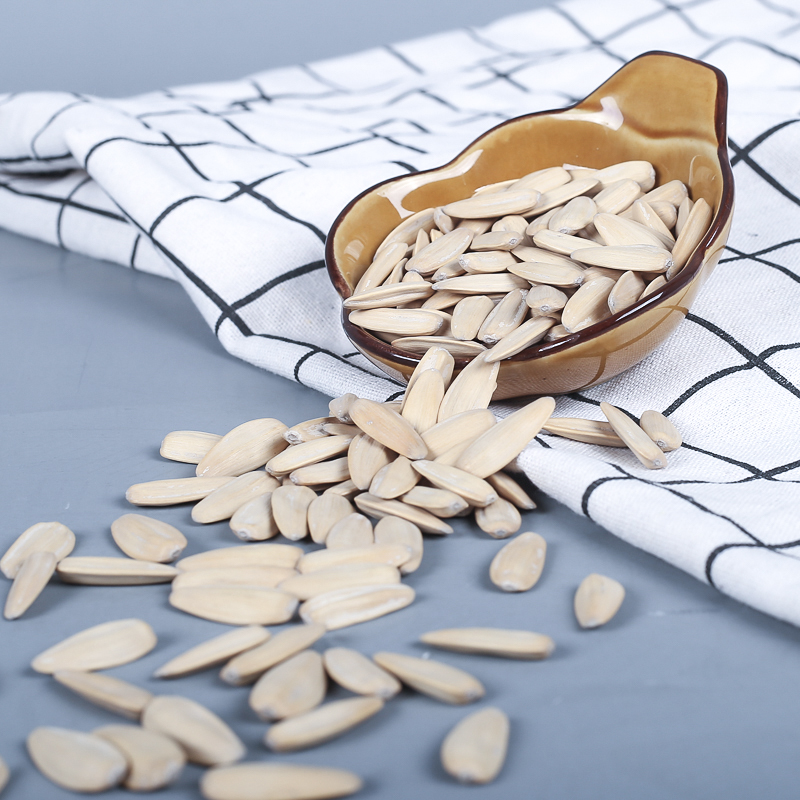
Sunflower seeds for planting ( Helianthus annuus) represent a significant agricultural commodity, particularly in global trade originating from China. These seeds are not merely a source of oil; they are a crucial input for edible oil production, confectionary applications, bird feed, and increasingly, biofuels. The Chinese sunflower seed industry focuses predominantly on oilseed varieties, though confectionary types are gaining prominence due to shifting consumer demand. This guide provides an in-depth technical analysis of sourcing sunflower seeds from China, covering material science, manufacturing processes, performance characteristics, failure modes, and relevant industry standards. A key industry pain point is maintaining consistent seed quality, specifically oil content, germination rates, and freedom from contaminants, a challenge amplified by variations in growing regions and post-harvest handling practices. Furthermore, compliance with international phytosanitary regulations and traceability requirements presents ongoing complexities for both suppliers and importers.
Material Science & Manufacturing
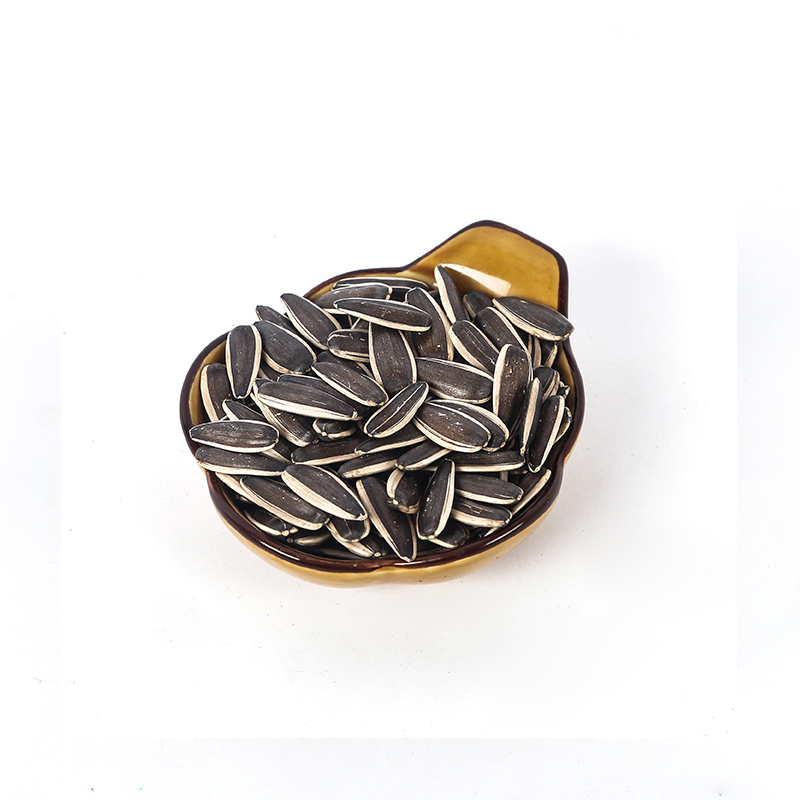
Sunflower seed composition varies with cultivar but fundamentally consists of a hull (pericarp, approximately 20-30% by weight), kernel (cotyledons, 60-70%), and embryo (5-10%). The kernel’s oil content, typically 40-55%, is the primary determinant of economic value. The oil is rich in linoleic acid (an omega-6 fatty acid) and oleic acid (an omega-9 fatty acid). Hull characteristics—thickness, strength, and surface texture—influence shelling efficiency during processing. Manufacturing begins with seed selection, categorized based on size and oil content. Chinese sunflower seed production employs both conventional and hybrid varieties. Hybrid varieties offer higher yields and improved disease resistance but require specialized breeding programs. The manufacturing process includes pre-cleaning (removal of debris), dehulling (mechanical removal of the hull), kernel separation (based on density), sorting (optical and gravity-based), and drying (to reduce moisture content to approximately 8-9% for storage). Key parameter control during drying is critical; temperatures exceeding 45°C can denature proteins and reduce oil quality. Post-harvest treatment with fungicides to prevent mold growth and insect infestation is commonplace, necessitating rigorous residue analysis before export. Seed coating with protectants like thiamethoxam is also frequent, requiring careful adherence to maximum residue levels (MRLs) established by importing countries.
Performance & Engineering
Performance is evaluated primarily on germination rate, oil content, protein content, and moisture content. Germination rate, a critical indicator of seed viability, is assessed using standardized laboratory tests involving controlled temperature and humidity. Oil content is determined through Soxhlet extraction or near-infrared (NIR) spectroscopy. Variations in oil content affect the efficiency of oil extraction processes and the final oil yield. Seed hardness, a physical property influencing shelling efficiency, is measured using penetrometers. From an engineering perspective, maintaining consistent seed size and shape is essential for optimal performance in pneumatic sorting and dehulling equipment. Environmental resistance considerations include storage stability under varying temperature and humidity conditions. Sunflower seeds are susceptible to aflatoxin contamination, particularly in humid environments. Proper storage practices, including temperature control (below 15°C) and humidity control (below 65%), are paramount. Compliance with international regulations regarding mycotoxin levels (e.g., EU regulations) is mandatory. Furthermore, seed treatment with appropriate fungicides minimizes fungal growth during storage and transport. The mechanical strength of the hull also plays a role in transport; seeds are subjected to impact and abrasion during handling.
Technical Specifications
| Parameter | Unit | Oilseed Variety (Typical Range) | Confectionary Variety (Typical Range) |
|---|---|---|---|
| Oil Content | % (Dry Weight Basis) | 48-55 | 40-45 |
| Kernel Moisture Content | % | 8-9 | 8-9 |
| Germination Rate | % | 85-95 | 75-90 |
| Hull Percentage | % | 20-30 | 25-35 |
| Protein Content | % (Dry Weight Basis) | 18-22 | 20-25 |
| Aflatoxin B1 (Maximum) | ppb | 2 (EU Standard) | 2 (EU Standard) |
Failure Mode & Maintenance
Sunflower seeds are prone to several failure modes during storage and transport. Mechanical Damage: Cracking and chipping of kernels occur due to impact and abrasion, reducing market value. This is exacerbated by low moisture content making them brittle. Biological Degradation: Mold growth (e.g., Aspergillus flavus) leads to aflatoxin contamination, rendering the seeds unsuitable for human or animal consumption. This is primarily driven by high moisture content and poor ventilation. Insect Infestation: Storage pests (e.g., Sitophilus oryzae, rice weevil) can rapidly damage large quantities of seed, reducing germination rates and causing contamination. Oxidative Rancidity: Exposure to oxygen and light can cause oxidation of unsaturated fatty acids in the oil, resulting in rancidity and a decrease in oil quality. Genetic Degradation: Over extended storage periods, particularly under suboptimal conditions, a decline in germination rate can occur due to genetic changes. Maintenance focuses on preventative measures. This includes proper drying, airtight storage in cool, dry conditions, regular pest monitoring, and implementation of integrated pest management (IPM) strategies. Seed treatment with appropriate insecticides and fungicides prior to storage can also help to mitigate these failure modes. Regular quality control testing for moisture content, germination rate, and aflatoxin levels is essential.
Industry FAQ
Q: What are the key differences in quality control procedures for oilseed versus confectionary sunflower seeds?
A: Oilseed quality control primarily focuses on oil content, free fatty acid levels, and moisture content. Confectionary seed QC emphasizes kernel size uniformity, hull strength (for ease of shelling by consumers), absence of blemishes, and a low level of hull fragments. Aflatoxin testing is critical for both types, but visual inspection is more stringent for confectionary varieties.
Q: How does China address the issue of pesticide residues in sunflower seeds intended for export?
A: China implements a system of Maximum Residue Limits (MRLs) for pesticides, aligning with Codex Alimentarius standards and the requirements of major importing countries (EU, USA, Japan). Seed producers are required to maintain records of pesticide applications and undergo regular inspections by government agencies. Accredited laboratories conduct residue testing prior to export certification.
Q: What is the typical shelf life of properly stored sunflower seeds, and what factors influence it?
A: Properly stored sunflower seeds (cool, dry, airtight conditions) can maintain viability for 18-24 months. Key factors influencing shelf life include initial seed quality (moisture content, oil content), storage temperature (below 15°C is ideal), relative humidity (below 65%), and protection from insect infestation.
Q: What are the common phytosanitary certifications required for exporting sunflower seeds from China?
A: Typically, a Phytosanitary Certificate issued by the General Administration of Customs of the People's Republic of China (GACC) is required. This certificate verifies that the seeds are free from regulated pests and diseases. Depending on the importing country, additional certifications, such as a Certificate of Origin, may also be required.
Q: What logistical challenges are commonly encountered when importing large volumes of sunflower seeds from China?
A: Common challenges include port congestion, particularly during peak harvest seasons, ensuring adequate refrigerated container availability for temperature-sensitive shipments, and managing documentation requirements (bill of lading, packing list, certificate of analysis). Delays in customs clearance can also occur. Maintaining consistent communication with suppliers and freight forwarders is crucial.
Conclusion
The sourcing of sunflower seeds from China requires a comprehensive understanding of the interplay between agricultural practices, material science, and international trade regulations. Maintaining consistent seed quality, mitigating biological degradation risks, and adhering to stringent phytosanitary standards are paramount for successful import operations. Careful attention to storage conditions, coupled with rigorous quality control testing throughout the supply chain, is essential to minimize failure modes and ensure a reliable supply of high-quality sunflower seeds.
Future trends in the Chinese sunflower seed industry are likely to focus on the development of higher-yielding hybrid varieties with improved oil profiles and disease resistance. Increased adoption of precision agriculture technologies and blockchain-based traceability systems will further enhance supply chain transparency and quality assurance. Importers should proactively monitor these developments to optimize their sourcing strategies and remain competitive in the global market.
