Introduction
Sunflower seeds ( Helianthus annuus ) procured in bulk from China represent a significant commodity in the global food and agricultural market. This technical guide addresses the key considerations for industrial buyers, covering aspects from seed quality and variety selection to storage, processing, and international trade standards. Sunflower seeds serve diverse applications, including direct human consumption as a snack food, oil extraction for edible and industrial uses, and as a protein-rich ingredient in animal feed. The Chinese sunflower seed industry is a major global supplier, characterized by large-scale cultivation, efficient processing infrastructure, and competitive pricing. However, consistent quality control, adherence to food safety regulations, and understanding of agronomic factors are paramount for successful sourcing. This guide details the critical technical parameters influencing bulk sunflower seed purchases, aiming to mitigate risks and optimize value within the supply chain.
Material Science & Manufacturing
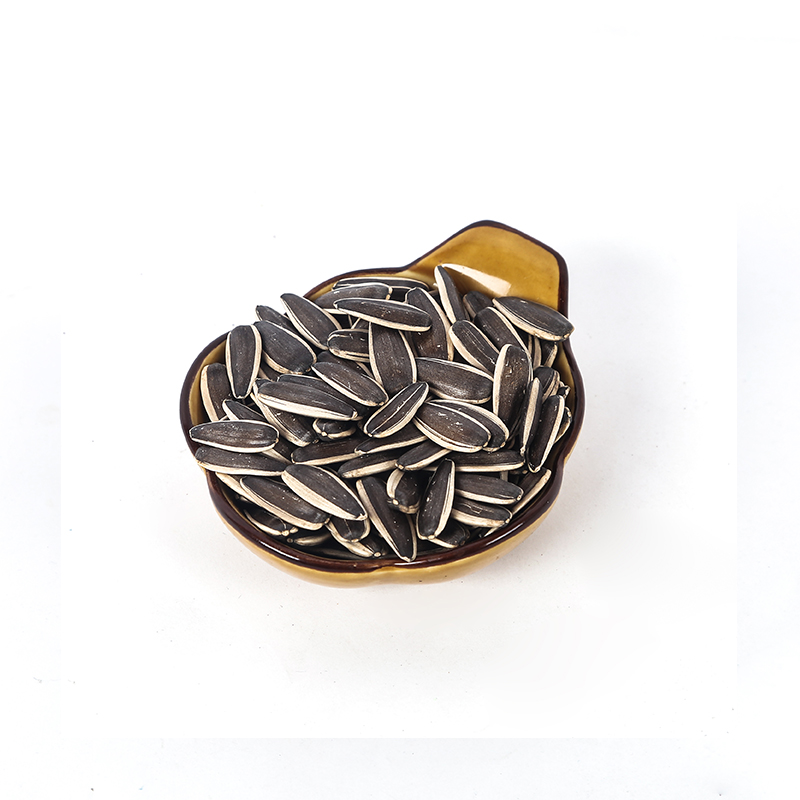
Sunflower seeds consist primarily of a kernel enclosed within a hull. The kernel comprises approximately 40-55% oil, 20-30% protein, and 10-20% carbohydrate content, with varying levels of fiber and minerals. The oil composition is dominated by linoleic acid (omega-6) and oleic acid (omega-9) fatty acids, influencing its stability and applications. Hull composition is primarily cellulose and lignin. Seed varieties are categorized as confectionary (larger kernel size, black or striped hulls) or oilseed (smaller kernel size, black hulls). Manufacturing begins with agricultural cultivation, demanding careful attention to soil composition (loam, well-drained), climate (moderate temperature, sufficient sunlight), and irrigation. Post-harvest processing involves cleaning (removal of debris, stalks, and damaged seeds), drying (reduction of moisture content to below 9% to prevent mold growth and aflatoxin contamination – a critical food safety concern), dehulling (mechanical removal of the hull), and grading (size and quality separation). Key parameters in processing include drying temperature (optimally below 60°C to preserve oil quality), dehulling impact force (to minimize kernel damage), and cleaning efficiency (to ensure purity). Quality control at each stage employs physical sorting, visual inspection, and laboratory analysis for moisture content, oil percentage, and mycotoxin levels. Seed coating with protective polymers is sometimes employed to improve handling and shelf life, demanding careful material compatibility assessment.
Performance & Engineering
The performance of sunflower seeds is critically linked to their physical and chemical properties. For snack food applications, kernel hardness (measured by compression testing) influences textural characteristics. Oil yield, determined by Soxhlet extraction, dictates processing efficiency and economic viability. Storage stability is affected by moisture content, temperature, and oxygen exposure; lower moisture content and temperature minimize lipid oxidation and rancidity. Engineering considerations involve bulk storage design, emphasizing proper ventilation to prevent condensation and localized heating, and minimizing mechanical stress during handling to avoid kernel cracking. Transportation requires packaging materials that provide barrier protection against moisture, oxygen, and physical damage. Compliance with food safety regulations, such as those established by the FDA (Food and Drug Administration) and EFSA (European Food Safety Authority), necessitates rigorous monitoring of contaminant levels (heavy metals, pesticides, mycotoxins). Finite element analysis (FEA) can be employed to optimize the design of seed handling equipment, minimizing damage and maximizing throughput. Furthermore, the oil's oxidative stability (measured by Rancimat testing) is a vital performance indicator affecting shelf life and nutritional value.
Technical Specifications
| Parameter | Unit | Confectionary Grade | Oilseed Grade |
|---|---|---|---|
| Kernel Moisture Content | % | ≤ 8.0 | ≤ 9.0 |
| Oil Content (Dry Basis) | % | 40 - 50 | > 45 |
| Kernel Size (Screen Size) | mm | 10.0 - 12.0 | 8.0 - 10.0 |
| Hull Content | % | ≤ 10 | ≤ 15 |
| Broken Kernels/Foreign Matter | % | ≤ 2 | ≤ 5 |
| Aflatoxin B1 | ppb | ≤ 5 | ≤ 10 |
Failure Mode & Maintenance
Sunflower seeds are susceptible to several failure modes during storage and processing. Aflatoxin contamination, caused by Aspergillus molds, is a primary concern, especially in humid conditions. Mitigation requires strict moisture control, proper ventilation, and the use of antifungal treatments (where permissible by regulations). Lipid oxidation results in rancidity, characterized by off-flavors and reduced nutritional value. Preventive measures include storing seeds in airtight containers, minimizing exposure to oxygen, and adding antioxidants (e.g., Vitamin E). Physical damage (cracking, chipping) during handling and processing can reduce seed quality and increase dust generation. Regular inspection of processing equipment and implementation of gentle handling techniques are essential. Insect infestation can also occur, leading to seed loss and contamination. Proper sanitation, pest control measures, and the use of protective packaging can prevent infestations. For bulk storage facilities, periodic cleaning and inspection of storage bins are critical. Maintenance involves regular calibration of moisture meters, cleaning of processing equipment to prevent cross-contamination, and monitoring of temperature and humidity levels within storage facilities. Routine testing for aflatoxins and oil quality (peroxide value) is also crucial for proactive quality management.
Industry FAQ
Q: What is the significance of the aflatoxin limit, and how is it monitored?
A: Aflatoxin is a potent carcinogen produced by Aspergillus molds. Regulatory bodies worldwide (FDA, EFSA) set strict limits (typically in parts per billion - ppb) to protect human health. Monitoring involves sampling seeds and analyzing them using techniques like ELISA (Enzyme-Linked Immunosorbent Assay) or HPLC (High-Performance Liquid Chromatography). Exceeding the limit renders the batch unusable for human consumption.
Q: How does kernel size variation impact processing efficiency and end-product quality?
A: Significant kernel size variation can lead to inconsistent oil yield during extraction and uneven roasting in confectionary applications. It also affects the accuracy of automated sorting and grading systems. Grading based on screen size is crucial to minimize these issues.
Q: What are the key differences between confectionary and oilseed varieties in terms of sourcing considerations?
A: Confectionary seeds demand higher kernel size, lower hull content, and minimal defects to meet consumer preferences. Oilseed varieties prioritize oil yield and are typically less aesthetically graded. The sourcing strategy must align with the intended end application, impacting price and quality requirements.
Q: What packaging materials are recommended for long-term bulk storage of sunflower seeds?
A: Multi-layer packaging incorporating a moisture barrier (e.g., aluminum foil), an oxygen barrier (e.g., metallized film), and a robust outer layer (e.g., woven polypropylene) is recommended. Vacuum packaging or modified atmosphere packaging (MAP) with nitrogen flushing can further extend shelf life by minimizing oxidation.
Q: How important is traceability in the sunflower seed supply chain?
A: Traceability is paramount for food safety and quality control. It allows for quick identification and recall of contaminated batches. Implementing a robust traceability system, from farm to final product, using lot numbers and detailed records is essential for compliance and consumer protection.
Conclusion
Procuring sunflower seeds in bulk from China requires a comprehensive understanding of the intricate interplay between agronomic practices, processing technologies, and quality control measures. The specifications detailed within – encompassing moisture content, oil percentage, kernel size, and mycotoxin levels – are critical determinants of product suitability and end-use performance. Prioritizing adherence to international food safety standards and implementing robust traceability systems are not merely regulatory requirements, but fundamental aspects of responsible sourcing.
Future developments in sunflower seed breeding and processing will likely focus on enhancing oil quality (increased oleic acid content), improving disease resistance, and optimizing extraction efficiency. Furthermore, advancements in packaging technology will continue to extend shelf life and minimize environmental impact. Successful navigation of the Chinese sunflower seed market necessitates a technical, data-driven approach, coupled with proactive risk management and a commitment to sustainable sourcing practices.
