Introduction
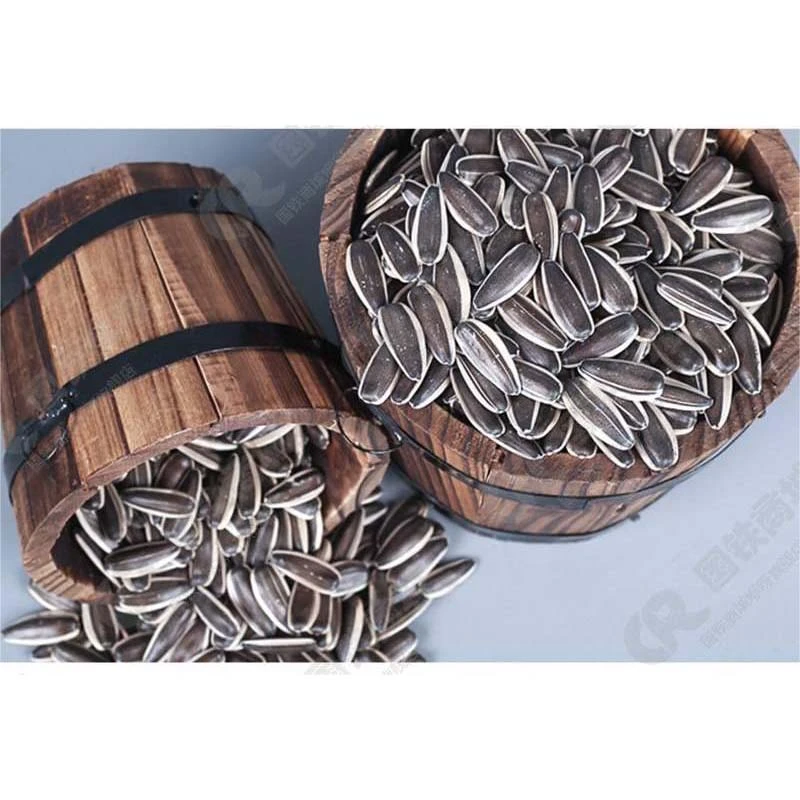
Melon seed production and trade, particularly from China, represents a significant segment of the global snack food industry. These seeds, derived from various Cucurbita species, are consumed roasted, seasoned, or processed into oils and other food products. This technical guide provides an in-depth examination of the material science, manufacturing processes, performance characteristics, potential failure modes, and industry standards associated with commercially available Chinese melon seeds. The increasing demand for high-quality, safe, and consistently performing melon seeds necessitates a thorough understanding of the factors influencing their properties from farm to consumer. Key performance indicators include seed size uniformity, oil content, moisture content, germination rate (for seeds intended for replanting), and the absence of harmful contaminants. This guide will address the core challenges facing procurement managers and quality control engineers involved in sourcing melon seeds from China, covering aspects of raw material quality, processing techniques, and regulatory compliance.
Material Science & Manufacturing
Melon seeds primarily consist of lipids (30-50% by weight), proteins (20-30%), carbohydrates (10-20%), and fiber. The lipid composition varies depending on the melon variety and growing conditions, influencing oil quality and flavor profiles. The seed coat, composed primarily of cellulose and lignin, provides a protective barrier. Raw material sourcing is critical; seed quality is directly related to cultivar selection, soil composition, climate, and agricultural practices. Manufacturing begins with harvesting and cleaning to remove debris and damaged seeds. Drying is crucial to reduce moisture content (typically to 8-10%) to prevent fungal growth and maintain quality during storage. Roasting, a primary processing step, involves controlled heating to develop flavor and crispness. This process induces Maillard reactions and caramelization of sugars, producing desirable aroma compounds. Key parameters include roasting temperature (typically 120-180°C), duration, and atmospheric control (to minimize oxidation). Seasoning, employing salt, spices, and flavor enhancers, follows roasting. Quality control at each stage includes size grading, density separation (to remove empty or underdeveloped seeds), and visual inspection. Recent advancements include enzymatic treatments to enhance digestibility and extraction technologies for optimized oil yield. Control of aflatoxin levels during drying and storage is paramount, requiring regular testing and adherence to strict hygiene protocols. The physical properties (hardness, size, shape) are meticulously controlled using automated sorting and grading machinery.
Performance & Engineering
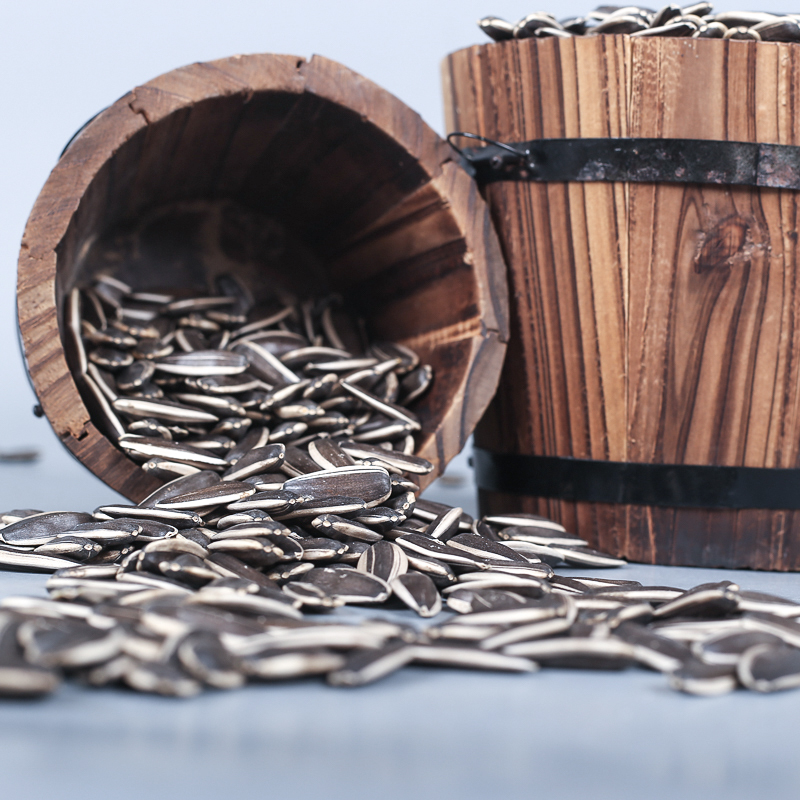
The performance of melon seeds is evaluated based on several key engineering parameters. Shear force analysis determines the crispness and texture of roasted seeds, correlating with consumer preference. Moisture content, typically measured using a Karl Fischer titration, directly affects shelf life and susceptibility to microbial spoilage. Oil content, determined via Soxhlet extraction, is a critical quality parameter impacting nutritional value and flavor. Packaging plays a vital role in preserving seed quality. Barrier properties, specifically oxygen transmission rate (OTR) and water vapor transmission rate (WVTR), of packaging materials are crucial to prevent oxidation and moisture absorption. Finite element analysis (FEA) can be used to optimize packaging design for impact resistance during transportation and handling. Compliance with food safety regulations, including limits for heavy metals (lead, cadmium, arsenic) and pesticide residues, is essential. Aflatoxin contamination is a critical safety concern, requiring rigorous testing using ELISA or HPLC methods. Furthermore, the packaging material must adhere to standards for food contact materials, ensuring no migration of harmful substances into the seeds. Shelf life studies, conducted under controlled temperature and humidity conditions, determine the expiration date and recommended storage conditions. The engineering of the roasting process to minimize acrylamide formation is also a key performance consideration.
Technical Specifications
| Parameter | Unit | Typical Value (Gourd Seeds) | Typical Value (Pumpkin Seeds) |
|---|---|---|---|
| Moisture Content | % (w/w) | 8.0 - 10.0 | 7.5 - 9.5 |
| Oil Content | % (w/w) | 45 - 55 | 30 - 45 |
| Protein Content | % (w/w) | 25 - 35 | 28 - 38 |
| Aflatoxin B1 | ppb | < 5 | < 5 |
| Seed Size (Average Diameter) | mm | 8-12 | 10-15 |
| Shear Force (Roasted) | N | 5-10 | 8-12 |
Failure Mode & Maintenance
Common failure modes in melon seeds include rancidity due to lipid oxidation, leading to off-flavors and reduced nutritional value. This is accelerated by exposure to oxygen, light, and high temperatures. Hygroscopic behavior results in moisture absorption, promoting microbial growth and textural changes (loss of crispness). Physical damage during handling and transportation can cause seed coat cracking, increasing susceptibility to oxidation and insect infestation. Aflatoxin contamination represents a critical safety failure mode, necessitating rigorous preventative measures and quality control. Delamination of the seed coat can occur due to improper drying or excessive roasting. Maintenance of seed quality requires appropriate storage conditions – cool, dry, and dark environments with controlled humidity. Packaging must provide adequate barrier protection. Regular monitoring of moisture content and aflatoxin levels is essential. First-in, first-out (FIFO) inventory management minimizes storage duration and reduces the risk of degradation. Implementation of a robust Hazard Analysis and Critical Control Points (HACCP) plan is crucial for ensuring food safety throughout the supply chain. Furthermore, appropriate pest control measures in storage facilities are vital to prevent insect damage and contamination.
Industry FAQ
Q: What are the critical factors determining the oil quality of melon seeds sourced from China?
A: Oil quality is significantly influenced by the melon cultivar, growing conditions (soil type, climate), and post-harvest processing methods. The fatty acid profile, specifically the ratio of saturated to unsaturated fats, is a key determinant. Minimizing exposure to high temperatures during roasting is crucial to prevent oxidative degradation of the oil. Regular analysis of peroxide value and acid value provides an indication of oil rancidity.
Q: How do Chinese suppliers typically address the issue of aflatoxin contamination in melon seeds?
A: Reputable Chinese suppliers employ several strategies, including sourcing seeds from regions with low aflatoxin prevalence, implementing rigorous pre-harvest and post-harvest monitoring programs, utilizing proper drying techniques to minimize moisture content, and employing sorting technologies to remove contaminated seeds. Regular testing using ELISA or HPLC is standard practice.
Q: What packaging materials are recommended for maintaining the crispness and preventing rancidity during long-term storage and transportation?
A: Multi-layer films incorporating aluminum foil or metallized polyester provide excellent barrier protection against oxygen and moisture. Modified atmosphere packaging (MAP), utilizing nitrogen flushing, can further reduce oxidation. The packaging material must also be food-grade and comply with relevant regulations.
Q: What quality control certifications should I look for when sourcing melon seeds from Chinese manufacturers?
A: Key certifications include ISO 22000 (Food Safety Management System), HACCP certification, and potentially organic certifications if applicable. A supplier audit, verifying adherence to quality control procedures and traceability systems, is also highly recommended. Verification of compliance with relevant Chinese national standards (GB standards) is crucial.
Q: What is the typical lead time for bulk orders of melon seeds from China, and what logistical considerations should be taken into account?
A: Lead times typically range from 4-8 weeks, depending on order volume and seasonal availability. Logistical considerations include transportation mode (sea freight is most common for bulk orders), port congestion, customs clearance procedures, and temperature control during transit to prevent degradation.
Conclusion
The quality and safety of Chinese melon seeds are contingent upon a complex interplay of factors spanning agricultural practices, processing techniques, packaging, and logistical considerations. A thorough understanding of the material science underpinning seed composition, coupled with rigorous quality control measures at each stage of the supply chain, is paramount for mitigating risks and ensuring a consistently high-quality product. The technical parameters outlined in this guide provide a framework for evaluating supplier capabilities and establishing clear quality specifications.
Moving forward, advancements in seed breeding, optimized roasting technologies, and sustainable packaging solutions will continue to shape the industry. Proactive monitoring of evolving regulatory standards and consumer preferences is essential for maintaining a competitive edge. Furthermore, fostering transparent and collaborative relationships with Chinese suppliers is critical for ensuring traceability and accountability throughout the supply chain.
