
Introduction
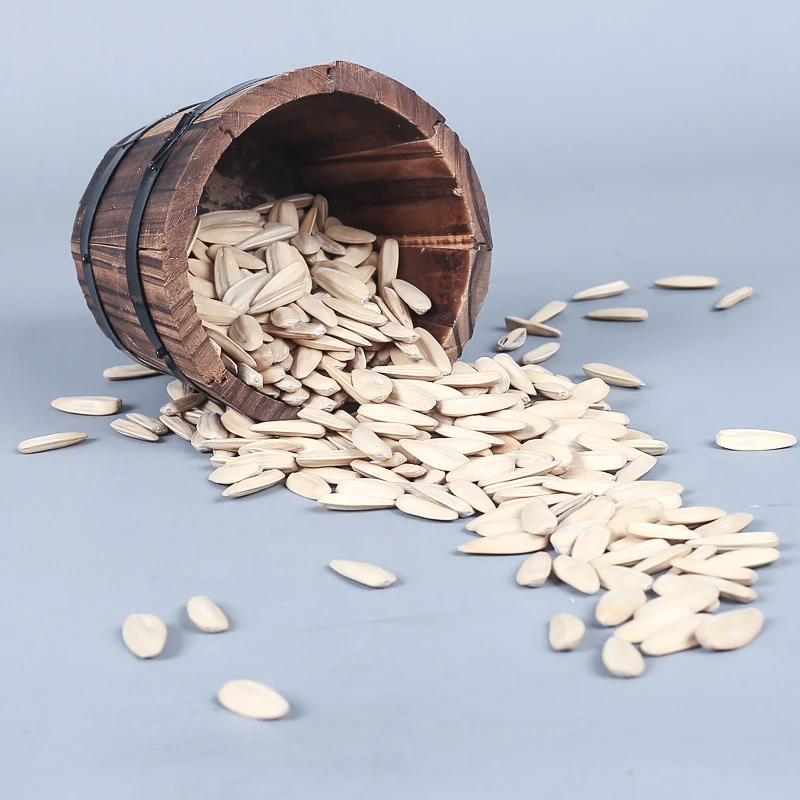
China butterscotch melon seeds ( Cucumis melo var. saccharinus) represent a specific cultivar within the melon family, primarily cultivated for its edible seeds rather than the fruit itself. These seeds, exhibiting a characteristic pale tan to light brown coloration and a unique sweet flavor, occupy a niche agricultural position within the Chinese snack food industry. Unlike typical melon cultivation focused on fruit yield and quality, the production of butterscotch melon seeds prioritizes seed size, density, and the development of a concentrated saccharide content within the seed coat. This distinguishes them from seeds destined for replanting, which are assessed for viability and germination rates. The technical importance of these seeds lies in consistent seed quality, minimizing seed dormancy (leading to inconsistent sweetness), and maintaining optimal moisture content for storage and processing. The primary end-use applications are direct consumption as a snack, incorporation into confectionery products, and increasingly, as a component in health food formulations due to their lipid and protein content. A key industry challenge centers on maintaining genetic stability of the sweet characteristic and preventing fungal contamination during drying and storage.
Material Science & Manufacturing
The primary material science considerations for china butterscotch melon seeds revolve around the composition of the seed coat and the endosperm. The seed coat, primarily composed of cellulose and lignin, provides a protective barrier. Its thickness and porosity directly influence moisture absorption and resistance to microbial growth. The endosperm, constituting the bulk of the seed, is rich in lipids (approximately 30-40% by weight, predominantly linoleic acid), proteins (25-35%, including globulins and albumins), and carbohydrates (primarily starch, with a significant proportion converted to sucrose and other simple sugars responsible for the characteristic sweetness). The manufacturing process begins with controlled pollination to ensure cultivar purity. Harvest occurs when the melon reaches physiological maturity, indicated by a distinct change in rind color and a slight weakening of the peduncle. Seeds are extracted manually or mechanically, followed by a crucial washing and grading step to remove pulp residue and damaged seeds. The drying process is critical; traditionally, sun-drying was employed, but modern methods favor low-temperature, forced-air drying to minimize oxidation of lipids and preserve sugar content. Temperature control is paramount – exceeding 45°C can lead to undesirable flavor development and reduced sweetness. Moisture content is reduced to approximately 8-10% for optimal storage stability. Post-drying, seeds undergo a final grading and polishing step, often employing air classification techniques to separate seeds based on size and density. Parameter control focuses on drying temperature, drying time, seed moisture content, and the implementation of strict hygiene protocols to prevent Aspergillus contamination.
Performance & Engineering
Performance evaluation of china butterscotch melon seeds centers on several key engineering properties. Shear force analysis is used to assess the brittleness of the seed coat; a lower shear force indicates a more easily fractured seed, preferred for consumer acceptance. The bulk density, typically ranging from 600-700 kg/m³, influences packaging efficiency and shipping costs. Water activity (Aw), a critical parameter for microbial stability, must be maintained below 0.6 to inhibit mold growth. Lipid oxidation stability is evaluated through rancidity tests (e.g., Peroxide Value) and accelerated aging studies. The engineering challenges associated with these seeds lie in maintaining their structural integrity during processing and transportation. Impact resistance testing is used to assess vulnerability to damage during handling. Packaging materials must provide an effective barrier to moisture and oxygen to prevent degradation. Furthermore, the design of processing equipment (e.g., graders, polishers) must minimize seed breakage. Environmental resistance considerations focus on temperature and humidity control during storage; elevated temperatures accelerate lipid oxidation, while high humidity promotes microbial growth. Compliance requirements necessitate adherence to Chinese national food safety standards (GB standards, specifically GB 5570 relating to food hygiene) and potentially, import regulations of destination countries, often requiring certificates of analysis confirming compliance with maximum residue limits for pesticides and heavy metals.
Technical Specifications
| Parameter | Unit | Typical Value | Test Method |
|---|---|---|---|
| Seed Moisture Content | % (w/w) | 8-10 | GB 5005-2008 (Oven Drying Method) |
| Lipid Content | % (w/w) | 30-40 | GB/T 9163-2008 (Soxhlet Extraction) |
| Protein Content | % (w/w) | 25-35 | Kjeldahl Method (GB/T 6436-2002) |
| Total Sugar Content (as Sucrose) | % (w/w) | 15-25 | Lane-Eynon Method (GB/T 12877-2008) |
| Water Activity (Aw) | - | < 0.6 | Water Activity Meter (e.g., Novasina) |
| Seed Size (Average Diameter) | mm | 8-12 | Sieve Analysis (GB/T 178-2002) |
Failure Mode & Maintenance
Failure modes for china butterscotch melon seeds predominantly relate to degradation of quality during storage and handling. Lipid oxidation is a primary failure mechanism, leading to rancidity and off-flavors. This is exacerbated by exposure to oxygen, light, and elevated temperatures. Physical damage, such as cracking or chipping, can occur during processing and transportation, increasing susceptibility to moisture absorption and microbial contamination. Microbial growth, particularly Aspergillus flavus and Aspergillus parasiticus, can result in the production of aflatoxins, rendering the seeds unsafe for consumption. Seed dormancy, inconsistent genetic variation, and improper drying also contribute to failure – resulting in seeds lacking the desirable sweetness. Maintenance strategies focus on proper storage conditions: low temperature (5-10°C), low humidity (60-70% RH), and protection from light. Packaging should utilize moisture and oxygen barrier materials. Regular monitoring of moisture content, water activity, and aflatoxin levels is crucial. Implementing a first-in, first-out (FIFO) inventory management system minimizes storage time. Preventative measures during processing include meticulous cleaning and sanitation of equipment, coupled with rigorous quality control checks at each stage of production. Periodic analysis of seed viability and sugar content is essential to detect early signs of degradation and ensure consistent product quality. Addressing seed dormancy through controlled pre-treatment (e.g., stratification) can improve germination if replanting is required.
Industry FAQ
Q: What is the primary factor influencing the sweetness level of these seeds, and how is it controlled?
A: The sweetness level is primarily determined by the conversion of starch to sucrose and other simple sugars during maturation and post-harvest drying. Control relies on harvesting at optimal maturity, utilizing low-temperature drying methods to preserve sugar content, and maintaining genetic consistency of the cultivar. Seed storage conditions also play a role; improper storage can lead to sugar degradation.
Q: What are the critical quality control measures to prevent aflatoxin contamination?
A: Preventing aflatoxin contamination requires a multi-faceted approach. Strict hygiene protocols during harvesting, processing, and storage are essential. Thorough cleaning of seeds to remove debris and damaged kernels is crucial. Maintaining low moisture content (below 8-10%) and water activity (below 0.6) inhibits fungal growth. Regular testing for aflatoxin levels using ELISA or HPLC methods is mandatory.
Q: How does seed size and density correlate with overall product quality?
A: Larger, denser seeds generally contain a higher proportion of endosperm, resulting in a more substantial and flavorful snack. Seed size is also an indicator of maturity and proper development. Density correlates with lipid content; higher density seeds typically have a higher oil content, contributing to a richer taste.
Q: What packaging materials are recommended to maximize shelf life and prevent rancidity?
A: Packaging materials with excellent barrier properties against oxygen and moisture are recommended. Multi-layer films incorporating aluminum foil or metallized polyester offer superior protection. Modified atmosphere packaging (MAP) with nitrogen flushing can further reduce oxygen levels. Dark-colored packaging can minimize light-induced oxidation.
Q: What are the typical storage conditions to maintain optimal seed quality over an extended period?
A: Optimal storage conditions include a temperature range of 5-10°C, a relative humidity of 60-70%, and protection from direct sunlight. Seeds should be stored in airtight containers made of appropriate barrier materials. Regular monitoring of temperature, humidity, and seed quality is recommended.
Conclusion
China butterscotch melon seeds represent a specialized agricultural product demanding precise control over cultivation, processing, and storage to ensure consistent quality and safety. The unique sweet flavor profile, driven by carbohydrate metabolism within the seed, is highly susceptible to degradation through improper handling and environmental factors. Maintaining low moisture content, minimizing lipid oxidation, and preventing microbial contamination are paramount concerns for manufacturers.
Future developments in this sector will likely focus on genetic improvements to enhance sweetness and improve resistance to fungal pathogens, alongside the implementation of advanced packaging technologies to extend shelf life and maintain optimal sensory characteristics. Adherence to stringent quality control measures and compliance with international food safety standards will be essential for expanding market access and establishing a reputation for high-quality, safe products.
