Introduction
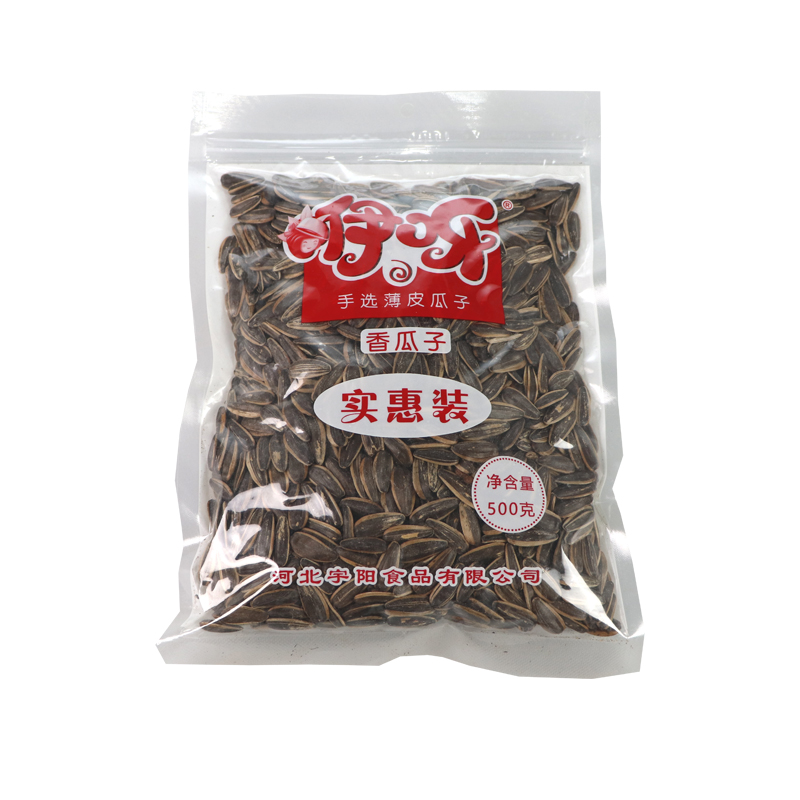
China bulk sunflower seeds represent a significant commodity within the global oilseed market, serving as a primary source of vegetable oil, confectionary snacks, and animal feed. The industry chain extends from agricultural cultivation and harvesting, through processing facilities implementing dehulling, drying, and grading procedures, to international export and downstream applications. Core performance characteristics center on oil content, protein concentration, kernel size and weight, moisture content, and the absence of foreign material and mycotoxins. The consistent supply and competitive pricing of Chinese sunflower seeds have positioned them as a key ingredient for food manufacturers and agricultural businesses worldwide. A major industry pain point revolves around maintaining consistent quality across large-scale production, particularly concerning aflatoxin contamination and meeting stringent import regulations of various countries. Another critical challenge is efficient logistical handling to prevent kernel damage and maintain seed viability during transport.
Material Science & Manufacturing
Sunflower seeds ( Helianthus annuus ) are composed primarily of lipids (40-55%), proteins (18-25%), carbohydrates (15-20%), and fiber (5-10%), with minor contributions from vitamins and minerals. The lipid profile is dominated by linoleic acid (omega-6) and oleic acid (omega-9), with the ratio impacting oil stability and nutritional value. Protein composition includes essential amino acids crucial for nutritional applications. Manufacturing begins with harvesting at optimal maturity, indicated by seed moisture content around 18-20%. Pre-cleaning removes large debris, followed by drying to reduce moisture to 8-9% for safe storage. Dehulling is a critical step, employing mechanical abrasion or impact to separate the kernel from the hull. Kernel sizing and grading are performed using screens and gravity separators, categorizing seeds based on size and weight. Parameter control during drying is paramount to prevent heat damage and cracking. Dehulling efficiency impacts oil yield and the quality of the resulting meal. Seed storage requires controlled temperature (below 15°C) and humidity (below 65%) to minimize lipid oxidation and fungal growth. Processing variations include hot air drying, vacuum drying, and fluidized bed drying, each influencing seed quality and energy consumption.

Performance & Engineering
The mechanical strength of sunflower seed kernels is crucial for withstanding handling and processing stresses. Force analysis during dehulling reveals peak force requirements determined by hull thickness and kernel moisture content. Impact resistance during transportation must prevent kernel cracking, impacting oil yield and quality. Environmental resistance focuses on preventing moisture re-absorption and oxidation. Packaging materials play a vital role in maintaining low moisture permeability and minimizing oxygen exposure. Compliance requirements vary by importing country, often governed by regulations from organizations like the FDA (USA) and EFSA (Europe). Aflatoxin levels are rigorously monitored, typically requiring levels below 20 ppb for human consumption and 5 ppb for animal feed. The oil extraction process requires precise control of temperature and pressure to maximize yield and preserve oil quality. Engineering considerations include minimizing seed breakage during extraction, optimizing solvent recovery (if applicable), and ensuring efficient oil refining processes to remove undesirable compounds like free fatty acids and phospholipids. Furthermore, the structural integrity of storage facilities – humidity control, temperature regulation, and pest control – is crucial for preserving seed quality and preventing losses.
Technical Specifications
| Oil Content (%) | Protein Content (%) | Kernel Size (mm) | Moisture Content (%) | Aflatoxin Level (ppb) | Foreign Matter (%) |
|---|---|---|---|---|---|
| 48-52 | 20-24 | 10-13 | 8-9 | <20 | <1 |
| 50-55 | 22-26 | 12-15 | 7-8 | <10 | <0.5 |
| 45-50 | 18-22 | 9-12 | 9-10 | <25 | <1.5 |
| 52-56 | 24-28 | 13-16 | 6-7 | <5 | <0.3 |
| 46-51 | 19-23 | 11-14 | 8.5-9.5 | <15 | <0.8 |
| 49-54 | 21-25 | 10-13 | 7-9 | <8 | <0.6 |
Failure Mode & Maintenance
Sunflower seed kernels are susceptible to several failure modes. Fatigue cracking can occur during handling and transportation due to repeated stress. Delamination arises from improper drying or storage conditions, leading to kernel separation. Lipid oxidation, accelerated by exposure to oxygen, heat, and light, results in rancidity and reduced oil quality. Aflatoxin contamination, caused by Aspergillus fungi, is a significant food safety concern. Insect infestation during storage can lead to seed damage and quality degradation. Preventative maintenance focuses on strict quality control during harvesting and processing, maintaining optimal storage conditions (temperature, humidity, and ventilation), and implementing effective pest management programs. Regular monitoring for aflatoxin levels is crucial. Kernel damage should be minimized through gentle handling procedures and appropriate packaging. Properly dried and stored seeds exhibit extended shelf life. Visual inspection for mold growth, insect activity, and kernel damage is essential. Regular cleaning of storage facilities prevents pest build-up. Seed viability should be periodically tested to ensure germination rates remain acceptable for breeding purposes.
Industry FAQ
Q: What are the primary factors influencing the oil yield from Chinese sunflower seeds?
A: Oil yield is significantly influenced by seed variety, growing conditions (temperature, rainfall, sunlight), maturity at harvest, and the efficiency of the oil extraction process. Higher oil content varieties generally produce greater yields. Proper drying and dehulling techniques are critical to minimizing losses. Optimization of temperature and pressure during extraction also plays a vital role.
Q: How are aflatoxin levels monitored and controlled in bulk sunflower seed exports?
A: Aflatoxin levels are monitored through regular sampling and laboratory analysis using methods like ELISA or HPLC. Strict quality control measures during pre-harvest, harvest, drying, and storage are implemented to minimize fungal growth. Seed sorting and cleaning remove visibly contaminated kernels. Chemical treatments (where permitted by regulations) can inhibit fungal growth. Maintaining low moisture content and proper ventilation are crucial preventative measures.
Q: What packaging options are recommended for long-term storage and international shipment of sunflower seeds?
A: Recommended packaging includes polypropylene (PP) woven bags with polyethylene (PE) liners, offering good moisture resistance and strength. Bulk bags (FIBCs) are suitable for large volumes. Vacuum packaging or modified atmosphere packaging (MAP) can extend shelf life by reducing oxygen exposure. Packaging materials should be food-grade and comply with relevant import regulations.
Q: What are the key differences between high-oleic and linoleic sunflower seed varieties, and how do these impact their applications?
A: High-oleic varieties contain a higher proportion of oleic acid (omega-9), resulting in greater oxidative stability and a longer shelf life. They are preferred for frying oils and applications requiring heat stability. Linoleic varieties are richer in linoleic acid (omega-6), making them suitable for nutritional applications where omega-6 fatty acids are desired. The choice depends on the intended end-use.
Q: What is the impact of moisture content on the quality and shelf life of stored sunflower seeds?
A: Moisture content is a critical factor. Higher moisture levels promote fungal growth, leading to aflatoxin contamination and reduced seed viability. They also accelerate lipid oxidation, causing rancidity. Maintaining a moisture content of 8-9% is essential for long-term storage and preserving seed quality. Proper drying and moisture-barrier packaging are crucial.
Conclusion
China bulk sunflower seeds represent a significant and complex agricultural commodity requiring stringent quality control across the entire supply chain. Maintaining optimal moisture content, minimizing aflatoxin contamination, and preserving oil quality are paramount concerns. Understanding the material science properties of the seeds, coupled with precise control of manufacturing processes like drying, dehulling, and grading, is essential for delivering a consistent and high-quality product.
Future trends in the industry will likely focus on developing improved seed varieties with higher oil content and enhanced resistance to pests and diseases. Adoption of advanced storage technologies, including controlled atmosphere storage and real-time monitoring systems, will be crucial for preserving seed quality and extending shelf life. Furthermore, continued research into methods for minimizing aflatoxin contamination and ensuring food safety will remain a priority.
