Introduction
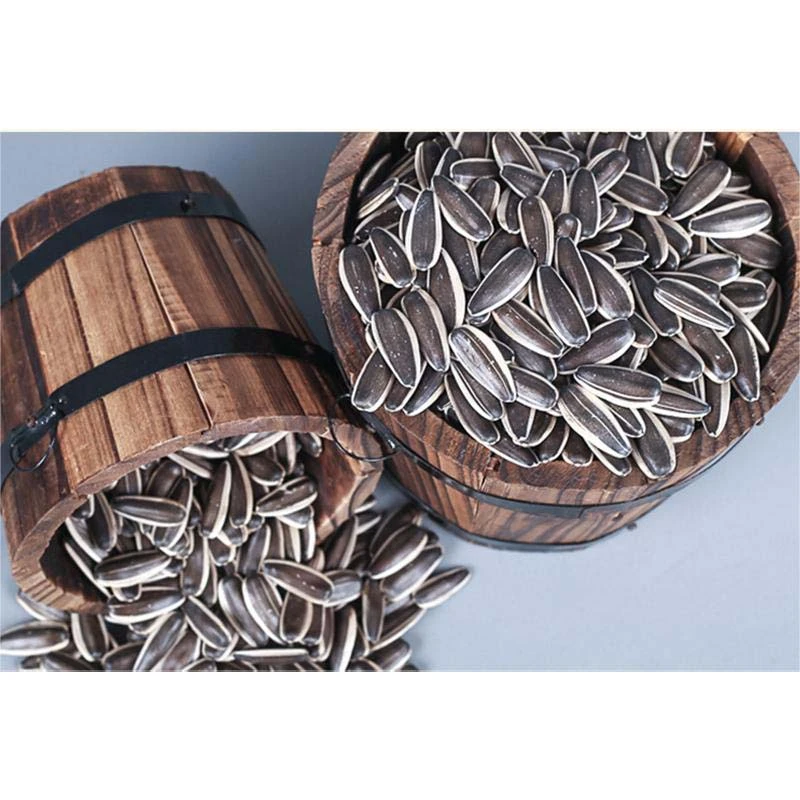
China bulk sunflower seeds for eating represent a significant commodity within the global agricultural market, primarily utilized as a direct consumption snack food. These seeds, typically Helianthus annuus, are processed for human consumption following harvesting, drying, and often, flavoring. Their technical position within the food supply chain is as a minimally processed agricultural product requiring stringent quality control measures, primarily centered around oil content, moisture levels, and the absence of aflatoxins. Core performance characteristics hinge on kernel size, oil yield, protein content, and the palatable qualities imparted by roasting and seasoning processes. The industry faces challenges related to consistent seed quality, effective aflatoxin mitigation, and maintaining competitive pricing within a globally sourced market. This guide provides a detailed technical overview of these seeds, covering material science, manufacturing processes, performance parameters, potential failure modes, and relevant industry standards.
Material Science & Manufacturing
Sunflower seeds consist of a seed coat (pericarp), kernel (cotyledon), and embryo. The pericarp provides structural protection and contains lignans, contributing to antioxidant properties. The kernel constitutes the primary edible portion, comprising approximately 40-55% oil, 20-30% protein, and 15-20% carbohydrates. The oil is rich in linoleic acid, an essential omega-6 fatty acid. Raw material selection focuses on high-oleic acid varieties for improved oxidative stability. Manufacturing begins with harvesting, typically utilizing combine harvesters. Post-harvest drying is critical, reducing moisture content to 8-10% to prevent fungal growth and aflatoxin production. This process often employs forced-air drying systems, carefully monitoring temperature to avoid denaturing proteins. Dehulling removes the pericarp, often mechanically, followed by size grading to separate kernels based on diameter. Roasting, typically performed using rotary drum roasters, develops characteristic flavor profiles. Roasting parameters – temperature (120-180°C) and duration (15-45 minutes) – are crucial for achieving optimal flavor and texture. Seasoning, involving the application of salt, flavor enhancers (MSG, spices), and coatings, is the final processing step. Parameter control during seasoning focuses on uniform coating distribution and adherence to food safety regulations regarding permissible additive levels. Storage involves controlled atmosphere packaging (MAP) utilizing nitrogen flushing to minimize oxidation and preserve freshness.
Performance & Engineering
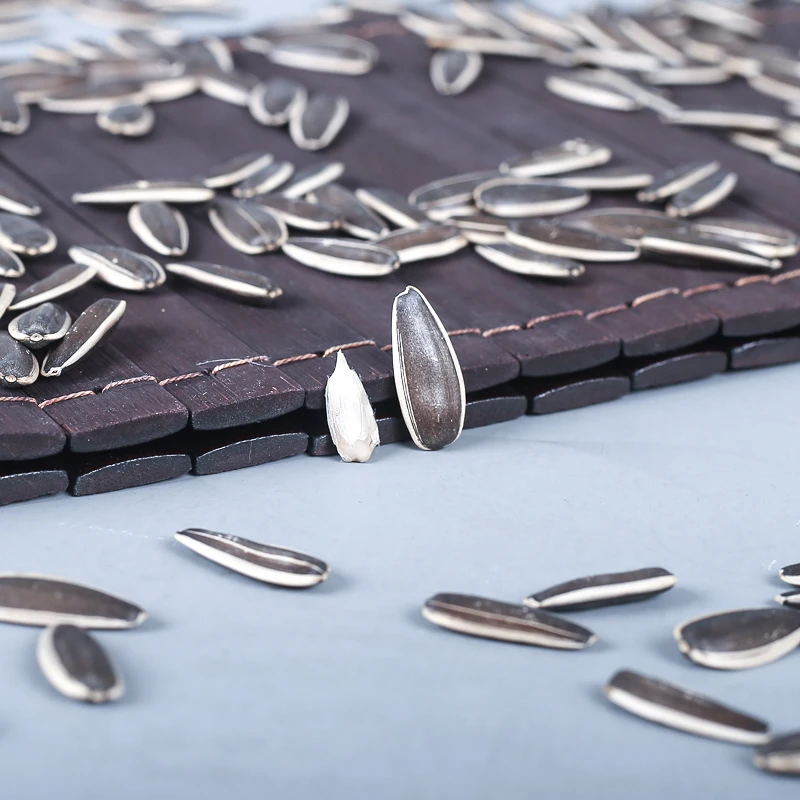
The performance of sunflower seeds as a food product is dictated by several engineering principles. Shear force analysis determines the optimal roasting level, balancing desirable crispness with avoidance of excessive brittleness that leads to breakage. Moisture content impacts shelf life and susceptibility to microbial growth; water activity (Aw) must be maintained below 0.6. Oil stability, a crucial aspect, is assessed via Rancimat testing, measuring induction time before oxidative rancidity develops. Packaging engineering focuses on barrier properties against oxygen, light, and moisture. The tensile strength of the packaging material is vital to withstand handling and transportation stresses. Compliance requirements include adherence to maximum residue limits (MRLs) for pesticides and heavy metals, as stipulated by regulatory bodies such as the FDA and EFSA. Furthermore, the seeds must comply with food safety standards like HACCP to mitigate biological hazards. Force analysis during dehulling optimizes machine settings to minimize kernel damage, increasing yield and quality. The thermal properties during roasting are governed by heat transfer principles, aiming for uniform heating to prevent localized scorching. The nutritional profile – fat, protein, fiber, vitamins (E), and minerals (magnesium, selenium) – defines the health benefits and market appeal of the product.
Technical Specifications
| Parameter | Unit | Typical Value | Test Method |
|---|---|---|---|
| Oil Content (Dry Basis) | % | 48-58 | Soxhlet Extraction (GB/T 5009.4) |
| Moisture Content | % | 8-10 | Oven Drying (GB/T 5009.3) |
| Protein Content (Dry Basis) | % | 22-28 | Kjeldahl Method (GB/T 5009.5) |
| Aflatoxin B1 | µg/kg | <2 | HPLC (GB 50008.199) |
| Kernel Size (Diameter) | mm | 8-12 | Sieve Analysis |
| Acid Value | mg KOH/g | <0.5 | Titration (GB/T 5009.8) |
Failure Mode & Maintenance
Sunflower seeds are susceptible to several failure modes impacting quality and shelf life. Aflatoxin contamination, caused by Aspergillus flavus and Aspergillus parasiticus fungi, is a major concern, necessitating rigorous pre- and post-harvest controls. Lipid oxidation leads to rancidity, affecting flavor and nutritional value; this is accelerated by exposure to oxygen, light, and high temperatures. Mechanical damage during dehulling and handling results in broken kernels, reducing market value. Insect infestation can occur during storage if preventative measures are inadequate. Moisture absorption causes clumping and promotes microbial growth. Maintenance of optimal storage conditions – low temperature (below 15°C), low humidity (below 65%), and inert atmosphere packaging – are crucial for preventing these failures. Regular monitoring of aflatoxin levels, oil quality (peroxide value, acid value), and insect activity is essential. Implementing a robust pest control program and maintaining hygienic storage facilities are also vital. Packaging materials should be inspected for integrity and replaced if compromised. Proper rotation of stock, following a First-In, First-Out (FIFO) principle, minimizes the risk of prolonged storage and degradation.
Industry FAQ
Q: What are the critical control points for minimizing aflatoxin contamination in bulk sunflower seeds?
A: Critical control points include pre-harvest monitoring for insect damage (which provides entry points for Aspergillus), prompt and thorough drying of harvested seeds to below 10% moisture content, proper storage conditions (low temperature and humidity), and regular testing for aflatoxin levels at various stages of processing. Implementing a robust quality control system with documented procedures is essential.
Q: How does the oil content affect the shelf life and flavor stability of sunflower seeds?
A: Higher oil content generally correlates with a shorter shelf life due to increased susceptibility to lipid oxidation. However, selecting high-oleic acid varieties significantly improves oxidative stability. Proper packaging and storage conditions (nitrogen flushing, low temperature) further mitigate oxidation and preserve flavor.
Q: What is the significance of kernel size and uniformity in the processing of sunflower seeds?
A: Uniform kernel size facilitates efficient dehulling and roasting, minimizing breakage and improving product quality. Size grading ensures consistent roasting and seasoning, leading to a more appealing final product. Variations in kernel size can create inconsistencies in texture and flavor.
Q: What packaging materials are best suited for maintaining the quality of bulk sunflower seeds during long-term storage and transportation?
A: Multi-layer films with high barrier properties against oxygen, moisture, and light are recommended. Materials such as metallized PET/PE or EVOH/PE laminates offer excellent protection. Packaging should also be robust enough to withstand handling and transportation stresses. Nitrogen flushing before sealing further enhances shelf life.
Q: What are the common causes of rancidity in sunflower seeds, and how can it be prevented?
A: Rancidity is primarily caused by the oxidation of unsaturated fatty acids in the oil. Contributing factors include exposure to oxygen, light, heat, and the presence of metal contaminants. Prevention strategies involve using high-oleic acid varieties, employing antioxidant additives (within regulatory limits), proper packaging, and maintaining low storage temperatures.
Conclusion
China bulk sunflower seeds for eating represent a complex agricultural product demanding meticulous attention to detail throughout the entire supply chain. Maintaining high quality necessitates careful material selection, precise process control during manufacturing (drying, dehulling, roasting, seasoning), and robust storage and packaging protocols. The key performance indicators – oil content, moisture level, aflatoxin concentration, and oxidative stability – must be continuously monitored and controlled to meet stringent regulatory requirements and consumer expectations.
Looking forward, advancements in seed breeding focused on enhancing oil stability and aflatoxin resistance, coupled with the implementation of innovative packaging technologies, will further improve the quality and safety of this important food commodity. Continued investment in quality control infrastructure and adherence to international standards are crucial for ensuring the long-term sustainability and competitiveness of the Chinese sunflower seed industry.
