
Introduction
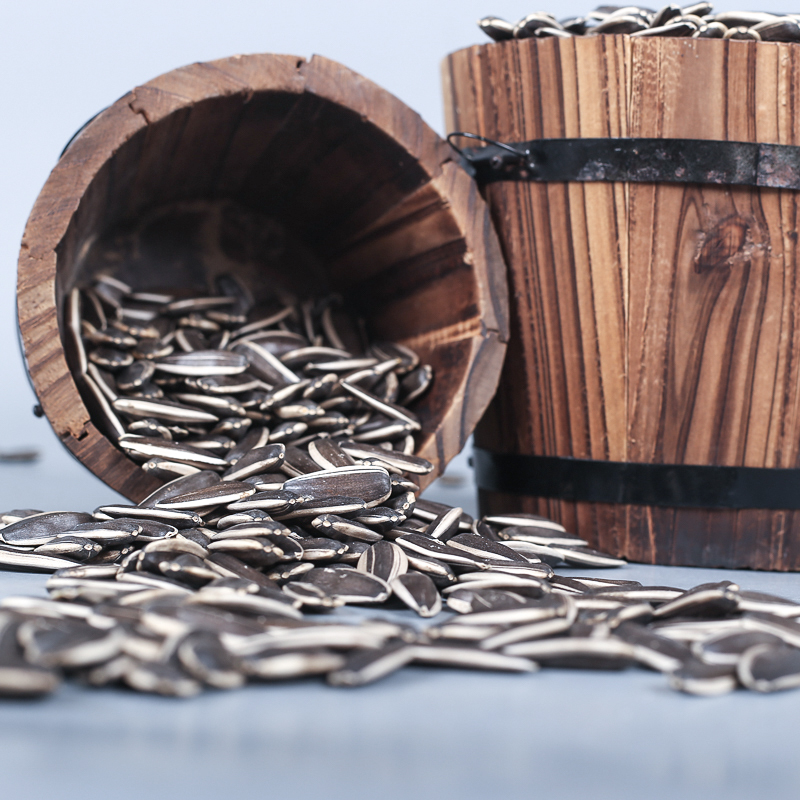
China bulk black sunflower seeds represent a significant commodity within the global edible seed market, primarily utilized for human consumption, bird feed, and oil extraction. Technically classified as Helianthus annuus, these seeds differ from their lighter-colored counterparts through pigmentation derived from higher concentrations of melanin in the seed coat. Positioned within the agricultural supply chain as a post-harvest product, their quality and usability are heavily influenced by pre-harvest conditions, harvesting techniques, post-harvest processing, and storage protocols. Core performance characteristics include oil content, protein content, moisture levels, hulling percentage, and freedom from contaminants like aflatoxins and heavy metals. The global demand for sunflower seeds continues to rise, driven by increasing health consciousness regarding polyunsaturated fatty acids and vitamin E, making consistent quality control paramount for producers and international trade.
Material Science & Manufacturing
The primary raw material, the sunflower seed itself, is composed of approximately 35-55% oil, 20-28% protein, 15-20% hull (seed coat), and 5-10% moisture. The oil is rich in linoleic acid, an essential omega-6 fatty acid. The seed coat contains lignans, compounds with antioxidant properties. Manufacturing commences with harvesting, typically mechanical, and subsequent drying to reduce moisture content to 8-10% to inhibit microbial growth and enzymatic activity. Cleaning processes utilizing sieves, aspirators, and destoners remove foreign materials like stems, leaves, and soil. Hulling, a critical step, separates the kernel (meat) from the hull. This is typically achieved through impact and friction methods, with careful control of impact force to minimize kernel damage. Grading is performed based on size and quality, typically employing screen sizes. Post-hulling, seeds undergo optical sorting to remove discolored or damaged kernels. Chemical compatibility considerations are important; contact with reactive metals should be avoided to prevent oxidation of the oils. Packaging materials must provide a barrier against moisture and oxygen. Parameter control during drying is crucial, maintaining temperatures below 60°C to preserve oil quality and prevent protein denaturation. Storage temperature and humidity must be carefully monitored to prevent rancidity and aflatoxin contamination.
Performance & Engineering
The performance of bulk black sunflower seeds is critically linked to their physical integrity and chemical composition. Force analysis during handling and transport reveals susceptibility to kernel breakage, influencing yield and market value. Hull strength, determined by impact testing, dictates the efficiency of the hulling process. Environmental resistance is paramount; exposure to elevated temperatures and humidity accelerates lipid oxidation, leading to rancidity and a decline in nutritional value. The seeds’ susceptibility to insect infestation and fungal growth necessitates appropriate storage and preservation techniques. Compliance requirements, particularly regarding aflatoxin levels, are governed by international food safety standards (discussed in the standards section). Functional implementation, specifically for oil extraction, is governed by oil yield, which is impacted by seed moisture content and processing parameters (temperature, pressure, solvent type). For direct consumption, kernel size and shape are critical for consumer acceptance. The rate of moisture vapor transmission (MVT) through packaging materials directly affects shelf life, requiring appropriate barrier properties. The bulk density of the seeds influences transportation costs and storage capacity; variations in density are linked to seed size and hulling percentage.
Technical Specifications
| Parameter | Unit | Typical Value (Range) | Test Method |
|---|---|---|---|
| Oil Content (Dry Basis) | % | 42-52 | Soxhlet Extraction (GB/T 5009.3) |
| Protein Content (Dry Basis) | % | 20-28 | Kjeldahl Method (GB/T 5009.5) |
| Moisture Content | % | 8-10 | Oven Drying (GB/T 5009.4) |
| Hulling Percentage | % | 65-75 | Visual Inspection and Weight Ratio |
| Aflatoxin B1 | ppb | <2 ppb | HPLC (GB 50008.198) |
| Kernel Size (Average Diameter) | mm | 8-12 | Sieve Analysis |
Failure Mode & Maintenance
Failure modes in bulk black sunflower seeds manifest across various stages. During storage, lipid oxidation (rancidity) is a primary concern, leading to off-flavors and reduced nutritional value. This is accelerated by exposure to oxygen, light, and elevated temperatures. Aflatoxin contamination, caused by Aspergillus flavus and Aspergillus parasiticus fungi, is a critical safety hazard, particularly in humid conditions. Kernel cracking and breakage during handling and processing reduces yield and product quality. Insect infestation can cause significant damage and contamination. Delamination of the seed coat can occur due to improper drying or excessive mechanical stress. Maintenance strategies involve strict temperature and humidity control during storage (below 15°C and 65% relative humidity), proper ventilation, and regular inspection for signs of infestation or mold growth. The use of oxygen absorbers and nitrogen flushing in packaging can mitigate oxidation. Implementing robust cleaning protocols to remove foreign materials minimizes the risk of contamination. Periodic laboratory analysis for aflatoxin levels is essential for quality assurance. Careful handling and processing procedures are needed to minimize kernel damage.
Industry FAQ
Q: What are the primary factors influencing aflatoxin contamination in bulk sunflower seeds?
A: Aflatoxin contamination is primarily influenced by environmental factors during pre- and post-harvest stages. Warm temperatures, high humidity, and insect damage create favorable conditions for Aspergillus fungi growth. Poor drying practices and inadequate storage facilities exacerbate the risk. Seed variety can also play a role, with some cultivars being more susceptible than others.
Q: How does hulling percentage affect the commercial value of the seeds?
A: Hulling percentage is a critical indicator of quality. Higher hulling percentages generally translate to a higher commercial value, as a greater proportion of the product is the edible kernel. Lower hulling percentages indicate increased waste and processing costs. Buyers typically offer premium prices for seeds with high hulling percentages and minimal kernel damage during the hulling process.
Q: What is the significance of oil content in determining the suitability of sunflower seeds for oil extraction?
A: Oil content is the most important parameter for seeds intended for oil extraction. Higher oil content directly translates to greater oil yield per unit of seed, increasing profitability. Oil quality, specifically the ratio of linoleic to oleic acid, also influences the end-product’s value. Seeds with consistent and high oil content are preferred by oil processing facilities.
Q: How do different packaging materials impact the shelf life of bulk sunflower seeds?
A: Packaging materials with low oxygen and moisture vapor transmission rates (OTR and WVTR) are crucial for extending shelf life. Materials like multilayer films with aluminum foil or metallized layers provide excellent barrier properties. Vacuum packaging or modified atmosphere packaging (MAP) with nitrogen flushing further reduces oxidation and microbial growth. Properly sealed packaging prevents moisture absorption, maintaining seed quality.
Q: What are the key differences in quality control protocols between seeds intended for direct consumption versus oil extraction?
A: Seeds for direct consumption require stricter quality control measures related to physical appearance, kernel size, and freedom from foreign materials. Aflatoxin levels are paramount. Oil extraction seeds prioritize oil content and minimal free fatty acids. While aflatoxin is still a concern, a slightly lower grade of appearance is acceptable as the oil extraction process often includes refining to remove impurities.
Conclusion
China bulk black sunflower seeds, as a versatile agricultural product, are subject to a complex interplay of biological, physical, and chemical factors influencing their quality and performance. Maintaining stringent control throughout the entire supply chain—from pre-harvest cultivation practices to post-harvest processing, storage, and packaging—is essential to meet demanding international standards for safety and quality. Optimizing parameters such as moisture content, hulling percentage, and aflatoxin levels not only ensures product integrity but also maximizes economic value.
Future trends will likely focus on breeding sunflower varieties with enhanced oil content, improved resistance to pests and diseases, and increased tolerance to adverse environmental conditions. Advanced processing technologies, such as supercritical fluid extraction and enzyme-assisted oil extraction, are expected to further improve oil yield and quality. Furthermore, sustainable agricultural practices and traceability systems will gain increasing importance in meeting consumer demands for environmentally responsible and ethically sourced products.
