Introduction
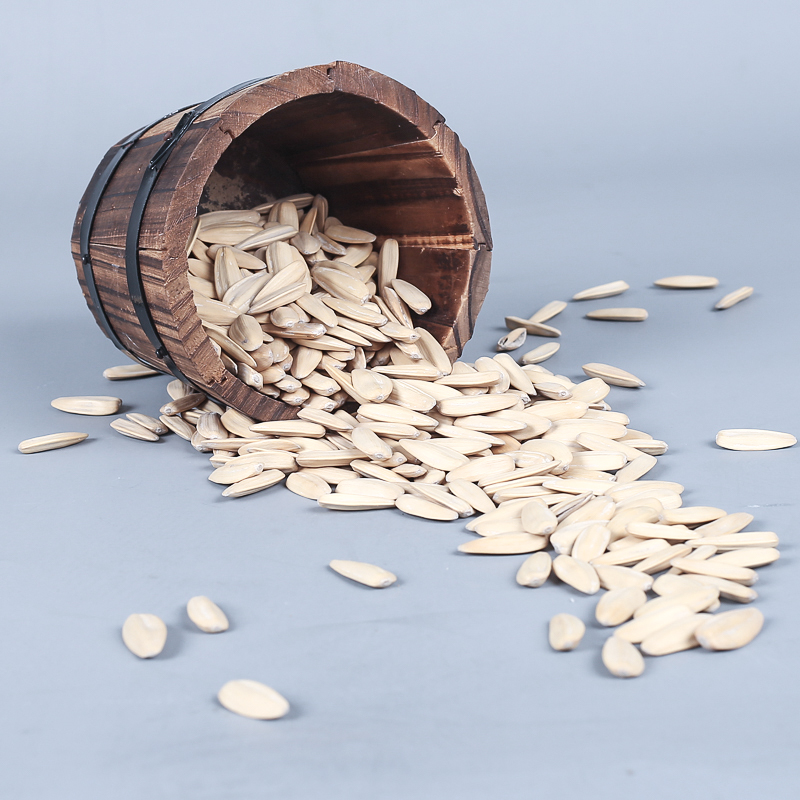
China black sunflower seeds for planting ( Helianthus annuus) represent a significant cultivar within the oilseed and confectionary agriculture sector. Positioned within the supply chain as a primary agricultural input, these seeds are critical for both oil extraction and direct human consumption. Their distinct dark hull coloration differentiates them from standard sunflower varieties, often indicating a unique genetic profile contributing to specific oil quality and seed size characteristics. Core performance metrics center around germination rate, oil content (typically 40-50% by weight), protein content, and overall seed yield per hectare. The increasing demand for high-oleic sunflower oil and the growing consumer preference for natural snacks drives the market for these specialized seeds. This technical guide provides an in-depth exploration of the material science, manufacturing processes, performance characteristics, potential failure modes, and industry standards associated with china black sunflower seeds for planting.
Material Science & Manufacturing
The fundamental material science of china black sunflower seeds revolves around the composition of the kernel and hull. The kernel consists primarily of oil (triglycerides, predominantly linoleic and oleic acids), protein (globulins, albumin, and glutelins), carbohydrates (primarily starch), and fiber. The hull, or pericarp, is composed of cellulose, hemicellulose, lignin, and a pigmented layer giving the seed its characteristic black color. This pigmentation is derived from anthocyanins and other phenolic compounds, which also contribute to antioxidant properties.
Manufacturing begins with seed selection, often utilizing density separation techniques to remove damaged or immature seeds. Hybridization is a crucial process, employing controlled pollination to optimize yield, oil content, and disease resistance. Harvesting typically occurs when the seed moisture content reaches 12-15%. Post-harvest processing involves drying (to reduce moisture content to 8-10% for storage), cleaning (removal of chaff, stems, and other debris), dehulling (optional, for confectionary uses), grading (based on seed size and uniformity), and treatment with fungicides or insecticides (as per regulatory requirements). Seed coating with polymers containing micronutrients and protectants is increasingly common. Precise control of drying temperatures is vital to prevent denaturation of proteins and oxidative degradation of oils. Storage conditions—low temperature (5-10°C) and humidity (below 60%)—are paramount to maintaining seed viability and preventing fungal growth. The quality of the parent plants, influenced by soil composition, irrigation, and fertilization, directly impacts the final seed characteristics.

Performance & Engineering
The performance of china black sunflower seeds is critically evaluated based on several engineering principles. Germination rate, a key indicator of seed quality, is influenced by seed moisture content, temperature, oxygen availability, and the presence of germination inhibitors. Force analysis related to seed handling and planting equipment dictates optimal seed shape and size to minimize damage and ensure consistent metering. Environmental resistance is paramount; seeds must withstand temperature fluctuations, moisture variations, and potential exposure to pathogens and pests. Compliance with phytosanitary regulations (ISPM 8) is essential for international trade, demanding rigorous pest and disease control measures.
The oil extraction process, typically employing mechanical pressing or solvent extraction (hexane), requires understanding the seed’s mechanical properties. Kernel hardness influences the efficiency of oil expulsion. Oil quality, assessed by acid value, peroxide value, and iodine value, dictates its suitability for different applications (e.g., edible oil, biodiesel). The structural integrity of the seed hull impacts its resistance to cracking during handling and processing. Furthermore, the tensile strength and elasticity of the seed coat play a role in maintaining seed dormancy and preventing premature germination. The breeding programs focus on increasing oil yield while maintaining desirable fatty acid profiles (high oleic/linoleic ratio) and improving tolerance to drought and common sunflower diseases such as downy mildew and rust.
Technical Specifications
| Parameter | Unit | Typical Value (China Black) | Standard Deviation |
|---|---|---|---|
| Germination Rate | % | 85 | 5 |
| Oil Content (Dry Basis) | % | 48 | 3 |
| Protein Content (Dry Basis) | % | 21 | 2 |
| Seed Weight (1000 Seeds) | g | 60 | 5 |
| Moisture Content (Harvest) | % | 12-14 | 1 |
| Hull Percentage | % | 30 | 4 |
Failure Mode & Maintenance
Several failure modes can affect the quality and performance of china black sunflower seeds. Mechanical damage during harvesting or handling can lead to cracked seeds, reducing germination rate and increasing susceptibility to fungal infection. Improper drying can result in excessive moisture content, promoting fungal growth (e.g., Aspergillus, Fusarium) and mycotoxin contamination. Storage under high temperature and humidity accelerates lipid peroxidation, reducing oil quality and seed viability. Insect infestation (e.g., weevils) can cause significant seed loss and damage. Genetic deterioration due to repeated cycles of seed propagation without proper breeding programs can lead to reduced yield and vigor. Furthermore, seed dormancy can be broken prematurely due to unfavorable environmental conditions, resulting in pre-harvest sprouting.
Maintenance strategies include implementing rigorous quality control measures throughout the supply chain—from field selection to storage. Proper drying and storage conditions are crucial, utilizing aeration and temperature control systems. Seed treatment with fungicides and insecticides can protect against fungal and insect infestations. Regularly monitoring seed viability through germination tests is essential. Utilizing certified seed sources and employing robust breeding programs to maintain genetic purity and vigor are paramount. For long-term storage, vacuum packaging and the addition of antioxidants can help preserve seed quality. Preventative measures such as proper field sanitation and integrated pest management are vital to minimize pre-harvest losses.
Industry FAQ
Q: What is the significance of the black hull color in these sunflower seeds?
A: The black hull color is primarily due to anthocyanin pigments. While aesthetically distinct, it often correlates with specific genetic traits that enhance oil quality—particularly increased levels of oleic acid—and can offer superior antioxidant properties compared to standard sunflower varieties. The pigmentation also provides some level of UV protection during seed development.
Q: How does storage temperature impact seed viability over extended periods?
A: Seed viability declines exponentially with increasing storage temperature. For long-term storage (over one year), maintaining a temperature below 5°C is crucial. Every 5°C increase in temperature can halve the seed's storage life. Maintaining low humidity (below 60%) is also essential to prevent moisture absorption and fungal growth.
Q: What are the key indicators of seed quality that should be assessed before planting?
A: Key indicators include germination rate (should be above 80%), seed purity (absence of weed seeds or other contaminants), seed vigor (ability to establish quickly and uniformly), and moisture content (should be between 8-10%). Physical inspection for damage, mold, or insect infestation is also critical.
Q: What types of phytosanitary treatments are typically required for international shipment of these seeds?
A: Compliance with ISPM 8 (International Standards for Phytosanitary Measures) is generally required. This typically involves visual inspection, seed sampling, and potentially, treatment with approved fumigants or insecticides to eliminate any harmful pests or diseases. Certification from a recognized plant health authority is often necessary.
Q: How does the oil content of these seeds compare to standard sunflower varieties, and what are the implications for oil processing?
A: China black sunflower seeds typically exhibit oil content comparable to or slightly higher than standard sunflower varieties, often ranging from 48-52%. The fatty acid profile may differ, with some cultivars possessing a higher oleic acid content. This can influence the refining process, requiring adjustments to optimize oil quality and yield. Higher oleic acid content translates to improved oxidative stability and longer shelf life of the resulting oil.
Conclusion
China black sunflower seeds for planting represent a specialized agricultural input characterized by distinct material properties and performance attributes. The success of cultivation and downstream processing relies heavily on meticulous attention to material science principles, including seed composition, moisture control, and genetic purity. Implementing robust quality control measures throughout the entire supply chain—from breeding and harvesting to storage and transportation—is paramount to maximizing seed viability, oil yield, and overall economic value.
Future advancements will likely focus on optimizing breeding programs for improved disease resistance, drought tolerance, and enhanced oil quality tailored to specific market demands. Furthermore, the development of advanced seed coating technologies and improved storage methods will contribute to extending seed shelf life and minimizing post-harvest losses. Continued research into the genetic basis of desirable traits will facilitate the development of even more efficient and sustainable sunflower production systems.
