Introduction
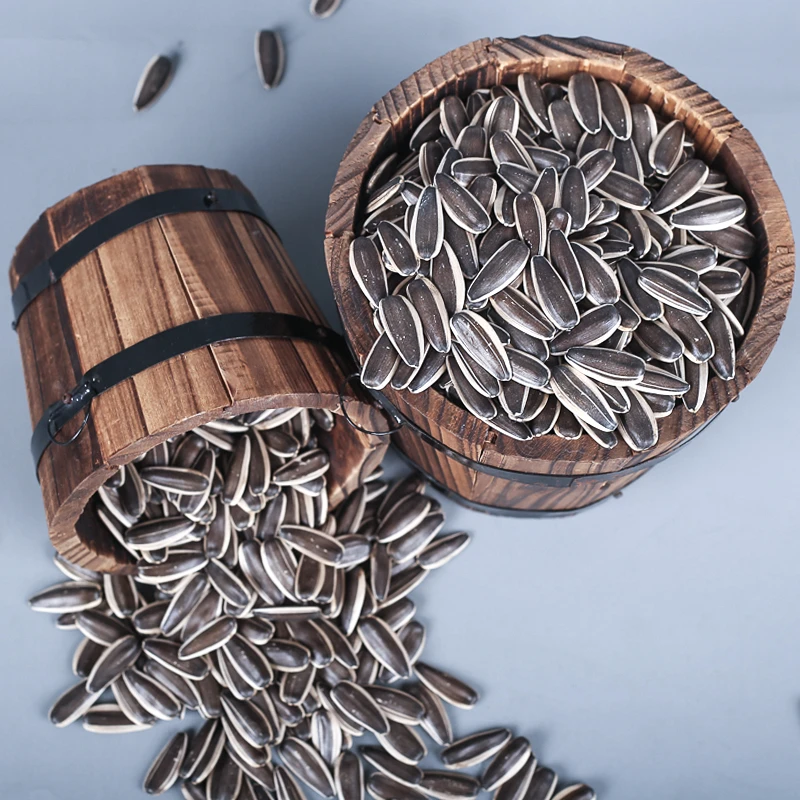
China black strip sunflower seeds ( Helianthus annuus) represent a significant cultivar within the sunflower seed industry, distinguished by their characteristic black hull with a distinctive striped pattern. These seeds occupy a specific niche in the global snack food market, particularly in Asia. Their production isn't simply agricultural; it involves a complex chain encompassing breeding for specific oil content and hull characteristics, controlled growing conditions to minimize mycotoxin contamination, specialized harvesting and drying processes, and rigorous quality control. Unlike confectionery sunflower seeds bred for ease of shelling and large kernel size, black strip varieties prioritize flavor profiles and textural characteristics desirable for direct consumption, often roasted and seasoned. The technical position within the industry centers on balancing oil yield for potential processing against seed characteristics optimized for direct snacking. Core performance characteristics include oil content (typically 42-52%), protein content (20-25%), moisture levels (below 8% for storage stability), hull strength (critical for preventing breakage during processing and shipping), and absence of undesirable flavors (e.g., off-flavors due to fungal growth). Understanding these parameters is paramount for manufacturers and suppliers serving the expanding global demand for healthy snack foods.
Material Science & Manufacturing
The raw material, Helianthus annuus, possesses a complex biological structure. The hull, primarily composed of cellulose, lignin, and hemicellulose, provides physical protection. Its black pigmentation derives from anthocyanins and other phenolic compounds, the concentration and distribution of which influence the 'strip' pattern. The kernel itself is rich in lipids (primarily linoleic acid, oleic acid, and palmitic acid), proteins (albumin, globulin, and prolamin), and carbohydrates. Manufacturing begins with seed selection from high-yielding, disease-resistant cultivars. Planting occurs in well-drained soil, with careful attention to irrigation and fertilization. Harvesting typically occurs when the back of the sunflower head turns yellow and the seeds exhibit a moisture content of approximately 20-25%. Drying is crucial, often utilizing forced-air systems to reduce moisture to below 8% to prevent fungal growth and rancidity. De-heading is accomplished mechanically, followed by cleaning to remove plant debris. Critical parameters during drying include temperature (maintained below 60°C to prevent protein denaturation and oil degradation) and airflow rate (ensuring uniform drying). Some manufacturers employ color sorting technology to isolate seeds with the desired black strip pattern. Finally, sizing and grading are performed based on seed size and weight. Hull strength is enhanced through specific breeding programs, selecting for thicker hulls and controlled growth conditions. Chemical treatments are often avoided due to consumer preference for natural products, emphasizing the importance of effective sanitation and drying practices.
Performance & Engineering
Performance analysis of china black strip sunflower seeds centers on three primary areas: structural integrity, oxidative stability, and sensory attributes. The hull’s tensile strength is a key engineering parameter, directly impacting resistance to cracking during processing (dehulling, roasting) and transportation. Finite element analysis (FEA) can model hull response to applied loads, predicting failure points and optimizing harvesting techniques. Oxidative stability is governed by the fatty acid profile of the kernel oil. Linoleic acid, while nutritionally beneficial, is prone to oxidation, leading to rancidity and off-flavors. Manufacturers mitigate this through the addition of natural antioxidants (e.g., vitamin E, rosemary extract) and packaging in oxygen-barrier materials. Environmental resistance, specifically to humidity and temperature fluctuations, impacts seed viability and shelf life. Moisture absorption leads to microbial growth and lipid hydrolysis. Packaging materials with low water vapor transmission rates (WVTR) are crucial. Compliance requirements involve adherence to food safety standards, including limits on aflatoxin contamination (regulated by organizations like the FDA and EFSA). Roasting, a common processing step, requires precise temperature control to achieve desired flavor and texture without inducing acrylamide formation. Force analysis during shelling (manual or mechanical) dictates the optimal hull strength and kernel size for consumer acceptability.
Technical Specifications
| Parameter | Units | Typical Range | Test Method |
|---|---|---|---|
| Oil Content | % (Dry Basis) | 42-52 | AOAC 989.19 |
| Protein Content | % (Dry Basis) | 20-25 | Kjeldahl Method (AOAC 978.05) |
| Moisture Content | % | <8 | Oven Drying Method (AOAC 925.10) |
| Hull Strength (Tensile) | MPa | 15-25 | Universal Testing Machine (ASTM D882) - adapted for seed hulls |
| Aflatoxin B1 | ppb | <20 | ELISA Method (FDA guidelines) |
| Kernel Size (Average Diameter) | mm | 8-12 | Sieve Analysis (ASTM E11) |
Failure Mode & Maintenance
Failure modes for china black strip sunflower seeds fall into several categories. Hulling Damage: Excessive force during dehulling leads to kernel breakage, reducing marketable yield and aesthetic appeal. This can be mitigated by optimizing dehulling machinery settings and pre-conditioning the seeds with controlled moisture levels. Lipid Oxidation: Exposure to oxygen, light, and elevated temperatures causes rancidity, indicated by off-flavors and a decrease in nutritional value. Prevention involves packaging in nitrogen-flushed, oxygen-barrier bags and storing in cool, dark conditions. Microbial Contamination: Mold growth, particularly Aspergillus flavus producing aflatoxins, is a major concern. Effective drying, proper sanitation, and the use of antifungal packaging can minimize this risk. Hull Cracking: Brittle hulls are prone to cracking during handling and transportation. This can be addressed through breeding programs focused on hull strength and careful control of drying conditions to avoid excessive moisture loss. Insect Infestation: Storage pests can damage seeds and contaminate them with waste products. Maintaining low moisture levels and employing insect-proof storage facilities are essential. Maintenance procedures involve regular inspection of storage facilities for pests and moisture, monitoring seed quality for signs of rancidity or mold growth, and adhering to strict sanitation protocols throughout the processing chain. Periodic laboratory testing for aflatoxins is crucial for ensuring food safety.
Industry FAQ
Q: What are the primary factors influencing aflatoxin levels in black strip sunflower seeds?
A: Aflatoxin contamination is primarily influenced by pre-harvest conditions (drought stress, insect damage), delayed harvesting, inadequate drying, and improper storage. Drought stress weakens the plant's defenses, making it more susceptible to Aspergillus flavus infection. Insect damage provides entry points for the fungus. Insufficient drying creates a favorable environment for fungal growth, and improper storage (high humidity, warm temperatures) exacerbates the problem. Effective management strategies involve drought-resistant cultivars, timely harvesting, rapid and thorough drying, and climate-controlled storage.
Q: How does hull strength impact the overall processing efficiency and yield?
A: Hull strength directly correlates with processing efficiency and yield. Stronger hulls withstand the mechanical stresses of dehulling, reducing kernel breakage and minimizing waste. Weaker hulls lead to increased breakage, lower marketable yield, and higher processing costs due to the need for more careful and slower processing speeds. Optimal hull strength also facilitates easier handling and transportation, reducing damage during logistics.
Q: What are the key considerations for packaging to maximize shelf life and prevent rancidity?
A: The primary considerations are oxygen permeability, moisture permeability, and light protection. Packaging materials with low oxygen transmission rates (OTR) and low water vapor transmission rates (WVTR) are essential. Nitrogen flushing before sealing further reduces oxygen levels. Opaque or metallized packaging provides protection from light, which accelerates lipid oxidation. Consideration should also be given to the packaging material's resistance to oil absorption and its compatibility with any added antioxidants.
Q: What role does seed size play in consumer acceptance and processing?
A: Seed size influences both consumer acceptance and processing. Larger kernels are generally preferred by consumers as they require less effort to crack and consume. However, excessively large seeds can be more prone to breakage during dehulling. Consistent seed size is also crucial for efficient processing, ensuring uniform roasting and seasoning. Grading and sizing are therefore critical quality control steps.
Q: How do different drying methods affect the oil quality and flavor profile of the seeds?
A: Different drying methods impact oil quality and flavor differently. High-temperature drying (above 60°C) can lead to protein denaturation, oil degradation, and the development of undesirable flavors. Forced-air drying at moderate temperatures (40-60°C) is generally preferred, as it minimizes thermal damage while ensuring rapid drying. Sun drying, while cost-effective, is less controllable and carries a higher risk of contamination and uneven drying. Careful control of drying parameters is crucial for preserving oil quality and maintaining the desirable flavor profile.
Conclusion
China black strip sunflower seeds represent a nuanced agricultural product where maximizing yield and quality requires a holistic understanding of material science, manufacturing processes, and environmental factors. The critical interplay between hull strength, oil stability, and the prevention of mycotoxin contamination dictates the overall success of production. Precise control over drying conditions, combined with appropriate packaging strategies, is paramount for preserving product integrity and ensuring a long shelf life.
Future advancements in this sector will likely focus on genetic engineering to enhance hull strength and disease resistance, the development of novel antioxidant formulations to improve oil stability, and the implementation of advanced monitoring systems for real-time assessment of seed quality throughout the entire supply chain. The increasing consumer demand for healthy and natural snack foods positions china black strip sunflower seeds for continued growth, contingent upon adherence to stringent quality control standards and ongoing innovation in production techniques.
