Introduction
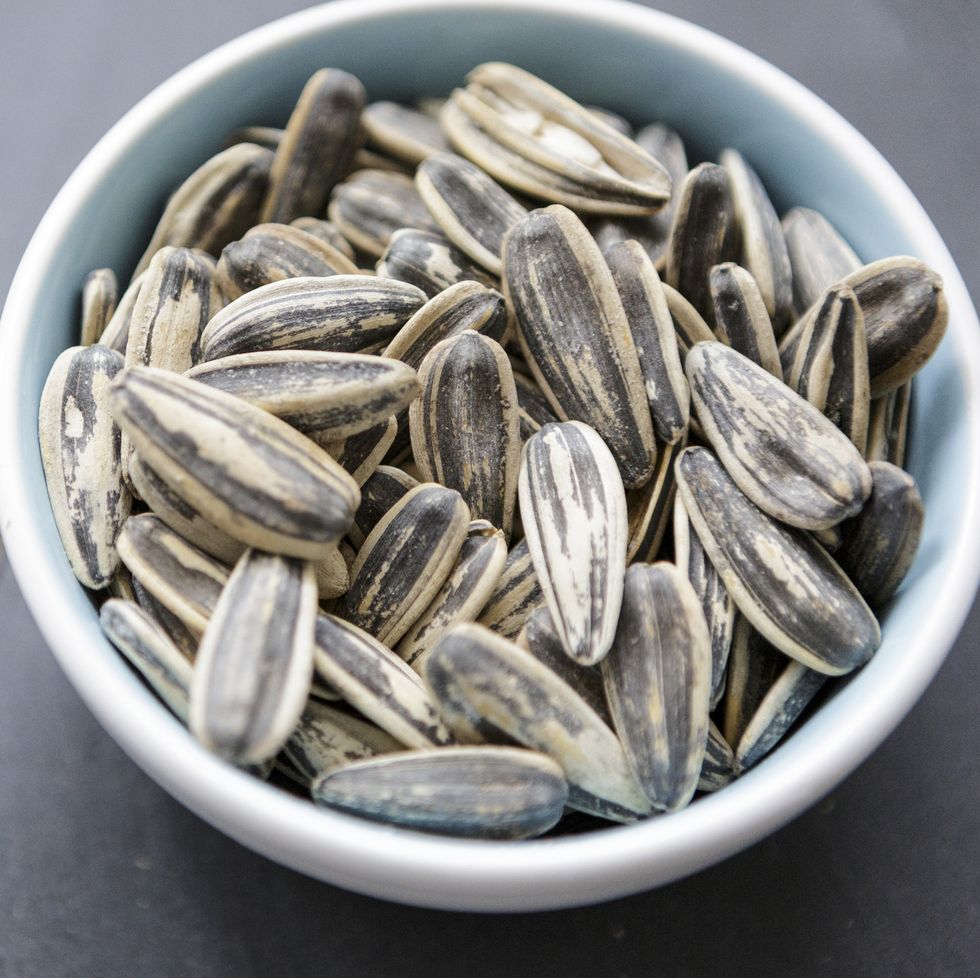
China bagged melon seeds represent a significant segment of the processed snack food industry, extending beyond simple confectionery to encompass a culturally embedded tradition. This product, encompassing various melon seed varieties (watermelon, cantaloupe, sunflower, pumpkin, etc.), undergoes rigorous processing from seed selection to final packaging. Its technical position lies within the agricultural processing chain, specifically post-harvest handling, seed preparation, roasting/flavoring, and flexible packaging. Core performance characteristics include seed integrity (absence of damage/splits), moisture content influencing shelf life, flavor profile consistency, and packaging barrier properties preventing rancidity and maintaining freshness. The industry faces key pain points related to aflatoxin control, consistent seed quality from varying agricultural yields, maintaining optimal roasting parameters for flavor development, and ensuring packaging materials meet stringent food safety standards.
Material Science & Manufacturing
The primary raw material, melon seeds, exhibits a complex chemical composition. Seeds consist of approximately 20-40% oil (primarily linoleic acid, oleic acid, and palmitic acid), 20-30% protein, 15-25% carbohydrate, and 5-10% moisture. Variations exist based on the specific melon variety. Manufacturing begins with seed selection – manual or optical sorting to remove damaged or immature seeds. Cleaning removes debris and foreign matter. A critical stage is drying, typically employing hot air ovens, reducing moisture content to 6-8% for optimal roasting and shelf life. Roasting is executed in rotating drum roasters, with temperature (120-180°C) and duration (15-30 minutes) precisely controlled to develop desired flavor and texture. Flavoring involves tumbling the roasted seeds with a blend of salt, sugar, spices (often including chili oil, five-spice powder, or monosodium glutamate), and potentially food-grade colorants. The final stage is packaging, utilizing multi-layer flexible films (typically PET/Al/PE laminates) to provide barrier protection against oxygen, moisture, and light. Parameter control during roasting is crucial; excessively high temperatures lead to scorching and off-flavors, while insufficient temperatures result in a bland product. Film layer thickness and aluminum foil purity directly affect shelf life.
Performance & Engineering
Performance is evaluated based on several key parameters. Seed hardness (measured via compression testing) dictates textural experience and resistance to cracking during processing. Oil content significantly influences flavor and shelf life, with higher oil content being more susceptible to rancidity. Moisture content must be rigorously controlled to prevent microbial growth and maintain crispness. The packaging material’s oxygen transmission rate (OTR) and water vapor transmission rate (WVTR) are critical engineering considerations. Low OTR values (<1 cc/m²/day) and low WVTR values (<3 g/m²/day) are necessary to prevent oxidative degradation and moisture uptake, respectively. Force analysis during packaging operations assesses seal integrity and resistance to puncture. Compliance with food safety regulations, including limits for aflatoxins (detailed below), is paramount. The packaging’s tensile strength is also vital, ensuring it withstands handling and transportation stresses. Understanding seed-to-seed friction is essential in designing efficient roasting and flavoring systems to minimize breakage.
Technical Specifications
| Parameter | Unit | Specification (Typical Range) | Test Method |
|---|---|---|---|
| Moisture Content | % | 6-8 | Oven Drying Method (GB 5005-2008) |
| Oil Content | % | 20-40 (Variety Dependent) | Soxhlet Extraction (GB/T 6492-2008) |
| Aflatoxin B1 | µg/kg | ≤2.5 (Maximum Permitted Level) | HPLC (GB 5005-2008) |
| Seed Hardness | N | 50-150 | Compression Testing (ASTM D695) |
| OTR (Oxygen Transmission Rate) | cc/m²/day | <1 | ASTM D3985 |
| WVTR (Water Vapor Transmission Rate) | g/m²/day | <3 | ASTM E96 |
Failure Mode & Maintenance
Failure modes in china bagged melon seeds are multifaceted. Rancidity, caused by lipid oxidation, is a primary concern, manifesting as off-flavors and odors. This is accelerated by oxygen exposure and elevated temperatures. Seed cracking during roasting or handling indicates excessive stress or improper temperature control. Packaging film failure (delamination, puncture, seal defects) compromises barrier properties and leads to moisture ingress and oxidation. Aflatoxin contamination remains a critical failure point, stemming from improper pre-harvest handling or storage. Maintenance strategies focus on strict quality control of raw materials, meticulous control of roasting parameters (temperature, time, airflow), and implementation of robust packaging quality checks. Regular monitoring of aflatoxin levels is essential. Proper storage conditions (cool, dry, dark) are vital for maximizing shelf life. Equipment maintenance, including calibration of roasting ovens and inspection of packaging sealing equipment, is critical for preventing process deviations. Preventative maintenance schedules for roasters (lubrication, belt tensioning) also reduce the risk of mechanical failure.
Industry FAQ
Q: What are the primary factors influencing the shelf life of bagged melon seeds?
A: The primary factors are moisture content, oil content, oxygen permeability of the packaging, and storage temperature. Higher moisture and oil content accelerate rancidity. High oxygen permeability allows for lipid oxidation. Elevated storage temperatures expedite degradation processes. Effective packaging with low OTR and WVTR, coupled with appropriate storage conditions, is paramount for extending shelf life.
Q: How is aflatoxin contamination controlled throughout the production process?
A: Control begins with sourcing seeds from reputable suppliers with robust pre-harvest handling practices. Rigorous cleaning and sorting remove visibly damaged seeds, which are more prone to fungal growth. Proper drying reduces moisture content, inhibiting mold development. Roasting, at sufficient temperatures, can destroy aflatoxins, but careful monitoring is essential. Regular testing of both raw materials and finished products for aflatoxin B1 (using HPLC) is mandatory.
Q: What are the critical considerations when selecting packaging materials for melon seeds?
A: The packaging must provide an effective barrier against oxygen, moisture, and light. Multi-layer laminates (PET/Al/PE are common) are preferred. Seal integrity is crucial to prevent air ingress. The material should also exhibit sufficient tensile strength to withstand handling and transportation stresses. Food-grade certification is a non-negotiable requirement.
Q: What role does roasting temperature play in flavor development and seed quality?
A: Roasting temperature is a critical parameter. Lower temperatures result in a bland, underdeveloped flavor. Excessive temperatures cause scorching, leading to bitter or burnt flavors and seed damage. Precise temperature control, combined with appropriate roasting duration, is essential for achieving the desired flavor profile and texture. Monitoring and adjusting airflow within the roaster is also important for even heating.
Q: What quality control tests are routinely performed on finished bagged melon seeds?
A: Routine tests include moisture content analysis, oil content determination, aflatoxin B1 testing, seed hardness measurement, sensory evaluation (taste, aroma, texture), packaging seal integrity checks, and visual inspection for defects. These tests ensure the product meets established quality standards and regulatory requirements.
Conclusion
China bagged melon seeds represent a complex product requiring meticulous control across the entire value chain, from seed sourcing to final packaging. The interplay between material science (seed composition, packaging film properties), manufacturing processes (drying, roasting, flavoring), and performance parameters (moisture content, OTR, aflatoxin levels) dictates product quality and shelf life. Maintaining consistent flavor profiles, preventing rancidity, and ensuring compliance with stringent food safety regulations represent significant technical challenges.
Future advancements will likely focus on optimized roasting technologies to enhance flavor development while minimizing energy consumption, development of novel packaging materials with improved barrier properties and sustainability profiles, and implementation of advanced analytical techniques for rapid and accurate aflatoxin detection. Continuous improvement in quality control protocols and adherence to international standards will be essential for maintaining consumer confidence and expanding market reach.
