Introduction
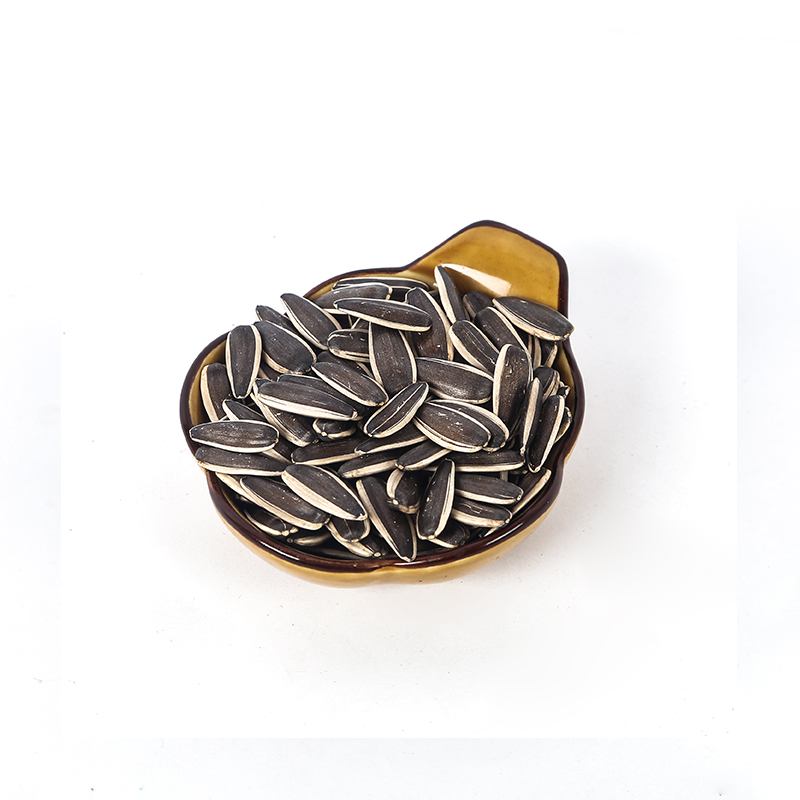
Sunflower seeds ( Helianthus annuus), a prevalent snack food originating in North America, are increasingly consumed globally, particularly in China, due to perceived health benefits and affordability. This technical guide examines the composition, processing, nutritional impact, and potential role in weight management of sunflower seeds, specifically within the context of Chinese agricultural practices and consumer preferences. The industry chain extends from cultivation and harvesting to processing (de-hulling, drying, roasting, seasoning) and packaging. Core performance considerations center on oil content, protein quality, fiber composition, and the presence of phytosterols, all impacting both nutritional value and shelf life. Recent trends in China indicate a demand for both traditional salted seeds and flavored varieties, driving innovation in processing and packaging technologies to maintain product quality and appeal. This guide will delve into the complex interplay of these factors, providing a comprehensive overview for industry professionals and procurement managers.
Material Science & Manufacturing
Sunflower seeds are primarily composed of an outer hull (pericarp) containing cellulose and lignin, accounting for approximately 20-30% of the seed’s weight. The kernel itself is rich in oil (40-50%), primarily linoleic acid (an omega-6 fatty acid), with lesser amounts of oleic acid and palmitic acid. Protein content typically ranges from 18-25%, comprising essential amino acids like tryptophan and lysine. The manufacturing process begins with harvesting when seed moisture content reaches approximately 10-12%. De-hulling, traditionally performed mechanically, separates the kernel from the pericarp. Kernel drying is crucial, often utilizing hot air dryers to reduce moisture content to 5-7% for optimal storage stability. Roasting, employing temperatures between 120-160°C, develops flavor and enhances crispness. Parameters like roasting time and temperature are meticulously controlled to prevent lipid oxidation and acrylamide formation. Seasoning involves the application of salt, flavorings, and occasionally coatings. Key parameter control focuses on moisture content throughout processing, oil quality (peroxide value, acid value), and the minimization of harmful compounds. The efficacy of de-hulling affects oil yield; optimal drying prevents fungal growth; roasting temperature dictates flavor profiles and impacts nutrient bioavailability; and seasoning uniformity influences consumer acceptance.
Performance & Engineering
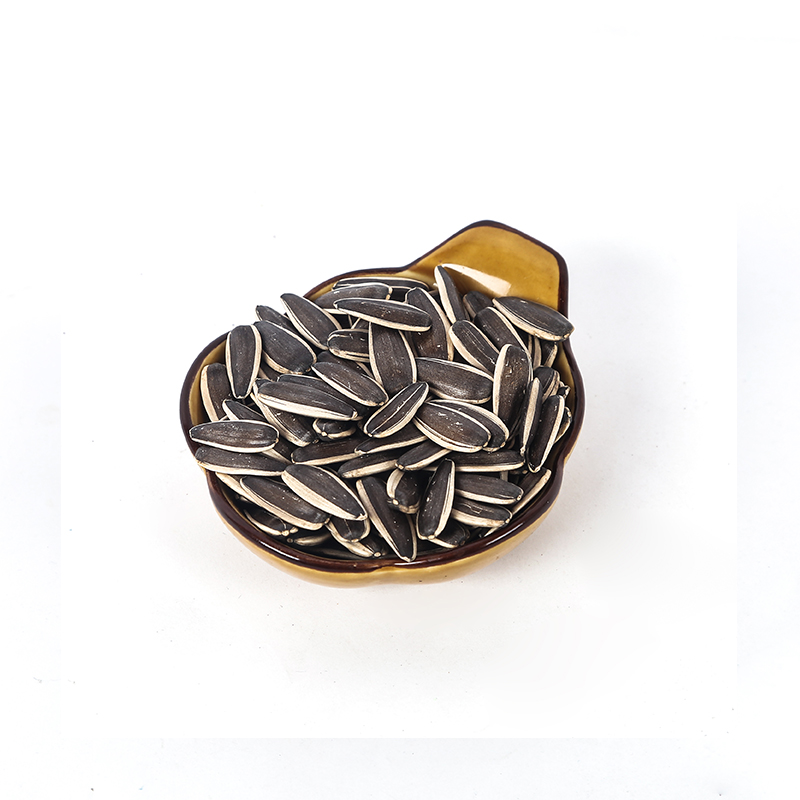
The performance of sunflower seeds in relation to weight management hinges on their nutritional profile and satiety effects. Fiber content (approximately 10-15%) contributes to fullness, potentially reducing overall caloric intake. The high protein content also aids in satiety and supports lean muscle mass. However, the high fat content (approximately 50-60% of kernel weight) contributes significantly to the seed's caloric density (around 584 calories per 100g). Engineering considerations in packaging focus on barrier properties to prevent rancidity due to lipid oxidation. Oxygen Transmission Rate (OTR) and Water Vapor Transmission Rate (WVTR) are critical parameters. Materials like metallized polyester or multilayer laminates are commonly used to minimize OTR and WVTR. Force analysis related to packaging is essential to ensure container integrity during transportation and handling. Environmental resistance testing, including temperature and humidity cycling, assesses package performance under varying conditions. Compliance requirements, particularly in China, adhere to national food safety standards (GB standards) regarding heavy metal content (lead, cadmium), pesticide residues, and microbiological contamination. Furthermore, labeling regulations dictate accurate nutritional information and allergen warnings.
Technical Specifications
| Parameter | Unit | Typical Value (Chinese Standard) | Tolerance |
|---|---|---|---|
| Oil Content (Kernel) | % | 48-58 | ±2% |
| Protein Content (Kernel) | % | 18-26 | ±1.5% |
| Moisture Content (Kernel) | % | ≤7 | ±0.5% |
| Peroxide Value (Oil) | meq O2/kg | ≤10 | ±1 |
| Acid Value (Oil) | mg KOH/g | ≤0.5 | ±0.1 |
| Heavy Metal Content (Lead) | mg/kg | ≤0.1 | ±0.02 |
Failure Mode & Maintenance
Sunflower seeds are susceptible to several failure modes. Lipid oxidation is a primary concern, leading to rancidity and off-flavors. This is accelerated by exposure to oxygen, light, and heat. Packaging integrity is therefore crucial for preventing oxidative degradation. Another common failure is kernel cracking during processing or handling, reducing product quality and increasing dust formation. Proper control of drying and de-hulling parameters minimizes cracking. Microbiological contamination, particularly fungal growth (e.g., Aspergillus flavus) resulting in aflatoxin production, poses a significant health risk. Maintaining low moisture content and implementing strict hygiene protocols are essential for prevention. Physical damage during transport, such as crushing or breakage, can compromise packaging and lead to seed loss. Appropriate cushioning and handling procedures are necessary. Maintenance involves proper storage conditions (cool, dry, dark) and adherence to First-In, First-Out (FIFO) inventory management. Regular quality control checks, including peroxide value measurements and aflatoxin testing, are crucial for ensuring product safety and shelf life. Proper cleaning and sanitation of processing equipment are paramount to minimize microbial contamination.
Industry FAQ
Q: What is the primary factor affecting the shelf life of roasted sunflower seeds?
A: The primary factor affecting shelf life is lipid oxidation, leading to rancidity. The rate of oxidation is accelerated by exposure to oxygen, light, heat, and the presence of metal ions. Therefore, effective packaging with a low Oxygen Transmission Rate (OTR) and proper storage conditions (cool, dry, dark) are critical.
Q: How does the de-hulling process impact the oil yield and quality?
A: An efficient de-hulling process minimizes damage to the kernel, maximizing oil yield. Excessive force during de-hulling can rupture cells, releasing enzymes that promote lipid degradation, thereby reducing oil quality (increasing peroxide value and acid value).
Q: What are the key Chinese national standards (GB standards) related to sunflower seed safety?
A: Key GB standards include GB 5005-2016 (Food Safety National Standard – Hygienic Standard for Sunflower Seeds), which specifies limits for heavy metals, pesticide residues, and microbiological contamination. GB 2760-2014 (National Food Safety Standard – Maximum Residue Limits for Pesticides in Food) is also relevant.
Q: How can we minimize acrylamide formation during the roasting process?
A: Acrylamide formation is influenced by roasting temperature and time. Reducing roasting temperature and time, optimizing moisture content before roasting, and adding certain antioxidants can help minimize acrylamide levels. Precise temperature control is essential.
Q: What type of packaging material is recommended for long-term storage of sunflower seeds to prevent rancidity?
A: Metallized polyester films or multilayer laminates incorporating a barrier layer (e.g., EVOH – ethylene vinyl alcohol) are recommended. These materials provide excellent OTR and WVTR properties, preventing oxygen and moisture ingress, and minimizing lipid oxidation.
Conclusion
Sunflower seeds represent a significant food commodity, particularly in the Chinese market. Their nutritional profile, characterized by a high fat and protein content, offers potential benefits in weight management through satiety effects, but mindful consumption is necessary due to their caloric density. Effective manufacturing processes, from harvesting and de-hulling to roasting and packaging, are critical for preserving seed quality and ensuring food safety. Maintaining stringent control over parameters like moisture content, roasting temperature, and packaging integrity is paramount.
Future advancements in sunflower seed processing will likely focus on optimizing oil extraction techniques, enhancing protein quality through breeding programs, and developing sustainable packaging solutions. Addressing consumer preferences for flavored varieties and convenient packaging formats will also be key drivers of innovation. Compliance with evolving food safety regulations, both nationally (GB standards) and internationally, remains a crucial aspect of industry operation, demanding continuous monitoring and quality assurance measures.
