Introduction
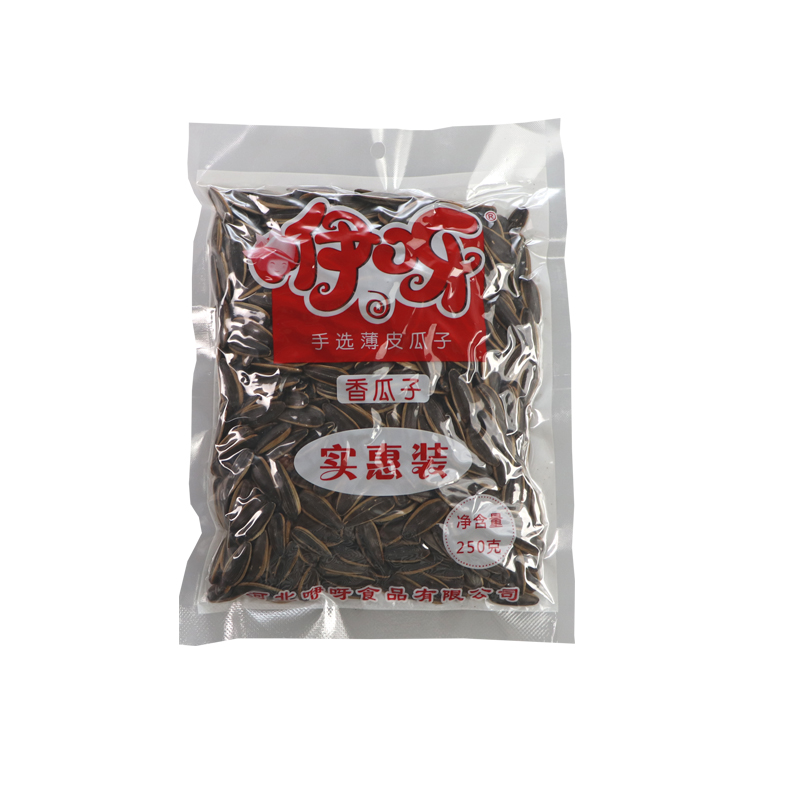
China 60-day sunflower seeds (Helianthus annuus) represent a significant component of the global oilseed market and are utilized extensively in food production, animal feed, and biofuel industries. Their categorization as a short-cycle variety distinguishes them by a comparatively rapid maturation period of approximately 60 days from planting to harvest, making them desirable for regions with shorter growing seasons or for double-cropping systems. These seeds are valued for their high oil content (typically 40-50% by weight), protein levels (around 20-25%), and essential fatty acids. Within the agricultural supply chain, these seeds originate from specialized breeding programs focused on maximizing yield, oil quality, and disease resistance. Core performance characteristics encompass germination rate, oil yield, protein composition, and susceptibility to common sunflower pathogens. The primary industry pain point revolves around maintaining consistent seed quality across varying climatic conditions and combating prevalent diseases like downy mildew and rust, impacting overall yield and oil content. Furthermore, optimizing logistics and storage to prevent lipid oxidation and maintain viability is a key operational challenge.
Material Science & Manufacturing
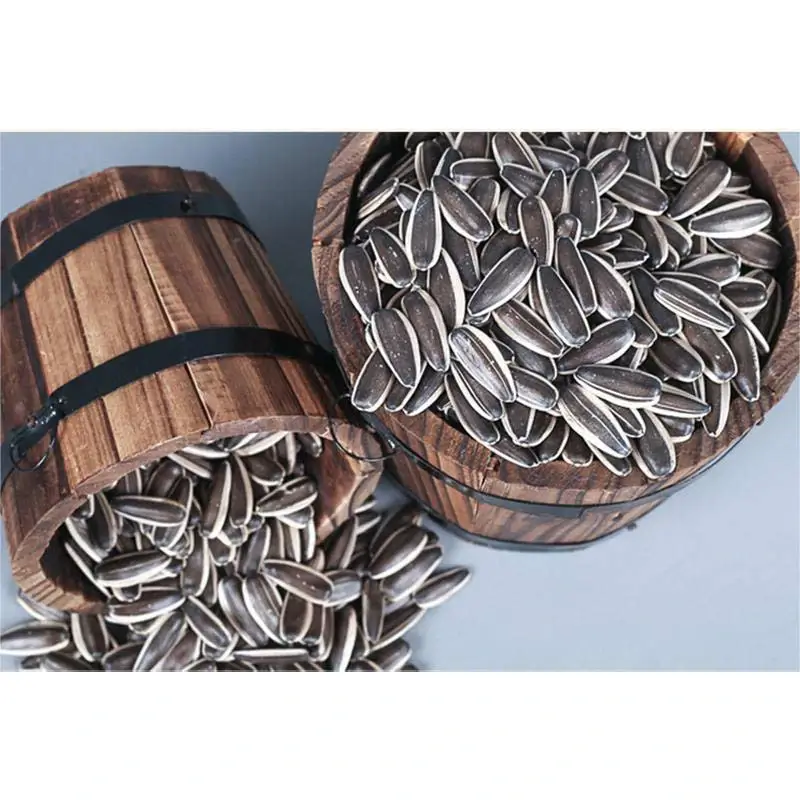
The fundamental material science of china 60-day sunflower seeds begins with the seed coat, primarily composed of cellulose, hemicellulose, and lignin, providing a protective barrier. The kernel itself comprises primarily carbohydrates (30-40%), proteins (20-25%), lipids (40-50%), and minor components like vitamins, minerals, and phenolic compounds. Lipid composition is dominated by linoleic acid (approximately 60-70%), oleic acid (20-30%), and palmitic acid (5-10%). Manufacturing, in this context, refers to the agricultural processes of cultivation, harvesting, drying, dehulling, and grading. Seed selection begins with identifying high-yielding, disease-resistant hybrids. Planting depth, soil moisture, and nutrient availability are critical parameters. Harvesting occurs when the seed moisture content reaches approximately 13-15% to prevent fungal growth and cracking. Drying is typically conducted using forced-air systems, maintaining temperatures below 45°C to preserve oil quality. Dehulling removes the seed coat, enhancing oil extraction efficiency. Grading involves separating seeds based on size, shape, and purity. Key parameter control during these processes includes monitoring moisture content, temperature, and seed damage to ensure optimal quality and prevent mycotoxin contamination. Seed treatment with fungicides and insecticides is also common practice to protect against pathogens and pests, although regulatory compliance is paramount.
Performance & Engineering
Performance analysis of china 60-day sunflower seeds centers on several key engineering aspects. Germination success is influenced by seed viability, which is determined by tetrazolium testing to assess embryo respiration. Oil extraction efficiency is directly related to seed oil content and dehulling effectiveness, typically utilizing mechanical pressing or solvent extraction methods. The structural integrity of the seed kernel is critical, as cracking or damage reduces oil yield and increases fines. Environmental resistance involves assessing the seed’s tolerance to temperature fluctuations, drought stress, and pathogen attack. Compliance requirements encompass adherence to national and international food safety standards, including maximum residue levels (MRLs) for pesticides and mycotoxin limits. Force analysis is relevant during harvesting and processing; the force required to dehull seeds impacts processing efficiency and seed damage. The oil's oxidative stability is another important factor, impacting shelf life and nutritional value. This stability is measured using Rancimat methods, evaluating induction time at elevated temperatures. Furthermore, the presence of phytosterols and tocopherols contributes to oil quality and health benefits, requiring precise quantification via gas chromatography. Seed storage conditions (temperature, humidity, oxygen levels) significantly influence seed viability and oil quality over time, necessitating controlled atmosphere storage.
Technical Specifications
| Parameter | Unit | Typical Value | Testing Method |
|---|---|---|---|
| Oil Content | % (Dry Weight Basis) | 45-50 | Soxhlet Extraction (ASTM D807) |
| Protein Content | % (Dry Weight Basis) | 22-26 | Kjeldahl Method (AOAC 920.87) |
| Moisture Content | % | 8-10 | Oven Drying Method (ISO 712) |
| Germination Rate | % | 85-95 | ISTA Rules (International Seed Testing Association) |
| Linoleic Acid Content | % of Total Fatty Acids | 60-70 | Gas Chromatography (AOCS Cd 14-91) |
| Seed Size (Diameter) | mm | 10-14 | Sieve Analysis |
Failure Mode & Maintenance
Failure modes in china 60-day sunflower seeds can manifest at various stages. During storage, lipid oxidation is a primary concern, leading to rancidity and reduced oil quality. This is exacerbated by exposure to oxygen, light, and elevated temperatures. Physical damage during harvesting or processing, such as cracking, reduces seed viability and increases susceptibility to fungal infection. Biological failure includes pathogen attack from downy mildew (Plasmopara hallelopora), rust (Puccinia helianthi), and sclerotinia head rot (Sclerotinia sclerotiorum), causing yield losses. Insect infestation by sunflower weevils (Smynopsis spp.) can also significantly reduce seed quality. Maintenance strategies involve proper storage conditions (low temperature, humidity control, oxygen exclusion), seed treatment with fungicides and insecticides, and implementing integrated pest management (IPM) practices. Regular monitoring for signs of fungal growth or insect activity is crucial. Preventive measures include selecting disease-resistant hybrids, optimizing planting density to promote air circulation, and ensuring adequate soil drainage. Furthermore, thorough cleaning and disinfection of harvesting and processing equipment minimize the risk of contamination. Implementing a robust quality control system with regular testing for mycotoxins and pesticide residues is essential for ensuring product safety and compliance.
Industry FAQ
Q: What is the typical oil yield range expected from these 60-day sunflower seeds?
A: The typical oil yield range falls between 45% and 50% on a dry weight basis. This value can fluctuate depending on growing conditions, genetic variation within the hybrid, and the efficiency of the oil extraction process. Higher-yielding varieties are consistently being developed through selective breeding programs.
Q: How do you mitigate the risk of aflatoxin contamination in these seeds?
A: Aflatoxin contamination is primarily prevented through careful harvesting practices, ensuring seeds are adequately dried before storage, and implementing robust storage conditions (low temperature and humidity). Regular testing for aflatoxin levels using ELISA or HPLC methods is essential, and any contaminated batches must be rejected.
Q: What is the recommended storage temperature and humidity for maintaining seed viability?
A: The recommended storage temperature is between 10-15°C (50-59°F) and the relative humidity should be maintained below 65%. Controlled atmosphere storage, with reduced oxygen levels, can further extend seed viability. Proper ventilation is also crucial to prevent moisture buildup.
Q: What level of pesticide residue is permissible under international regulations?
A: Permissible pesticide residue levels vary depending on the importing country and the specific pesticide used. Adherence to Maximum Residue Levels (MRLs) established by Codex Alimentarius, the European Union, and individual national regulations is paramount. Regular testing for pesticide residues is essential to ensure compliance.
Q: How does the short 60-day cycle impact the overall oil quality compared to longer-cycle sunflower varieties?
A: While the shorter cycle can potentially lead to slightly lower oil content compared to some longer-cycle varieties, modern breeding programs have successfully maintained comparable oil quality and fatty acid profiles. The primary advantage of the 60-day cycle is increased flexibility for growers and the opportunity for double cropping.
Conclusion
China 60-day sunflower seeds represent a valuable agricultural commodity, distinguished by their rapid maturation cycle and high oil content. Successful cultivation and processing require a thorough understanding of their material science, manufacturing processes, and performance characteristics. Addressing industry pain points related to disease resistance, storage stability, and regulatory compliance is critical for maintaining quality and maximizing yield.
Continued advancements in breeding programs, coupled with optimized agricultural practices and stringent quality control measures, will be essential for ensuring the sustainable production of these seeds and meeting the growing global demand for sunflower oil and related products. Future research should focus on enhancing the seeds' tolerance to climate change and reducing reliance on synthetic pesticides and fertilizers.
