Introduction
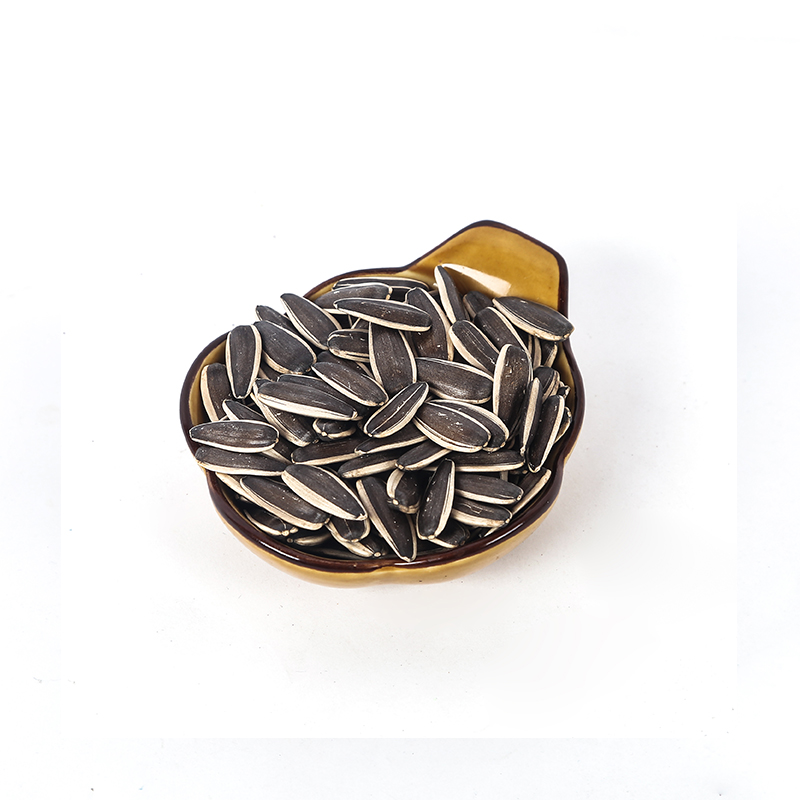
China 40 lb sunflower seeds represent a significant commodity within the global oilseed and snack food industries. Positioned as a primary agricultural output of China, these seeds serve multiple purposes, ranging from direct human consumption as a snack food to acting as a crucial input for oil extraction. The 40 lb packaging denotes a common wholesale unit facilitating efficient distribution. Core performance characteristics encompass oil yield, protein content, kernel size and uniformity, and the absence of aflatoxins and other contaminants. This guide provides an in-depth technical analysis, covering material science, manufacturing processes, performance parameters, potential failure modes, and relevant international standards pertaining to this product.
Material Science & Manufacturing
Sunflower seeds ( Helianthus annuus ) are composed primarily of an oil-rich kernel encased in a hull or shell. The kernel itself comprises roughly 50-60% oil, 20-25% protein, and 10-15% carbohydrate. The oil is predominantly linoleic acid (a polyunsaturated omega-6 fatty acid), with smaller amounts of oleic acid (a monounsaturated omega-9 fatty acid). Hull composition is largely cellulose and lignin. Manufacturing begins with hybrid seed selection optimized for oil content, yield, and disease resistance. Cultivation practices, including fertilization, irrigation, and pest control, directly impact seed quality. Harvesting occurs when seed moisture content reaches approximately 10-12%. Drying is crucial to prevent fungal growth and maintain viability, typically achieved using forced-air drying systems to reduce moisture to 8-9%. The seeds undergo cleaning and grading based on size and density, removing foreign material and damaged seeds. Dehulling is often performed, though this depends on the intended end-use; snack seeds are typically sold in-hull, while oil extraction favors dehulled seeds. Quality control involves rigorous testing for aflatoxins, pesticides, and moisture content. Parameter control during drying (temperature, airflow) is critical; excessive heat can denature proteins and reduce oil quality. Seed storage requires controlled temperature and humidity to prevent lipid oxidation and rancidity.

Performance & Engineering
Performance evaluation of China 40 lb sunflower seeds focuses on several key engineering parameters. Oil extraction efficiency is paramount, assessed using solvent extraction methods (typically hexane) and quantified as oil yield percentage. Kernel hardness, measured using a sclerometer, impacts processing efficiency and oil release. Moisture content profoundly influences storage stability; above 8%, lipid oxidation accelerates, leading to rancidity and reduced nutritional value. The hull strength, relevant for in-shell snack seeds, determines resistance to cracking during handling and transportation, assessed through impact testing. Aflatoxin contamination represents a critical safety concern; levels are quantified using HPLC (High-Performance Liquid Chromatography) and must adhere to regulatory limits. Furthermore, protein content and amino acid profile are evaluated for nutritional value. Packaging engineering is also critical; the 40 lb packaging must provide adequate moisture barrier properties to prevent moisture regain and protect against physical damage during handling and transit. The impact resistance of the packaging material (typically woven polypropylene) is evaluated using drop tests and puncture resistance assessments. Compliance with food safety regulations (FDA, EFSA) is essential, necessitating HACCP (Hazard Analysis and Critical Control Points) implementation throughout the production and packaging process.
Technical Specifications
| Parameter | Unit | Specification | Test Method |
|---|---|---|---|
| Oil Content | % (Dry Weight Basis) | ≥ 40 | Soxhlet Extraction (AOAC 985.05) |
| Moisture Content | % | ≤ 8 | Oven Drying (AACC Method 14-05) |
| Aflatoxin B1 | ppb | ≤ 20 | HPLC (AOAC 2000-11) |
| Kernel Hardness | N | 30-60 | Sclerometer (ICRISAT Method) |
| Protein Content | % (Dry Weight Basis) | ≥ 20 | Kjeldahl Method (AOAC 978.05) |
| Hull Percentage | % | ≤ 25 (for dehulled seeds) | Visual Inspection and Weighing |
Failure Mode & Maintenance
Failure modes for China 40 lb sunflower seeds typically relate to quality degradation rather than structural failure. Lipid oxidation, leading to rancidity, is a primary concern, accelerated by exposure to oxygen, light, and elevated temperatures. This results in off-flavors and reduced nutritional value. Aflatoxin contamination, often stemming from improper drying or storage, presents a significant health hazard. Physical damage (cracking, chipping) during handling and transport can reduce seed quality and oil yield. Insect infestation can also cause significant losses. Microbiological spoilage, caused by fungi and bacteria, can occur under high moisture conditions. Maintenance strategies focus on preventative measures. Proper drying and storage are paramount, requiring controlled temperature (≤ 25°C) and humidity (≤ 65%). Packaging should provide a moisture and oxygen barrier. Regular monitoring for aflatoxin contamination is essential. Insect control measures, including fumigation and proper sanitation, should be implemented. Seed cleaning and grading remove damaged seeds and foreign material. For bulk storage, aeration systems prevent moisture buildup and temperature stratification. Implementing a robust HACCP plan throughout the supply chain is vital to mitigate risks and ensure product safety.
Industry FAQ
Q: What is the significance of the oil content specification and how is it verified?
A: Oil content is the most commercially important parameter, dictating the yield of oil extraction. A specification of ≥ 40% ensures sufficient economic viability. It is typically verified using Soxhlet extraction, a standardized method outlined in AOAC 985.05, which quantitatively determines the amount of oil extracted from a representative sample.
Q: How does aflatoxin contamination occur, and what are the potential consequences of exceeding the 20 ppb limit?
A: Aflatoxin contamination originates from Aspergillus fungi, which thrive in improperly dried or stored seeds. Consequences of exceeding the 20 ppb limit, established by regulatory bodies like the FDA, include potential health risks (liver cancer) and rejection of the shipment by importing countries.
Q: What measures can be taken to prevent rancidity during long-term storage?
A: Rancidity, caused by lipid oxidation, is prevented by minimizing exposure to oxygen, light, and heat. Storage in airtight, opaque containers at cool temperatures (≤ 25°C) is crucial. Adding antioxidants (e.g., Vitamin E) can also extend shelf life. Maintaining low moisture content (<8%) is also critical.
Q: What is the role of the hull percentage specification, and how does it impact the value of the seeds?
A: Hull percentage dictates the proportion of shell material. A lower hull percentage (≤ 25% for dehulled seeds) is desirable for oil extraction, as hulls reduce oil yield and increase processing costs. Seeds with higher hull content may be suitable for animal feed but fetch a lower price.
Q: What is the importance of the Kjeldahl method for protein content determination, and how does protein content affect the seeds’ market value?
A: The Kjeldahl method (AOAC 978.05) is the standard analytical technique for quantifying protein content by measuring nitrogen levels. Higher protein content enhances the nutritional value of the seeds, increasing their appeal for both human consumption and animal feed applications, thereby increasing market value.
Conclusion
China 40 lb sunflower seeds represent a complex agricultural commodity subject to stringent quality control and performance standards. Successful production and distribution necessitate a thorough understanding of the underlying material science, meticulous process control during cultivation and post-harvest handling, and adherence to international safety regulations. Effective maintenance strategies focusing on preventing lipid oxidation, aflatoxin contamination, and physical damage are critical for preserving product quality and ensuring market acceptance.
Future advancements in sunflower seed technology may focus on genetic engineering to enhance oil content, improve disease resistance, and increase tolerance to environmental stressors. Further research into novel packaging materials with improved barrier properties could extend shelf life and reduce spoilage. Continued refinement of analytical techniques for detecting contaminants and assessing nutritional value will be crucial for maintaining consumer confidence and ensuring product safety within the global sunflower seed market.
