Introduction
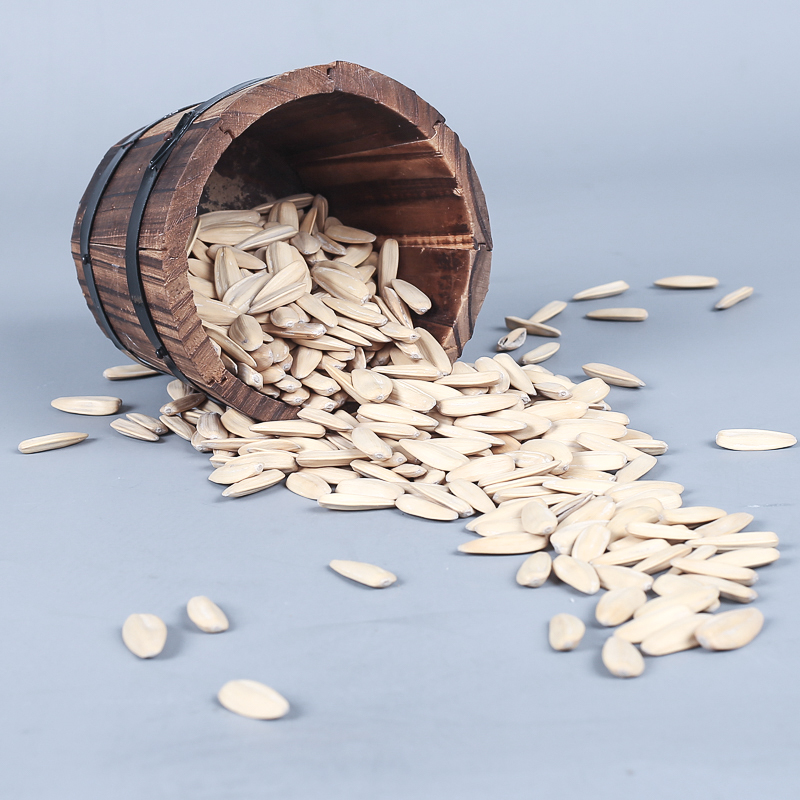
Sunflower seeds (Helianthus annuus) packaged in 25kg bags represent a significant commodity within the global agricultural market. This guide details the technical aspects of these seeds, focusing on quality control, storage stability, and logistical considerations relevant to B2B transactions. Sunflower seeds serve as both a direct food source and a crucial input for oil extraction, impacting food processing, animal feed production, and biofuel industries. Understanding the seed's characteristics – oil content, moisture levels, and potential contaminants – is paramount for purchasers. This document will address key performance indicators and potential failure modes encountered throughout the supply chain, offering insights into maintaining seed integrity from harvest to final processing. The 25kg bag format is a common industry standard facilitating efficient handling and transportation, yet its suitability depends on maintaining barrier properties and preventing degradation during transit and storage.
Material Science & Manufacturing
The primary material, the sunflower seed itself, is composed of approximately 35-50% oil, 20-30% protein, 15-20% carbohydrate (primarily starch), and 5-10% fiber. The oil is predominantly linoleic acid (a polyunsaturated fatty acid) and oleic acid. The seed coat (hull or pericarp) consists of cellulose, hemicellulose, and lignin, providing physical protection. Manufacturing begins with agricultural cultivation practices impacting seed quality (soil composition, irrigation, fertilizer use). Post-harvest processing includes cleaning, drying, dehulling (optional, depending on end use), grading, and sorting. Drying is critical, typically employing forced-air systems to reduce moisture content to 8-10% for safe storage. Key parameters include drying temperature (not exceeding 45°C to avoid protein denaturation) and air velocity. Bagging material is typically polypropylene (PP) woven fabric with an internal polyethylene (PE) liner. The PE liner’s thickness (typically 50-80 microns) determines its barrier properties against moisture and oxygen. Sealing methods (heat sealing, stitching) impact bag integrity. Quality control involves assessing seed oil content via Soxhlet extraction, moisture content using a moisture analyzer (Karl Fischer titration), and foreign matter content through visual inspection and sieving.
Performance & Engineering
The performance of the 25kg bag is directly linked to its ability to protect the seeds from environmental factors. Key engineering considerations include bag tensile strength (determined by ASTM D4533), puncture resistance (ASTM D5748), and impact resistance. Stacking stability is crucial during storage and transport, influenced by bag dimensions and material stiffness. Force analysis reveals that the bottom bag in a stack experiences the highest compressive load. Environmental resistance focuses on moisture vapor transmission rate (MVTR) of the bag material (measured in g/m²/24h at 38°C and 90% RH – ASTM E96). Low MVTR is desirable to prevent moisture ingress and lipid oxidation. Oxygen transmission rate (OTR) is also important for preserving oil quality. Compliance requirements include adherence to food safety regulations (FDA in the US, EFSA in Europe), pesticide residue limits (as defined by CODEX Alimentarius), and heavy metal content limits (e.g., lead, cadmium). Storage conditions (temperature, humidity, ventilation) profoundly impact seed viability and oil quality; optimal storage involves temperatures below 25°C and humidity below 65%.
Technical Specifications
| Parameter | Unit | Specification | Test Method |
|---|---|---|---|
| Oil Content | % | 48-52 | Soxhlet Extraction (AOCS Official Method Ak 3.25) |
| Moisture Content | % | 8-10 | Moisture Analyzer (Karl Fischer Titration – AOCS Official Method Ba 2-92) |
| Foreign Matter | % | < 1.0 | Visual Inspection & Sieving |
| Acid Value | mg KOH/g | < 1.5 | Titration (AOCS Official Method Ca 5-85) |
| Peroxide Value | meq O₂/kg | < 10 | Titration (AOCS Official Method Cd 8-53) |
| Broken Kernels / Damaged Seeds | % | < 2.0 | Visual Inspection |
Failure Mode & Maintenance
Failure modes in sunflower seeds packaged in 25kg bags can be categorized into seed degradation and bag failure. Seed degradation includes lipid oxidation (resulting in rancidity, indicated by increased peroxide value), protein denaturation (reducing nutritional value), and microbial growth (leading to aflatoxin contamination). These are accelerated by high temperature, humidity, and oxygen exposure. Bag failure encompasses tearing, puncture, seam separation, and degradation of the PE liner. These are caused by mechanical stress during handling, UV exposure, and chemical interactions with seed components. Maintenance involves proper storage: cool, dry, well-ventilated conditions. First-in, first-out (FIFO) inventory management minimizes storage duration. Regular inspection of bags for damage is crucial. If bags are damaged, immediate re-packaging in airtight containers is necessary. Monitoring seed quality parameters (oil content, moisture, acid value) over time provides an early warning of degradation. Preventative maintenance on drying and handling equipment minimizes seed damage during processing. Use of oxygen absorbers within the bag can further extend shelf life by reducing oxygen levels.
Industry FAQ
Q: What is the acceptable level of aflatoxin contamination in sunflower seeds intended for human consumption?
A: Acceptable levels of aflatoxin are strictly regulated and vary by country. Generally, the EU regulations (Commission Regulation (EC) No 1881/2006) set a maximum limit of 2.5 μg/kg for total aflatoxins in sunflower seeds. US FDA guidelines also have similar limits. Regular testing using HPLC is essential to ensure compliance.
Q: How does the moisture content of sunflower seeds impact their storage life?
A: Moisture content is a critical factor. Above 10%, the risk of fungal growth and lipid oxidation significantly increases, drastically reducing storage life. Maintaining a moisture content between 8-10% through proper drying and storage in airtight packaging is essential for preserving seed quality for up to 12-18 months.
Q: What type of bag material offers the best barrier properties against moisture and oxygen?
A: A tightly woven polypropylene (PP) fabric with a thick (70-80 micron) polyethylene (PE) inner liner provides the best balance of cost and performance. Adding a UV inhibitor to the PP fabric extends its lifespan when exposed to sunlight. Consideration should also be given to using metallized films for enhanced barrier properties in specific applications.
Q: What are the key differences between oil-type and confection-type sunflower seeds?
A: Oil-type seeds have a higher oil content (typically 50-55%) and a smaller kernel size. They are primarily used for oil extraction. Confection-type seeds have a lower oil content (40-45%), larger kernel size, and a thinner hull, making them more suitable for direct consumption as a snack. They also differ in fatty acid profiles.
Q: How does temperature affect the lipid oxidation rate in sunflower seeds?
A: Lipid oxidation rates increase exponentially with temperature. For every 10°C increase in temperature, the oxidation rate roughly doubles. Maintaining storage temperatures below 25°C is vital for minimizing rancidity and preserving oil quality. Refrigeration or controlled atmosphere storage can further extend shelf life.
Conclusion
China 25kg/bags sunflower seeds, as a crucial component of the global food and industrial supply chains, demand a thorough understanding of their material properties, manufacturing processes, and potential degradation pathways. Maintaining seed quality requires diligent control of moisture content, protection from oxygen and light, and adherence to stringent food safety standards. The integrity of the packaging – specifically the barrier properties of the PP/PE bag – is paramount in preserving seed viability and preventing economic losses.
Future advancements may focus on biodegradable packaging materials, improved drying technologies to minimize seed damage, and the development of real-time monitoring systems to track seed quality throughout the supply chain. Furthermore, breeding programs aimed at enhancing seed oil stability and resistance to fungal growth will continue to play a crucial role in ensuring a reliable and sustainable supply of this valuable commodity.
