Introduction
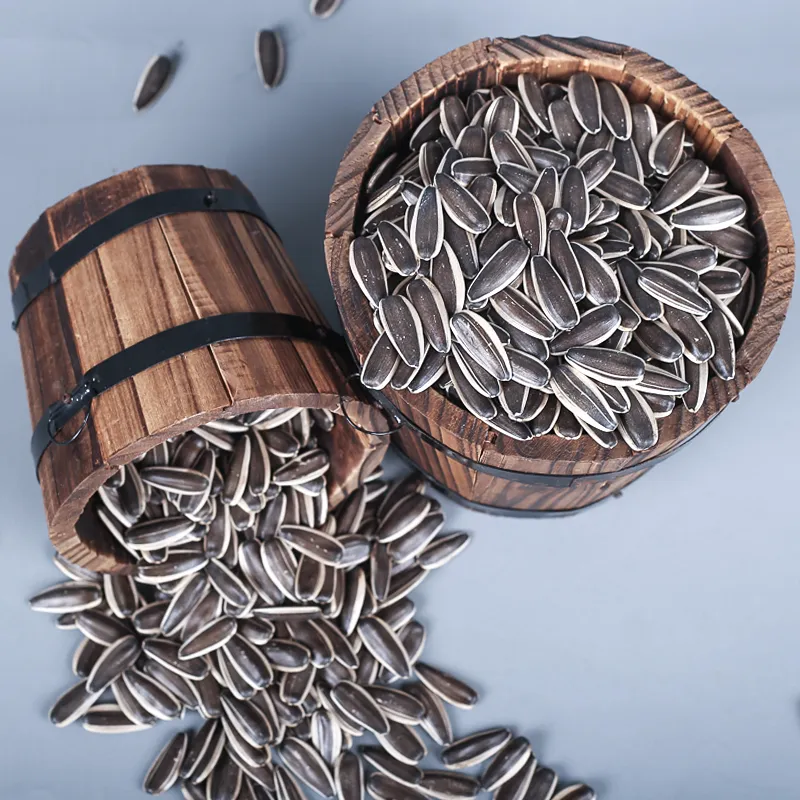
China 100g sunflower seeds represent a significant commodity within the global agricultural and snack food industries. Positioned as a processed agricultural product, they occupy a critical juncture between raw material production and consumer packaged goods. Sunflower seeds, Helianthus annuus, are cultivated for their oil-rich kernels, and the 100g packaging format caters to both retail and wholesale distribution channels. Core performance characteristics center around kernel quality – oil content, protein levels, and moisture content – influencing flavor, texture, and shelf life. This guide provides an in-depth technical analysis of China 100g sunflower seeds, encompassing material science, manufacturing processes, performance specifications, potential failure modes, and relevant industry standards. The industry faces key challenges related to consistent seed quality, aflatoxin control, and maintaining optimal roasting/flavoring processes to meet diverse consumer preferences. Addressing these concerns requires meticulous attention to agricultural practices, processing parameters, and quality control measures.
Material Science & Manufacturing
The primary raw material is the sunflower seed kernel, comprised of approximately 40-50% oil (primarily linoleic acid), 20-25% protein, 15-20% carbohydrate (primarily fiber), and 5-10% moisture. The shell, or hull, is largely cellulose and lignin. Manufacturing begins with harvesting and drying the sunflower heads to reduce moisture content to approximately 9-10%, preventing mold growth. De-hulling separates the kernel from the shell, utilizing mechanical processes like impact and abrasion. Kernel size and density are key properties impacting de-hulling efficiency. Following de-hulling, kernels undergo cleaning to remove foreign matter. Roasting is a critical step, typically conducted at temperatures ranging from 120-180°C, impacting flavor development via Maillard reactions and lipid oxidation. Roasting time and temperature are precisely controlled to achieve desired color, crunch, and oil stability. Flavoring is then applied, using dry or wet seasoning methods. Finally, the seeds are weighed into 100g packages, typically constructed from multi-layer films offering moisture and oxygen barriers. Parameter control during roasting – temperature, time, airflow – directly influences the final product’s quality, impacting free fatty acid content and peroxide value. Humidity control throughout the entire process is essential to maintain kernel integrity and prevent microbial growth.
Performance & Engineering
The performance of China 100g sunflower seeds is assessed through several engineering parameters. Shear force analysis is used to determine the ‘crunchiness’ of the roasted kernels, impacting consumer acceptance. A higher shear force generally indicates a more desirable crispness. Moisture content, typically maintained below 5%, is critical for shelf life stability; higher moisture levels promote rancidity and microbial growth. Oil stability is measured by peroxide value (PV) and free fatty acid (FFA) content. Lower PV and FFA values indicate better oil quality and resistance to oxidation. Packaging performance is paramount; the packaging material must exhibit adequate oxygen transmission rate (OTR) (<20 cm³/m²/day) and water vapor transmission rate (WVTR) (<3 g/m²/day) to preserve freshness. Compliance requirements include adherence to maximum aflatoxin levels (typically <20 ppb) as stipulated by national and international food safety regulations. The engineering of the roasting process involves heat transfer calculations to ensure uniform roasting and minimize localized overheating. Furthermore, the packaging process must ensure accurate weighing and sealing to meet label claim requirements and prevent product contamination.
Technical Specifications
| Parameter | Specification | Test Method | Industry Significance |
|---|---|---|---|
| Moisture Content | ≤ 5.0% | AOAC 925.10 | Shelf Life, Microbial Stability |
| Oil Content | 40-50% (Dry Basis) | Soxhlet Extraction (AOAC 920.39) | Flavor, Nutritional Value |
| Protein Content | 20-25% (Dry Basis) | Kjeldahl Method (AOAC 920.87) | Nutritional Value |
| Aflatoxin Level | ≤ 20 ppb | HPLC-FLD | Food Safety, Regulatory Compliance |
| Peroxide Value (PV) | ≤ 5 meq O₂/kg | AOCS Cd 8-53 | Oil Quality, Rancidity |
| Free Fatty Acid (FFA) | ≤ 0.2% (Oleic Acid) | Titration (AOCS Cd 3-63) | Oil Quality, Rancidity |
Failure Mode & Maintenance
Common failure modes for China 100g sunflower seeds include rancidity (due to lipid oxidation), softening (due to moisture absorption), and aflatoxin contamination. Rancidity is accelerated by exposure to oxygen, light, and elevated temperatures. Softening results from exceeding the critical moisture content threshold, leading to loss of crispness. Aflatoxin contamination arises from fungal growth during pre-harvest or post-harvest stages. Cracking or breakage of kernels during processing and handling can also occur. To mitigate these failures, proper storage conditions are vital: cool, dry (≤60% relative humidity), and dark environments. Implementing a robust HACCP (Hazard Analysis and Critical Control Points) plan is crucial for aflatoxin control, including sourcing from reputable suppliers and regular testing. Packaging integrity must be maintained to prevent moisture ingress and oxygen exposure. Preventative maintenance of roasting and packaging equipment is essential to minimize mechanical damage to the seeds. Regular monitoring of oil stability parameters (PV and FFA) can provide early warning of potential rancidity issues. Employee training on proper handling and sanitation procedures is also paramount.
Industry FAQ
Q: What is the primary factor influencing sunflower seed rancidity and how can it be minimized?
A: The primary factor influencing rancidity is the oxidation of unsaturated fatty acids in the oil. This is accelerated by oxygen, light, heat, and the presence of metal ions. Minimization involves employing airtight, opaque packaging with low OTR, storing seeds in cool, dark conditions, and using antioxidants during processing if permissible by regulations. Maintaining low moisture content is also crucial, as water promotes oxidation.
Q: How do you ensure aflatoxin levels remain within acceptable regulatory limits?
A: We implement a multi-faceted approach. This includes sourcing from suppliers with established aflatoxin control programs, pre-shipment testing of raw materials, regular monitoring of processing environments for mold growth, and finished product testing using HPLC-FLD. We also adhere to strict sanitation protocols and maintain thorough traceability records.
Q: What is the optimal roasting temperature and time to maximize flavor development while minimizing oil degradation?
A: The optimal roasting temperature typically ranges between 120-160°C, with roasting times varying from 15-30 minutes, depending on the seed variety and desired flavor profile. Precise control is crucial. Higher temperatures and longer times can lead to excessive oil degradation and the formation of undesirable compounds. We use real-time temperature monitoring and airflow control to ensure uniform roasting.
Q: What packaging materials are most suitable for preserving the freshness and extending the shelf life of 100g sunflower seeds?
A: Multi-layer films comprised of materials like PET, aluminum foil, and polyethylene offer the best barrier properties against oxygen and moisture. The aluminum foil layer is particularly effective in preventing oxygen ingress. The film thickness and composition are selected based on the desired shelf life and storage conditions. Proper sealing techniques are also critical to maintain barrier integrity.
Q: How is the 'crunchiness' or shear force of the roasted seeds measured and controlled?
A: Crunchiness is quantified using a texture analyzer to measure the shear force required to fracture a roasted kernel. We establish target shear force ranges based on consumer preferences. Control is achieved through precise regulation of roasting temperature, time, and moisture content. Kernel size and variety also influence shear force.
Conclusion
China 100g sunflower seeds represent a complex product requiring meticulous attention to detail throughout the entire supply chain, from agricultural practices to packaging. Maintaining consistent kernel quality, controlling aflatoxin levels, and optimizing roasting parameters are critical for delivering a safe, flavorful, and shelf-stable product. A thorough understanding of the material science, manufacturing processes, and performance characteristics outlined in this guide is essential for manufacturers and procurement professionals.
Future developments will likely focus on advanced roasting technologies, such as microwave or radio frequency roasting, to improve energy efficiency and product uniformity. Exploring novel packaging materials with enhanced barrier properties and sustainable sourcing options will also be paramount. Continued research into aflatoxin mitigation strategies and the development of rapid, on-site testing methods will be crucial for ensuring food safety and regulatory compliance.
