Introduction
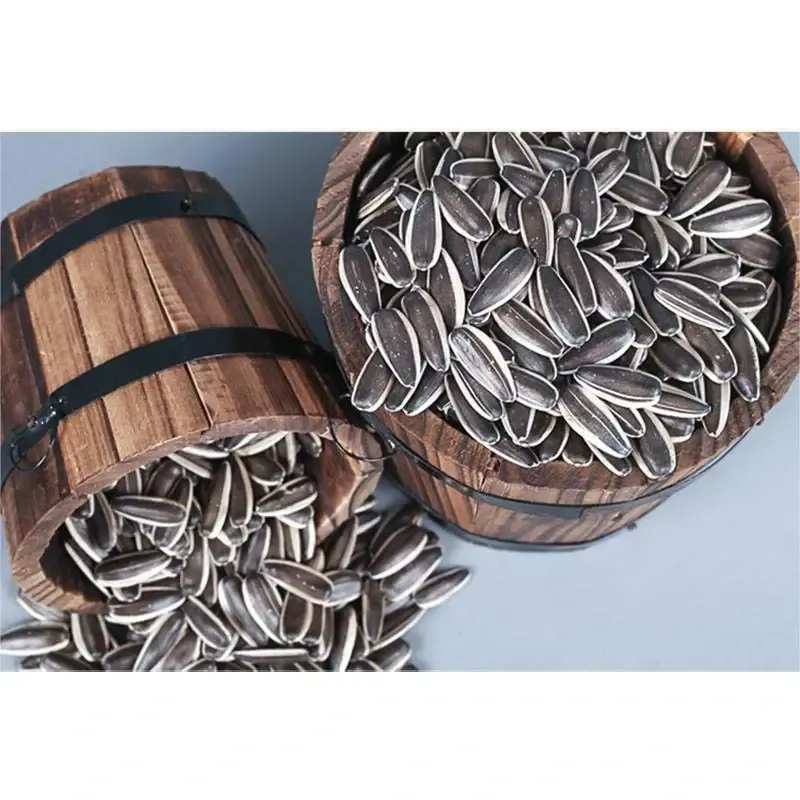
Sunflower seeds ( Helianthus annuus), specifically the 1 oz (28.35g) portion commercially produced in China, represent a significant commodity within the agricultural and snack food industries. These seeds are positioned within the supply chain as both a direct consumer product and a processing input for oil extraction. Core performance characteristics encompass nutritional value (protein, fats, vitamins), seed integrity (absence of damage or foreign matter), and palatability (taste, texture, shell adherence). The global demand for sunflower seeds is driven by increasing health consciousness and a preference for plant-based protein sources. Chinese production focuses on high-oleic varieties favored for oil stability and consumer preference for whole-seed snacking. Maintaining consistent quality and minimizing aflatoxin contamination are critical industry pain points, directly impacting market access and consumer safety.
Material Science & Manufacturing
The primary raw material is the sunflower seed itself, composed of a hull (pericarp), kernel, and embryo. The kernel comprises approximately 58-68% oil, 20-25% protein, and 5-10% carbohydrate. Manufacturing begins with field cultivation, focusing on hybrid varieties bred for high yield and oil content. Post-harvest processing includes cleaning (removal of debris and foreign material), drying (to a moisture content of 8-10% to prevent mold growth and aflatoxin production), dehulling (mechanical removal of the hull – a critical parameter influencing taste and ease of consumption), grading (size and quality sorting), and finally, packaging. Dehulling is often achieved using impact dehullers or abrasive dehullers. Parameter control during drying is crucial; temperatures exceeding 60°C can denature proteins and negatively impact oil quality. Kernel moisture content is monitored using near-infrared spectroscopy. Shelling efficiency, measured as the percentage of kernels recovered, is a key performance indicator. Chemical compatibility concerns center around storage materials; polypropylene (PP) and polyethylene (PE) are commonly used for packaging, requiring verification of food-grade compliance (FDA or equivalent). Aflatoxin control relies on pre-harvest agricultural practices and post-harvest processing techniques, including the application of antifungal agents where permitted by regulation.

Performance & Engineering
Performance of sunflower seeds is evaluated through several engineering metrics. Tensile strength of the hull is important for withstanding handling and transportation stresses; lower hull strength leads to kernel breakage. Shear force analysis quantifies the force required to dehull the seed, indicating processing efficiency. The oil extraction yield is a critical performance parameter, influenced by seed maturity, drying method, and pre-pressing techniques. Environmental resistance focuses on maintaining seed viability during storage. Oxygen Transmission Rate (OTR) and Water Vapor Transmission Rate (WVTR) of the packaging material are paramount to prevent rancidity and mold growth. Compliance requirements include adherence to Maximum Residue Limits (MRLs) for pesticides, heavy metal content limits (lead, cadmium), and stringent aflatoxin regulations (typically < 20 ppb, varying by region). Functional implementation considers the end use; whole-seed snacking requires optimal hull-to-kernel ratio and a desirable texture, while oilseed processing demands high oil content and minimal impurities. The physical stress experienced during bulk handling and packaging operations must be considered in material selection and process optimization to minimize seed damage.
Technical Specifications
| Parameter | Unit | Typical Value (China 1 oz) | Test Method |
|---|---|---|---|
| Kernel Weight | g | 18-22 | Analytical Balance |
| Moisture Content (Kernel) | % | 8-10 | Oven Drying Method (GB 5009.3) |
| Oil Content (Kernel) | % | 48-58 | Soxhlet Extraction (GB/T 5009.3) |
| Protein Content (Kernel) | % | 18-24 | Kjeldahl Method (GB/T 5009.5) |
| Aflatoxin B1 | ppb | < 20 | HPLC (GB 5009.24) |
| Hull Percentage | % | 20-30 | Visual Sorting & Weight Ratio |
Failure Mode & Maintenance
Failure modes for 1 oz packages of sunflower seeds typically fall into several categories. Kernel Damage: Cracking or breakage during handling and processing reduces market value. Rancidity: Oxidation of unsaturated fats leads to off-flavors and decreased shelf life. This is exacerbated by oxygen exposure and high temperatures. Mold Growth: High moisture content encourages fungal proliferation, potentially leading to aflatoxin contamination. Hull Adherence: Poor dehulling results in difficult consumption and consumer dissatisfaction. Packaging Failure: Tears, punctures, or inadequate sealing compromise product integrity. Maintenance strategies involve strict quality control throughout the supply chain. This includes regular inspection of drying equipment, calibration of dehulling machinery, and proper storage conditions (cool, dry, dark environment). Packaging materials should be regularly tested for OTR and WVTR. Periodic aflatoxin testing is crucial. Implementing a First-In, First-Out (FIFO) inventory management system minimizes storage time and reduces the risk of spoilage. Preventative maintenance on processing equipment minimizes mechanical failure and ensures consistent product quality.
Industry FAQ
Q: What are the key differences in sunflower seed varieties impacting oil quality?
A: High-oleic varieties contain predominantly oleic acid, offering greater oxidative stability and resulting in a longer shelf life for the oil. Linoleic acid-rich varieties are more susceptible to oxidation, requiring antioxidants for preservation. The fatty acid profile is genetically determined and significantly impacts the final oil characteristics, influencing its suitability for different applications (e.g., cooking oil vs. industrial uses).
Q: How does the dehulling process affect the final product’s shelf life?
A: Incomplete dehulling leaves residual hull fragments, which contain oils that can accelerate rancidity. Thorough dehulling removes these components, extending shelf life. However, aggressive dehulling can damage the kernel, increasing surface area and susceptibility to oxidation. Optimization of dehulling parameters is critical to balance kernel integrity and shelf stability.
Q: What are the acceptable limits for heavy metal contamination and how are they monitored?
A: Acceptable limits for heavy metals (lead, cadmium, mercury, arsenic) vary by region but are typically regulated by food safety authorities. Monitoring involves sample collection and analysis using techniques such as Atomic Absorption Spectroscopy (AAS) or Inductively Coupled Plasma Mass Spectrometry (ICP-MS). Compliance is essential for international trade and consumer safety.
Q: Can you elaborate on the importance of packaging material selection in preventing aflatoxin contamination?
A: While packaging doesn’t prevent aflatoxin formation, it significantly impacts its growth and spread. High-barrier packaging (low OTR and WVTR) prevents moisture ingress and limits oxygen exposure, inhibiting mold growth and aflatoxin production during storage. The packaging material must also be food-grade and not contribute any contaminants to the seeds.
Q: What are the common methods used to verify the absence of genetically modified organisms (GMOs) in sunflower seeds?
A: Verification typically involves Polymerase Chain Reaction (PCR) testing, which detects the presence of specific GMO-related DNA sequences. Certifications from recognized GMO-free organizations provide additional assurance to buyers. Traceability throughout the supply chain is also critical to confirm the origin and genetic status of the seeds.
Conclusion
The production and quality control of China’s 1 oz sunflower seeds involve a complex interplay of material science, agricultural practices, and engineering principles. Maintaining high standards for kernel integrity, oil quality, and food safety – particularly regarding aflatoxin control – are paramount. Successful manufacturers prioritize optimized processing parameters, stringent quality control measures, and appropriate packaging solutions.
Future trends will likely focus on enhanced breeding programs for improved oil content and disease resistance, advancements in dehulling technology to minimize kernel damage, and the development of sustainable packaging materials with superior barrier properties. Furthermore, increased consumer demand for traceability and transparency will necessitate robust supply chain management systems and verifiable certification processes.
