Introduction
Chicken juice flavor sunflower seeds represent a processed snack food product within the broader sunflower seed industry, a segment of the agricultural and confectionery markets. These seeds undergo a multi-stage process involving shelling, flavor coating, and packaging. Technically, they bridge the gap between raw agricultural output and ready-to-consume snack foods, demanding considerations across food science, flavoring chemistry, and packaging technology. The key performance indicators relate to flavor adhesion, seed integrity (minimizing broken seeds), moisture content, and shelf-life stability. A significant industry pain point lies in achieving consistent flavor distribution and preventing flavor leaching during storage, impacting consumer acceptance and product profitability. Another challenge is maintaining the desirable crispness of the seed while ensuring uniform coating application. This guide provides an in-depth analysis of the material science, manufacturing, performance, and potential failure modes associated with chicken juice flavor sunflower seeds.
Material Science & Manufacturing
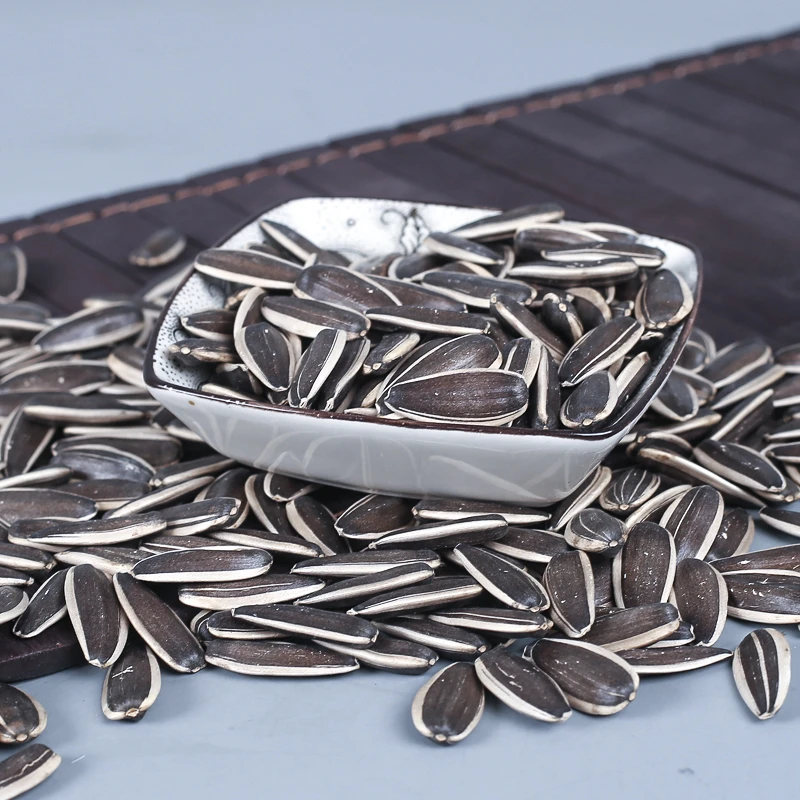
The primary raw material is the sunflower seed ( Helianthus annuus), specifically cultivars selected for seed size, oil content, and shell thickness. Sunflower seeds comprise a shell (hull) approximately 30-40% of the total weight, a kernel (meat) constituting 50-60% and an embryo. The kernel’s oil content typically ranges from 40-55%, predominantly linoleic acid (a polyunsaturated omega-6 fatty acid). The ‘chicken juice’ flavor is a complex mixture of food-grade flavoring compounds, typically including monosodium glutamate (MSG), disodium inosinate, disodium guanylate, hydrolyzed vegetable protein, maltodextrin, and artificial or natural chicken flavorings. Manufacturing commences with seed cleaning and dehulling, often utilizing mechanical abrasion and air separation. The dehulled seeds are then graded based on size and quality. Flavor application is typically achieved via a rotating drum coater, where a viscous slurry containing the ‘chicken juice’ flavoring components, water, and a binding agent (typically modified food starch or maltodextrin) is sprayed onto the tumbling seeds. Critical parameters during coating include drum speed, slurry viscosity, spray rate, and drying temperature. Drying is crucial to remove excess moisture, ensuring flavor adhesion and preventing microbial growth. The seeds are dried using controlled-temperature air convection ovens. Post-drying, the seeds are cooled, inspected for quality, and packaged in airtight, moisture-resistant materials like metallized polypropylene or polyethylene films. Controlling the moisture content during drying (optimally around 2-4% by weight) is critical; insufficient drying leads to clumping and microbial spoilage, while excessive drying results in a brittle, less palatable product.
Performance & Engineering
The performance of chicken juice flavor sunflower seeds is characterized by several key engineering properties. The adherence of the flavoring to the seed surface is a critical factor, directly influencing perceived flavor intensity and preventing flavor dust formation during handling and consumption. This adhesion is governed by the surface tension of the coating slurry, the surface energy of the seed kernel, and the drying process. Environmental resistance is paramount, specifically resistance to moisture and oxygen. Moisture ingress leads to flavor degradation, rancidity due to lipid oxidation, and microbial growth. Oxygen permeation accelerates lipid oxidation, leading to off-flavors and a decrease in nutritional value. Packaging materials must therefore exhibit low OTR (Oxygen Transmission Rate) and WVTR (Water Vapor Transmission Rate). Compliance requirements adhere to stringent food safety regulations set by organizations like the FDA (USA), EFSA (Europe), and GB standards (China) pertaining to permissible flavoring agents, contaminant levels (heavy metals, pesticides), and hygienic manufacturing practices (HACCP). Force analysis, specifically compression testing, assesses the seed’s structural integrity, identifying the force required to fracture the kernel. This is important for minimizing broken seed content during processing and transportation. The flavor coating must also withstand shear forces during packaging and handling without significant delamination. Furthermore, sensory evaluation plays a vital role, assessing the intensity, profile, and persistence of the ‘chicken juice’ flavor. Proper coating ensures consistent flavor delivery to the consumer.
Technical Specifications
| Parameter | Specification | Test Method | Acceptance Criteria |
|---|---|---|---|
| Moisture Content | 2.0 – 4.0% | Karl Fischer Titration (GB 5005-2008) | Within specified range |
| Flavor Coating Weight (%) | 5.0 – 8.0% | Loss on Drying | Within specified range |
| Broken Seed Content (%) | < 2.0% | Visual Inspection & Sieve Analysis | < 2.0% by weight |
| Oil Content (%) | 45.0 – 55.0% | Soxhlet Extraction (ISO 659-1) | Within specified range |
| Peroxide Value (meq O2/kg) | < 5.0 | Titration (GB 5005-2008) | Indicates rancidity; < 5.0 meq O2/kg |
| Packaging OTR (cm³/m²/day) | < 10 | ASTM D3985 | Low oxygen permeability |
Failure Mode & Maintenance
Common failure modes in chicken juice flavor sunflower seeds include flavor leaching, flavor fading, rancidity, and physical damage (broken seeds). Flavor leaching occurs when the flavor coating becomes detached from the seed kernel due to insufficient adhesion, often exacerbated by high humidity or mechanical abrasion during handling. Flavor fading results from the volatilization of flavoring compounds over time, accelerated by oxygen exposure and elevated temperatures. Rancidity is caused by the oxidation of unsaturated fatty acids within the seed kernel, leading to off-flavors and a decrease in product quality. This is mitigated by minimizing oxygen exposure and using antioxidants in the packaging material. Physical damage, such as broken seeds, can occur during dehulling, coating, drying, or packaging. Preventive maintenance focuses on optimizing the manufacturing process. This includes regular cleaning and calibration of coating drums, precise control of drying temperatures and humidity, and the use of appropriate packaging materials with effective barrier properties. Storage conditions are crucial. Seeds should be stored in a cool, dry place, away from direct sunlight and strong odors. Regular quality control checks, including moisture content analysis, peroxide value measurement, and sensory evaluation, are essential for identifying and addressing potential issues before they impact product quality. Packaging integrity should be regularly inspected to ensure effective barrier protection. Implementing a First-In, First-Out (FIFO) inventory management system minimizes storage time and reduces the risk of degradation.
Industry FAQ
Q: What is the optimal moisture content for maximizing shelf life and minimizing flavor degradation?
A: The optimal moisture content range is 2.0 – 4.0%. Below 2.0%, the seeds become overly brittle and prone to cracking. Above 4.0%, microbial growth and enzymatic activity accelerate, leading to flavor degradation and rancidity. Maintaining this range minimizes water activity, inhibiting both microbial spoilage and chemical reactions responsible for flavor loss.
Q: How do different packaging materials impact the shelf life of the product?
A: Packaging materials with low OTR (Oxygen Transmission Rate) and WVTR (Water Vapor Transmission Rate) are critical. Metallized polypropylene or polyethylene films are commonly used. The addition of desiccants within the packaging can further reduce moisture content. Vacuum packaging can also extend shelf life by removing oxygen. The choice depends on the desired shelf life and cost considerations.
Q: What is the role of maltodextrin in the flavor coating and what are the alternatives?
A: Maltodextrin acts as a carrier and binder for the flavoring compounds, ensuring uniform distribution and adhesion to the seed surface. It also contributes to the coating's texture. Alternatives include modified food starch, dextrin, and gum arabic, each offering varying degrees of binding strength, viscosity, and cost.
Q: What analytical methods are used to assess flavor adherence and prevent flavor dust?
A: Flavor adherence is evaluated through a combination of techniques. Visual inspection for uniform coating is the initial step. Solvent extraction followed by spectroscopic analysis (e.g., GC-MS) can quantify the amount of flavoring compounds adhered to the seeds. A 'dust test' involves agitating a sample of seeds and measuring the amount of flavor dust released.
Q: How can rancidity be effectively prevented during long-term storage?
A: Rancidity prevention relies on minimizing lipid oxidation. This is achieved through several strategies: controlling oxygen exposure via appropriate packaging, storing seeds in a cool, dark place, adding antioxidants (e.g., BHA, BHT, tocopherols) to the packaging material, and maintaining low moisture content. Regular peroxide value testing monitors the onset of rancidity.
Conclusion
Chicken juice flavor sunflower seeds represent a complex product requiring careful control over raw material quality, manufacturing processes, and packaging. Achieving optimal flavor adhesion, maintaining seed integrity, and ensuring long-term shelf stability necessitate a thorough understanding of material science principles and adherence to stringent quality control measures. The interplay between moisture content, oxygen permeability, and lipid oxidation profoundly influences product performance and consumer acceptability.
Future developments may focus on utilizing novel coating technologies to enhance flavor adhesion and reduce flavor leaching, as well as exploring biodegradable and compostable packaging materials to address environmental concerns. Continual monitoring of industry standards (FDA, EFSA, GB) and advancements in food science will be crucial for maintaining product quality and meeting evolving consumer demands. Optimization of the manufacturing process through statistical process control (SPC) offers further potential for minimizing defects and maximizing product consistency.
