Introduction
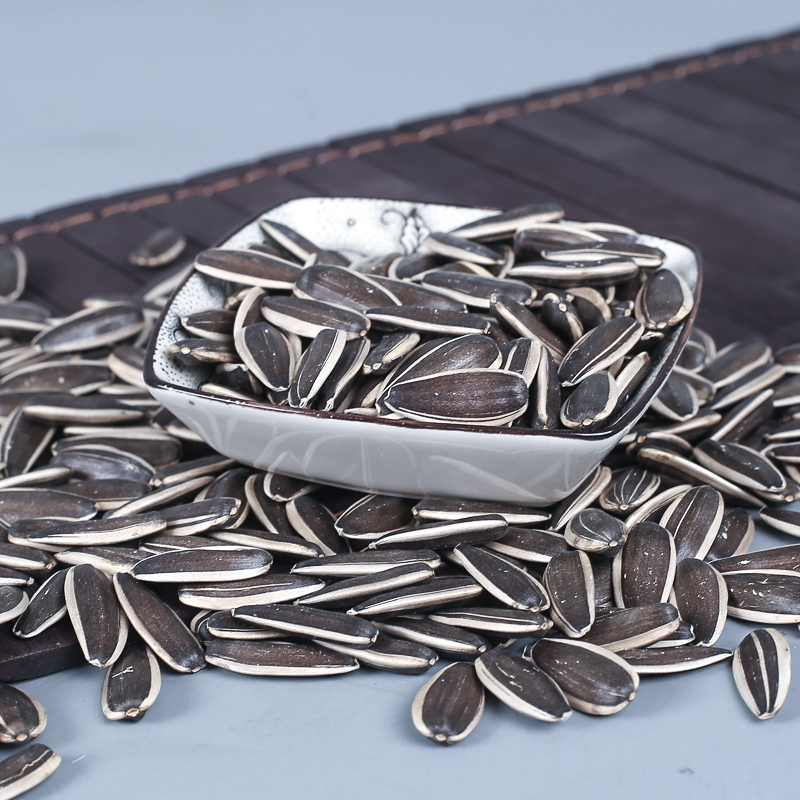
Cheap striped sunflower seeds (Helianthus annuus) represent a significant commodity within the agricultural food chain, functioning as a direct human food source, a component in animal feed, and a source material for oil extraction. Their positioning within the industry chain is relatively primary – immediately post-harvest and primary processing. They are typically differentiated from confectionery sunflower seeds by kernel size, oil content, and the presence of hull. Core performance characteristics center around oil yield, protein content, moisture levels, and the absence of contaminants (aflatoxins, pesticide residues). The economic viability of these seeds is largely dictated by their cost-effectiveness as a feed ingredient or a base material for refined oil, making consistent quality and supply chain stability paramount. A major pain point within the industry is ensuring consistent kernel quality across varying growing conditions and minimizing mycotoxin contamination, particularly aflatoxin B1, which impacts human and animal health and incurs significant economic losses due to rejected shipments.
Material Science & Manufacturing
The primary material science considerations for cheap striped sunflower seeds revolve around the composition of the kernel and hull. The kernel is predominantly composed of lipids (40-50% by weight, primarily linoleic acid), proteins (18-25%), carbohydrates (15-20%), and fiber. The hull consists primarily of cellulose, hemicellulose, and lignin. Manufacturing begins with seed selection, planting, and cultivation. Key parameters during growth include soil composition, water availability, and pest control. Harvesting is typically mechanized, followed by drying to reduce moisture content to around 9-10% to inhibit microbial growth. Cleaning processes utilize screens and air separation to remove debris and foreign matter. Striping, characteristic of these seeds, is a genetically determined trait linked to pigmentation in the hull. Post-harvest, the seeds undergo dehulling (removal of the hull), often a mechanical process. The efficiency of dehulling directly impacts yield and minimizes kernel damage. Quality control at this stage focuses on kernel size, color, and the presence of damaged kernels. Storage conditions, including temperature and humidity control, are crucial to prevent lipid oxidation and mycotoxin development. Lipid oxidation is accelerated by high temperatures and oxygen exposure. Moisture content exceeding 10% promotes fungal growth and aflatoxin production. Chemical compatibility analysis focuses on ensuring no leaching of pesticides or heavy metals from the hull or kernel during processing or storage.
Performance & Engineering
Performance evaluation of cheap striped sunflower seeds centers on several key engineering parameters. Oil extraction efficiency, measured as the percentage of oil recovered from the kernel, is a primary metric. This is heavily influenced by kernel density and lipid content. Hull strength is critical during dehulling, as brittle hulls can shatter, leading to loss of material and increased fines. A force analysis during dehulling reveals shear and compressive forces acting on the hull. Environmental resistance relates to the seeds’ ability to withstand storage conditions without significant degradation. This includes resistance to moisture absorption, temperature fluctuations, and insect infestation. Compliance requirements dictate maximum permissible levels of aflatoxins (typically governed by FDA or EU regulations), pesticide residues (regulated by international treaties and national standards), and heavy metal contaminants. Functional implementation considers the intended end-use – whether for oil production, animal feed, or direct consumption. Seeds destined for oil production require minimal hull damage, while those for animal feed can tolerate a higher level of hull inclusion. Particle size distribution of the seeds is also an engineering parameter, affecting flowability during processing and storage. Shear strength of the kernel also plays a role in milling operations for animal feed.
Technical Specifications
| Parameter | Unit | Typical Value (Range) | Test Method |
|---|---|---|---|
| Oil Content | % (dry weight basis) | 40-48% | NMR Spectroscopy (AOCS Official Method) |
| Protein Content | % (dry weight basis) | 18-24% | Kjeldahl Method (AOCS Official Method) |
| Moisture Content | % | 8-10% (max 12%) | Oven Drying Method (AOCS Official Method) |
| Kernel Size (Diameter) | mm | 8-12 mm | Sieve Analysis |
| Aflatoxin B1 | ppb | <20 ppb (regulatory limit) | HPLC-Fluorescence |
| Hull Percentage | % (by weight) | 20-30% (post-dehulling) | Visual Inspection & Weighing |
Failure Mode & Maintenance
Failure modes for cheap striped sunflower seeds primarily manifest as degradation during storage and processing. Lipid oxidation leads to rancidity, reducing oil quality and palatability. This is visually indicated by darkening of the kernels and a rancid odor. Aflatoxin contamination is a critical failure mode, rendering the seeds unusable for human or animal consumption. Mechanical damage during harvesting, dehulling, and handling leads to cracked kernels, increasing susceptibility to microbial attack and reducing oil yield. Moisture absorption causes fungal growth and promotes aflatoxin production. Insect infestation results in kernel damage and contamination. Maintenance strategies include proper storage in cool, dry, and well-ventilated conditions (temperature below 15°C and relative humidity below 65%). Regular monitoring of moisture content and aflatoxin levels is essential. Implementation of integrated pest management (IPM) strategies minimizes insect infestation. Proper cleaning and sanitation of processing equipment prevent cross-contamination. The use of oxygen absorbers in storage containers can slow down lipid oxidation. First-in, first-out (FIFO) inventory management ensures that older stock is used before newer stock, minimizing the risk of prolonged storage degradation. Failure analysis should involve microscopic examination of kernels to identify the cause of damage (e.g., fungal infection, insect damage, mechanical cracking).
Industry FAQ
Q: What are the primary factors influencing aflatoxin levels in these seeds?
A: Aflatoxin contamination is primarily influenced by environmental conditions during growth – specifically, drought stress coupled with high temperatures. These conditions weaken the plant’s defense mechanisms, making it more susceptible to infection by Aspergillus flavus, the fungus responsible for aflatoxin production. Improper storage conditions, particularly high humidity and temperature, also exacerbate aflatoxin development post-harvest.
Q: How does kernel size affect oil extraction efficiency?
A: Generally, larger kernels tend to have a higher oil content and are easier to process, resulting in improved oil extraction efficiency. Smaller kernels may have a higher hull-to-kernel ratio, reducing overall oil yield. However, consistent kernel size within a batch is more important than absolute size, as it ensures uniform processing and minimizes fines.
Q: What is the significance of the striping pattern on the hulls?
A: The striping pattern is primarily a visual characteristic used for differentiation and marketing. It doesn’t directly affect the oil content or nutritional value of the kernel. The intensity and pattern of the striping are genetically determined and can vary depending on the sunflower variety.
Q: What dehulling methods are commonly used, and what are their advantages and disadvantages?
A: Common dehulling methods include impact dehulling (using rotating drums or plates) and friction dehulling (using abrasive surfaces). Impact dehulling is faster but can cause more kernel damage. Friction dehulling is gentler but may be less efficient. A combination of both methods is often employed to optimize dehulling efficiency and minimize kernel damage. The choice of method depends on the variety of sunflower seed and the desired level of kernel integrity.
Q: What are the key differences between confectionery and non-confectionery sunflower seeds, and how does that impact pricing?
A: Confectionery sunflower seeds are characterized by their larger kernel size, higher degree of uniformity, and generally lower hull percentage. They are specifically grown for direct human consumption. Non-confectionery, or oilseed-type, seeds are smaller, have a higher hull percentage, and are primarily used for oil extraction or animal feed. Confectionery seeds command a significantly higher price due to their enhanced aesthetic appeal and suitability for snacking.
Conclusion
Cheap striped sunflower seeds represent a vital component of the global agricultural landscape, serving diverse applications from oil production to animal feed. Maintaining quality, specifically minimizing aflatoxin contamination and optimizing oil yield, are the paramount challenges facing the industry. Understanding the material science underpinning kernel and hull composition, coupled with meticulous control of manufacturing processes – from cultivation to storage – is critical for ensuring a consistent and economically viable product.
Future advancements will likely focus on developing sunflower varieties with enhanced resistance to drought and fungal infection, alongside improved dehulling technologies to minimize kernel damage and maximize oil recovery. Further research into effective and sustainable aflatoxin mitigation strategies, including biological control methods, will also be crucial for safeguarding the food supply and reducing economic losses. Adherence to stringent international standards and continuous monitoring of quality parameters will remain essential for maintaining consumer confidence and market access.
