Introduction
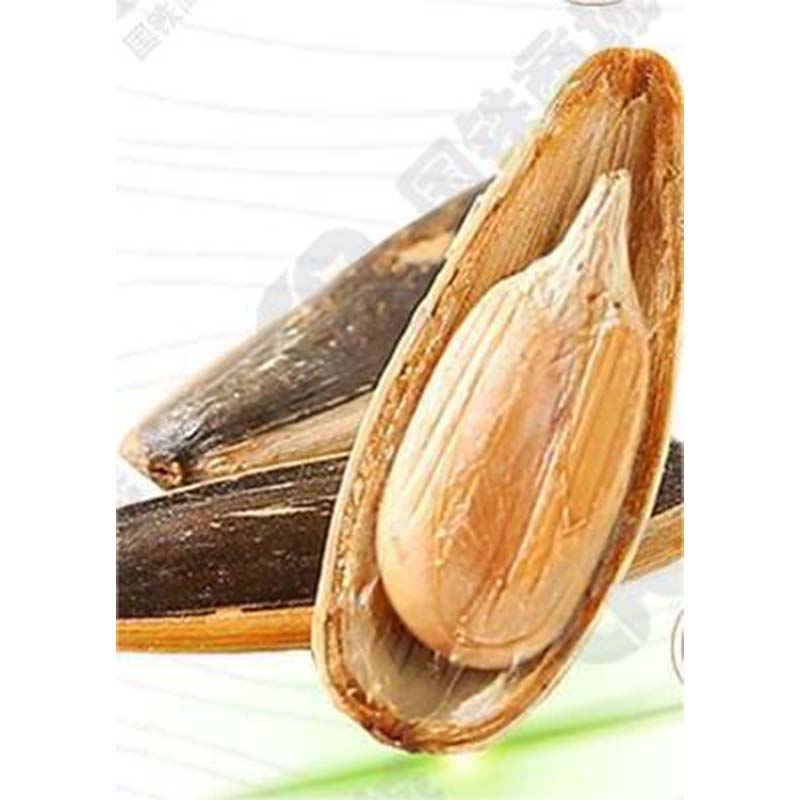
Cantaloupe flavored sunflower seeds represent a processed snack food product derived from the seed of Helianthus annuus. Positioned within the broader snack food industry, these seeds are specifically categorized as flavored seeds, competing with similar products such as salted, barbeque, and other fruit-flavored sunflower seeds. Their technical position lies in the confluence of agricultural processing, food chemistry (flavor application), and packaging technologies to ensure product stability and palatability. Core performance characteristics center on flavor adhesion, seed integrity (minimizing broken kernels), moisture content, and overall sensory appeal. The industry faces challenges regarding maintaining consistent flavor profiles, preventing rancidity due to lipid oxidation, and addressing consumer demand for natural and healthier snack options. Furthermore, controlling acrylamide formation during roasting is a key concern for manufacturers.
Material Science & Manufacturing
The primary raw material is, of course, the sunflower seed kernel itself. Sunflower seeds are composed primarily of lipids (40-50% by weight, predominantly linoleic acid), proteins (20-25%), carbohydrates (15-20%), and fiber. Seed variety (oil-type vs. confection-type) significantly impacts kernel size, oil content, and shell thickness. The flavor coating typically comprises sucrose, dextrose, maltodextrin, artificial and/or natural flavorings (cantaloupe concentrate or synthetic cantaloupe flavor compounds), food colorings (typically Yellow 6 and Yellow 5), salt, and potentially citric acid for tartness enhancement. Manufacturing begins with seed cleaning and grading. Kernels are then de-hulled, often utilizing mechanical abrasion and air separation. Roasting is a critical step; precise temperature control (typically 140-160°C for 20-30 minutes) is essential to develop flavor, reduce moisture content (to approximately 3-5% to inhibit microbial growth and lipid oxidation), and achieve desired crispness. The cantaloupe flavoring is applied via a tumbling or fluidized bed coating process, utilizing a liquid coating solution. Multiple coating passes are common to achieve the desired flavor intensity. Finally, seeds are cooled and packaged in moisture-barrier films to maintain freshness.
Performance & Engineering
Performance assessment centers on several key engineering considerations. Flavor adhesion strength, measured via shear testing, is critical to minimize flavor dusting and ensure a consistent sensory experience. The roasting process induces internal stresses within the seed kernel; careful control of heating rates and cooling profiles is vital to prevent cracking or fracturing. Moisture content significantly impacts shelf life. Water activity (aw) must be maintained below 0.6 to inhibit microbial growth and lipid oxidation. Packaging material selection is paramount. Films with low oxygen transmission rates (OTR) and low water vapor transmission rates (WVTR) are required to protect the product from oxidative degradation and moisture uptake. Furthermore, force analysis during handling (e.g., during packaging and transport) needs to be considered to minimize seed breakage. Compliance requirements include adherence to food safety regulations (e.g., FDA regulations in the US, EFSA regulations in Europe) regarding permissible levels of contaminants, color additives, and flavorings. The particle size distribution of the flavor coating also impacts flowability and coating uniformity.
Technical Specifications
| Parameter | Specification | Test Method | Typical Deviation |
|---|---|---|---|
| Moisture Content | 3.0 – 5.0% | Karl Fischer Titration (AACC Method 812) | ±0.5% |
| Flavor Coating Weight (%) | 8.0 – 12.0% | Loss on Drying (AACC Method 815) | ±1.0% |
| Broken Kernel Rate (%) | < 5.0% | Visual Inspection / Sieve Analysis | ±1.0% |
| Peroxide Value (meq O2/kg) | < 5.0 | AOCS Cd 8-53 | ±0.5 |
| Water Activity (aw) | < 0.60 | Water Activity Meter (AACC Method 763) | ±0.02 |
| Acrylamide Content (µg/kg) | < 100 | GC-MS | ±10 |
Failure Mode & Maintenance
Common failure modes for cantaloupe flavored sunflower seeds include rancidity (due to lipid oxidation, manifested as an off-flavor), flavor dusting (loss of flavor coating during handling and storage), seed breakage (resulting from mechanical stress during processing or transport), and moisture uptake (leading to loss of crispness and potential microbial growth). Rancidity is accelerated by exposure to oxygen, light, and elevated temperatures. Flavor dusting is influenced by coating adhesion strength and surface morphology. Seed breakage is related to kernel brittleness and handling stresses. Maintenance strategies focus on optimizing roasting parameters to minimize internal stresses, employing effective packaging materials with low OTR and WVTR, and controlling storage conditions (temperature, humidity, light exposure). Regular monitoring of peroxide value is crucial to detect the onset of rancidity. Shelf-life studies under accelerated conditions (elevated temperature and humidity) are essential for predicting product stability. Proper cleaning and sanitation of processing equipment are also vital to prevent microbial contamination.
Industry FAQ
Q: What are the primary drivers of flavor loss in cantaloupe flavored sunflower seeds?
A: The main drivers are insufficient flavor coating adhesion, mechanical abrasion during handling, and the hygroscopic nature of the coating – meaning it absorbs moisture from the air, weakening the bond and causing dusting. The type of coating material and the application process significantly impact adhesion.
Q: How does seed variety affect the final product quality?
A: Oil-type sunflower seeds generally have higher oil content, leading to a richer flavor but also increased susceptibility to rancidity. Confection-type seeds have a thicker hull, providing some protection during processing, and typically have a slightly lower oil content. Kernel size also impacts coating uniformity.
Q: What packaging materials are most effective at extending shelf life?
A: Multi-layer films incorporating a metallized layer (e.g., aluminum foil) and a polyethylene or polypropylene inner layer offer the best barrier properties against oxygen, moisture, and light. Modified atmosphere packaging (MAP) with nitrogen flushing can further reduce oxidation rates.
Q: What quality control tests are essential for monitoring product consistency?
A: Moisture content, flavor coating weight, broken kernel rate, peroxide value, water activity, and acrylamide content are all critical parameters. Regular sensory evaluation (taste panels) is also important to assess flavor profile and detect off-flavors.
Q: What are the regulatory considerations regarding color additives used in the flavoring?
A: Color additives are subject to strict regulation by food safety authorities (e.g., FDA, EFSA). Only approved colorants can be used, and they must be used within specified limits. Documentation demonstrating compliance with these regulations is essential.
Conclusion
Cantaloupe flavored sunflower seeds represent a complex product requiring careful control throughout the entire manufacturing process, from seed selection to packaging. Maintaining optimal flavor adhesion, preventing rancidity, and ensuring product safety are paramount concerns. The performance characteristics are fundamentally linked to the material properties of the seed kernel and coating components, as well as the engineering parameters employed during processing.
Future advancements will likely focus on developing more robust flavor coating formulations with improved adhesion and oxidation resistance, exploring natural alternatives to synthetic flavorings and colorings, and implementing more sophisticated packaging technologies to extend shelf life and minimize environmental impact. Continuous monitoring and adherence to stringent quality control standards are essential for consistent product quality and consumer satisfaction.
