Introduction
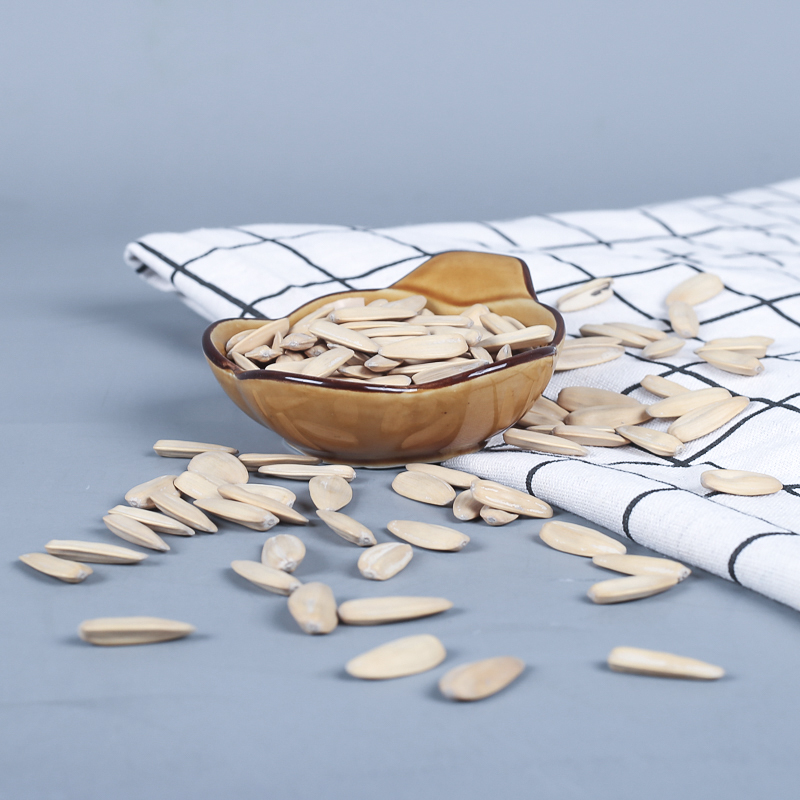
Sunflower seeds ( Helianthus annuus ) represent a significant commodity within the agricultural and food processing industries. Their technical position resides within the oleaginous seed supply chain, functioning as a source of edible oil, snack food, and feed for livestock. Core performance characteristics revolve around oil content, protein levels, fatty acid profiles, and kernel integrity. Procurement decisions necessitate detailed consideration of seed variety (oilseed vs. confectionary), moisture content, hulling percentage, and the presence of mycotoxins. The rising demand for plant-based protein and healthy fats drives increasing scrutiny of sunflower seed quality and sourcing transparency. Critical industry pain points include inconsistent seed quality between harvests, challenges in maintaining optimal storage conditions to prevent rancidity, and increasing regulations concerning pesticide residues and genetic modification.
Material Science & Manufacturing
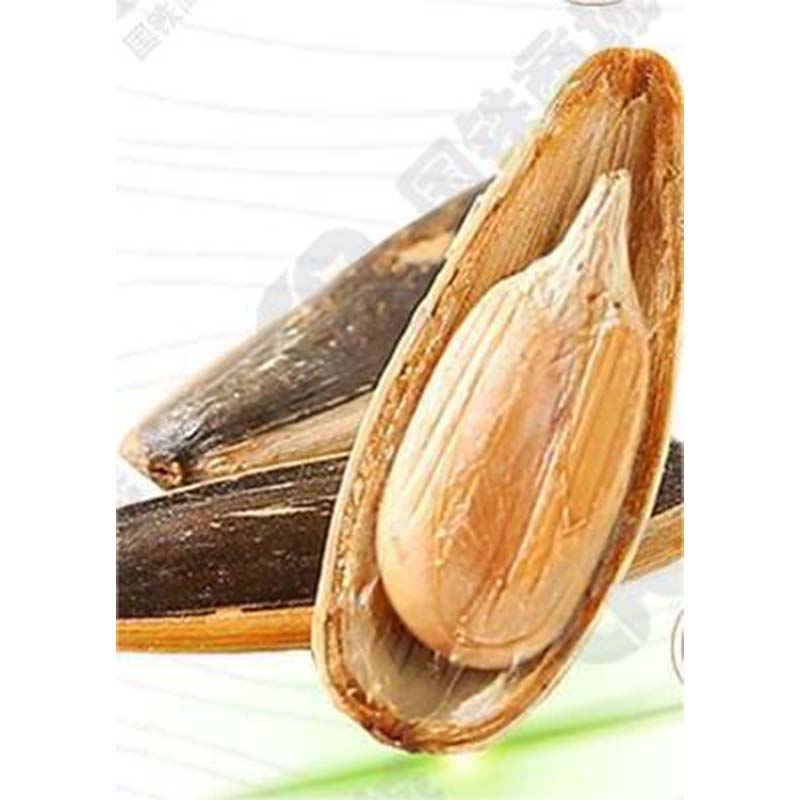
Sunflower seeds are biologically complex structures. The kernel, constituting roughly 42-50% of the seed mass, is primarily composed of lipids (35-55%), proteins (18-25%), carbohydrates (15-20%) and fiber (6-8%). The hull (or pericarp), representing the remaining mass, provides physical protection and contains lignocellulosic materials. Oil composition is vital, with linoleic acid (omega-6) typically constituting 60-70%, oleic acid (omega-9) 20-30%, and palmitic acid 5-10%. Production commences with field cultivation, significantly impacted by soil composition, climate, and irrigation practices. Harvesting typically occurs when seed moisture content reaches 18-20%. Post-harvest processing involves cleaning, drying (to ~8-10% moisture content for storage), dehulling (mechanical removal of the hull), and grading based on kernel size and quality. Dehulling parameters – impact velocity, friction coefficient, and gap width – are critical to minimize kernel damage. Oil extraction utilizes mechanical pressing and/or solvent extraction (typically hexane). Refining processes include degumming, neutralization, bleaching, and deodorization to remove impurities and enhance oil stability. Confectionary seeds undergo further sorting and seasoning. Careful control of temperature and humidity during drying is crucial to prevent cracking and maintain oil quality, preventing lipid oxidation.
Performance & Engineering
Performance characteristics are intimately linked to both seed composition and processing parameters. Kernel hardness, measured via compression testing, dictates dehulling efficiency and breakage rates. Oil stability, assessed through Rancimat testing (AOM – Active Oxygen Method), determines shelf life and susceptibility to oxidative degradation. Fatty acid profiles impact nutritional value and suitability for specific applications (e.g., high-oleic sunflower oil for frying). Hulling efficiency, calculated as the percentage of kernels successfully separated from hulls, is a key performance indicator in processing. Moisture content directly influences storage stability; exceeding 10% promotes fungal growth and aflatoxin contamination. The mechanical stresses during dehulling necessitate understanding of fracture mechanics – hull-kernel adhesion forces and kernel tensile strength. Environmental resistance is pertinent to storage; high temperatures and humidity accelerate lipid oxidation and microbial proliferation. Compliance requirements include adherence to maximum residue limits (MRLs) for pesticides established by regulatory bodies like the EPA and EFSA, and meeting standards for genetically modified organisms (GMOs) as defined by national labeling regulations. Force analysis during processing is performed to optimize equipment settings and minimize damage.
Technical Specifications
| Parameter | Oilseed Variety | Confectionary Variety | Units | Test Method |
|---|---|---|---|---|
| Oil Content (Dry Basis) | 48-55 | 38-45 | % | NMR (Nuclear Magnetic Resonance) |
| Kernel Moisture Content | 8-10 | 8-10 | % | Oven Drying (AOAC) |
| Hull Percentage | 20-28 | 10-15 | % | Visual Sorting & Weight |
| Linoleic Acid Content | 60-70 | 50-65 | % of Total Fatty Acids | GC-FID (Gas Chromatography – Flame Ionization Detector) |
| Free Fatty Acids (FFA) | <0.5 | <0.3 | % | Titration |
| Peroxide Value (PV) | <5 | <3 | meq O2/kg | Iodometric Titration (AOCS) |
Failure Mode & Maintenance
Sunflower seed failures manifest in several forms. Lipid oxidation (rancidity) is a primary degradation pathway, accelerated by elevated temperatures, light exposure, and the presence of trace metals. Cracking and breakage during handling and processing diminish market value. Aflatoxin contamination by Aspergillus flavus poses a significant health risk, necessitating stringent quality control. Insect infestation during storage leads to seed loss and quality degradation. Moisture-induced degradation promotes fungal growth and alters seed composition. Failure analysis involves assessing oil quality (peroxide value, FFA), examining kernel integrity (crack percentage, breakage rate), and quantifying mycotoxin levels (HPLC-MS/MS). Maintenance strategies include: controlled atmosphere storage (low temperature, low oxygen), regular pest control measures, proper cleaning and drying procedures, and implementing a robust HACCP (Hazard Analysis and Critical Control Points) plan. Seed coatings can provide a barrier against moisture and insect penetration. Maintaining equipment used in dehulling and processing, including regular inspection and replacement of worn parts, prevents mechanical damage to the kernels.
Industry FAQ
Q: What is the acceptable level of aflatoxin in sunflower seeds destined for human consumption?
A: Regulatory limits for aflatoxin vary by region. In the United States, the FDA sets a maximum limit of 20 parts per billion (ppb). The European Union has a limit of 2 µg/kg (equivalent to 2 ppb) for total aflatoxins. Exceeding these limits renders the seeds unfit for human consumption and necessitates rejection of the entire lot.
Q: How does the oilseed versus confectionary variety impact the desired moisture content at harvest?
A: Oilseed varieties generally tolerate slightly higher moisture contents at harvest (up to 20%) without significant quality loss, as the primary objective is oil extraction. Confectionary varieties, intended for direct consumption, require lower moisture levels (18% or less) to prevent fungal growth and maintain optimal kernel texture and flavor.
Q: What analytical techniques are employed to determine the fatty acid profile of sunflower oil?
A: Gas Chromatography with Flame Ionization Detection (GC-FID) is the standard technique for quantifying fatty acid composition. Samples are transesterified to convert triglycerides into fatty acid methyl esters (FAMEs), which are then separated and detected by GC-FID. The area under each peak corresponds to the concentration of each fatty acid.
Q: What are the primary causes of cracking during the dehulling process?
A: Kernel cracking during dehulling is typically attributed to excessive impact force, improper adjustment of dehulling equipment (e.g., insufficient gap width or excessive speed), and pre-existing stress concentrations in the kernels due to rapid drying or damage during harvest. Kernel hardness also plays a role; harder kernels are more susceptible to cracking.
Q: How does storage temperature affect the shelf life of sunflower seeds?
A: Lower storage temperatures significantly extend shelf life. Storing seeds at temperatures below 15°C (59°F) dramatically slows down the rate of lipid oxidation and enzymatic activity. Optimal storage occurs at temperatures between 5-10°C (41-50°F) and with humidity control (below 65%).
Conclusion
Sunflower seed procurement and processing require a multifaceted understanding of material science, engineering principles, and industry-specific quality control measures. Optimizing seed quality hinges on careful consideration of variety selection, meticulous post-harvest handling, and adherence to stringent storage protocols. The increasing demand for healthy oils and plant-based protein necessitates continuous improvement in production efficiency and quality assurance procedures.
Future trends will likely focus on developing sunflower varieties with enhanced oil stability, improved resistance to aflatoxin contamination, and optimized traits for mechanical processing. Implementing advanced monitoring technologies – such as near-infrared spectroscopy (NIRS) for rapid quality assessment – and embracing sustainable agricultural practices will be crucial for ensuring a reliable and high-quality sunflower seed supply chain.
