Introduction
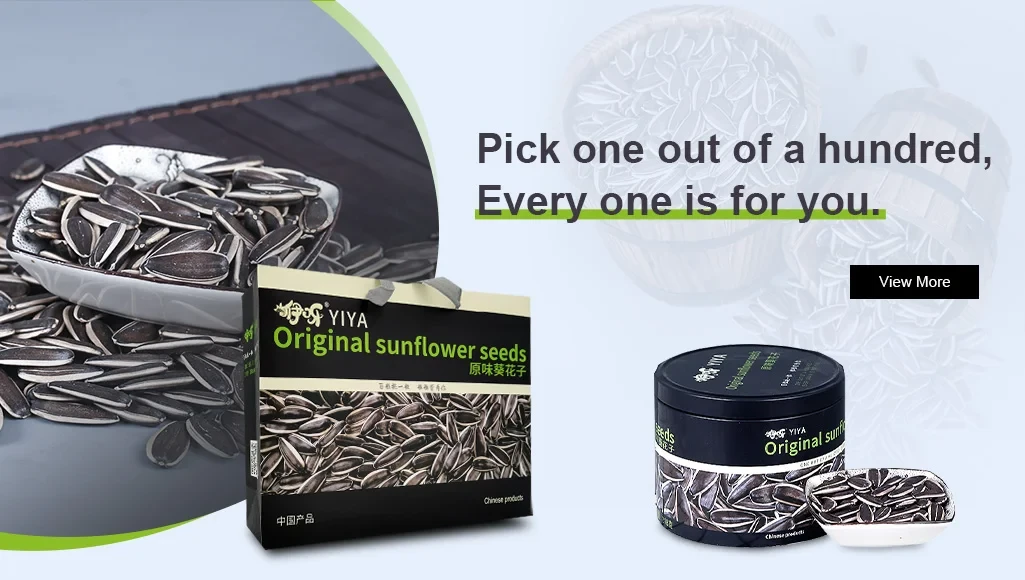
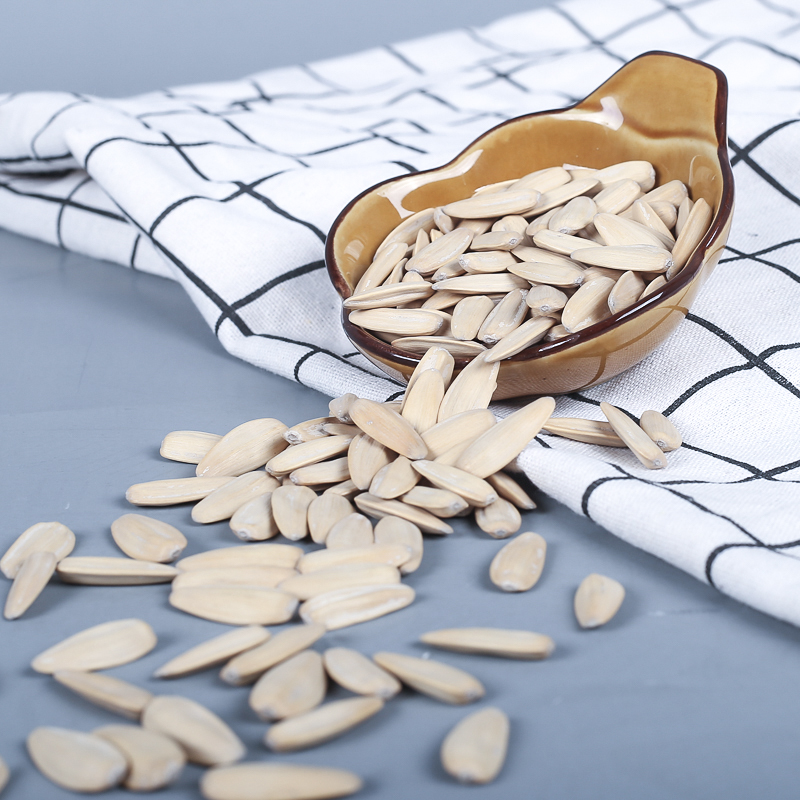
Sunflower seeds ( Helianthus annuus) represent a significant agricultural commodity, primarily utilized as a human food source, livestock feed, and for oil extraction. Within the global oilseed industry, sunflower seeds occupy a position of substantial, though fluctuating, market share, influenced by factors such as climate, geopolitical events, and competing oilseed crops (soybean, rapeseed, palm). The seeds are categorized based on their hull characteristics – confectionary (black stripe or oilseed type with thinner hulls) and non-confectionary (oilseed type, thicker hulls). Core performance indicators include oil content (40-58% by weight), protein content (18-25%), linoleic acid concentration, and the presence of key micronutrients (Vitamin E, magnesium). Understanding these factors is crucial for buyers seeking specific seed qualities for targeted applications, from direct consumption to industrial processing. The increasing demand for healthy fats and plant-based proteins drives continuous improvement in sunflower breeding and processing techniques.
Material Science & Manufacturing
Sunflower seed composition is dominated by lipids, proteins, carbohydrates, and a fibrous hull. The lipid fraction comprises triglycerides, with a characteristic fatty acid profile rich in linoleic acid (omega-6). Protein constituents are primarily globulins and albumins. The hull is composed of cellulose, hemicellulose, and lignin, contributing to its structural integrity and protective function. Manufacturing begins with field cultivation, demanding specific soil conditions (well-drained loam) and climatic requirements (adequate sunlight and rainfall). Harvesting utilizes combine harvesters, which separate the seed heads from the stalks. Post-harvest processing involves cleaning (removal of debris), drying (to reduce moisture content to ~8-10% for storage stability), dehulling (removal of the outer hull, primarily for confectionary seeds), sizing/grading (based on seed dimensions and weight), and quality control (assessment of oil content, moisture, and foreign material). Dehulling is mechanically achieved using abrasive or impact methods, necessitating precise calibration to minimize seed damage. Storage conditions – low temperature (below 15°C) and humidity (below 65%) – are paramount to prevent lipid oxidation and fungal growth. Seed coatings, often polymeric films, are occasionally applied to improve flowability and protect against insect infestation.
Performance & Engineering
The engineering performance of sunflower seeds is defined by their physical robustness, particularly resistance to cracking during processing and transportation. Force analysis during dehulling reveals critical stress points and optimal impact velocities to minimize kernel breakage. Environmental resistance considerations focus on moisture uptake and subsequent lipid degradation. High humidity promotes the growth of molds and the production of mycotoxins (aflatoxins), requiring stringent moisture control. The seeds' thermal properties (specific heat capacity, thermal conductivity) dictate drying efficiency and optimal storage temperatures. Compliance requirements vary by country, but generally adhere to standards set by food safety agencies (FDA, EFSA) regarding permissible levels of heavy metals (lead, cadmium), pesticides, and mycotoxins. Furthermore, oil extraction processes – solvent extraction (hexane) or mechanical pressing – demand seeds with consistent physical characteristics to maximize yield and minimize oil impurities. Functional implementation, particularly in confectionary applications, requires seeds with consistent size and shape for automated packaging and consistent consumer experience.
Technical Specifications
| Parameter | Unit | Confectionary Grade | Oilseed Grade |
|---|---|---|---|
| Oil Content (Dry Basis) | % | 48-54 | 40-48 |
| Protein Content (Dry Basis) | % | 20-24 | 18-22 |
| Moisture Content | % | < 8.5 | < 8.5 |
| Kernel Damage (Broken/Discolored) | % | < 2 | < 5 |
| Foreign Material | % | < 1 | < 2 |
| Hull Content | % | < 5 | 15-25 |
Failure Mode & Maintenance
Sunflower seeds are susceptible to several failure modes. Lipid oxidation is a primary concern, leading to rancidity and reduced nutritional value. This is accelerated by exposure to oxygen, light, and elevated temperatures. Mechanical damage during harvesting, processing, and transportation causes kernel cracking, increasing susceptibility to fungal infection. Fungal contamination, particularly by Aspergillus species, results in aflatoxin production, rendering the seeds unsafe for consumption. Insect infestation (storage pests) causes seed weight loss and reduces seed quality. Degradation of the hull structure, due to improper drying or storage, compromises seed integrity. Maintenance strategies involve optimizing drying processes to minimize seed damage, implementing effective pest control measures (insecticides, controlled atmosphere storage), ensuring proper storage conditions (temperature and humidity control), and employing robust quality control protocols to detect and reject contaminated batches. Regular monitoring of seed moisture content and visual inspection for signs of fungal growth or insect activity are crucial preventative measures.
Industry FAQ
Q: What is the acceptable level of aflatoxin in sunflower seeds for human consumption, and what testing methods are commonly employed?
A: The acceptable level of total aflatoxins in sunflower seeds varies by regulatory jurisdiction. The US FDA sets a limit of 20 ppb (parts per billion), while the European Union typically adheres to a maximum of 2 µg/kg (equivalent to 2 ppb). Common testing methods include Enzyme-Linked Immunosorbent Assay (ELISA), Thin Layer Chromatography (TLC), and High-Performance Liquid Chromatography (HPLC) with fluorescence detection. HPLC is considered the most accurate and sensitive method, but ELISA offers a cost-effective and rapid screening option.
Q: How does the linoleic acid content in sunflower seeds impact its suitability for different oil extraction processes (e.g., cold pressing vs. solvent extraction)?
A: Higher linoleic acid content (typically around 65-75%) can pose challenges during cold pressing, as it leads to a more viscous oil and potentially lower yields. Cold pressing is more effective with seeds containing a higher proportion of oleic acid (high-oleic sunflower varieties). Solvent extraction (using hexane) is less sensitive to linoleic acid content and generally achieves higher oil yields across all sunflower seed types. The choice of extraction method also impacts oil quality; cold-pressed oil retains more natural antioxidants but may have a shorter shelf life.
Q: What are the key differences in storage requirements between confectionary and oilseed grade sunflower seeds?
A: Confectionary grade seeds, being intended for direct consumption, require more stringent storage conditions to maintain their palatability and prevent off-flavors. Lower temperatures (below 5°C) are recommended to minimize lipid oxidation. Oilseed grade seeds, destined for oil extraction, can tolerate slightly higher storage temperatures (up to 15°C) but still require low humidity to prevent fungal growth. Both grades benefit from airtight storage containers to minimize oxygen exposure.
Q: How does the seed size and shape distribution influence the efficiency of dehulling operations?
A: A uniform seed size and shape distribution is crucial for optimal dehulling efficiency. Significant variations in size and shape can lead to inconsistent cracking patterns and increased kernel damage. Grading seeds by size before dehulling helps to ensure a more uniform process and minimizes losses. Dehulling equipment is typically calibrated for a specific seed size range, and deviations from this range can negatively impact performance.
Q: What are the industry best practices for preventing insect infestation during long-term storage of sunflower seeds?
A: Best practices include thorough cleaning of storage facilities, maintaining low temperatures (below 15°C), controlling humidity (below 65%), and employing airtight storage containers. Preventative insecticide applications may be used, but must adhere to regulatory guidelines regarding permissible residues. Regular monitoring for signs of insect activity (live insects, frass) is essential. Controlled atmosphere storage (reducing oxygen levels) is an effective, though more expensive, alternative for long-term preservation.
Conclusion
Sunflower seeds, despite appearing simple, possess a complex interplay of material properties and processing considerations. Successful procurement requires a nuanced understanding of seed grades, oil content, protein profiles, and potential failure modes. Maintaining seed quality throughout the supply chain – from field to consumer – is paramount, demanding diligent adherence to temperature, humidity, and sanitation protocols. The selection of appropriate storage and processing methods directly impacts both the nutritional value and economic viability of this vital agricultural commodity.
Future advancements in sunflower breeding will likely focus on enhancing oil quality (increasing oleic acid content), improving disease resistance, and optimizing seed characteristics for specific processing applications. Continued research into sustainable storage technologies and effective pest management strategies will also be critical to ensuring a reliable and high-quality supply of sunflower seeds to meet growing global demand.
