Introduction
Sunflower seeds for planting ( Helianthus annuus ) represent a significant component of the agricultural supply chain, positioned between seed breeders and commercial agricultural operations, or directly to the consumer gardening market. These seeds are not merely a biological commodity; their quality dictates yield potential, oil content (in oilseed varieties), confectionary characteristics (in non-oilseed varieties), and overall crop health. The industry focuses intensely on genetic purity, germination rates, disease resistance, and seed vigor. Modern sunflower seed production encompasses sophisticated breeding programs, meticulous harvesting protocols, advanced seed processing techniques, and rigorous quality control measures. This guide will delve into the material science of the seed itself, the manufacturing processes involved in its production, its performance characteristics, potential failure modes, and relevant industry standards.
Material Science & Manufacturing
Sunflower seeds are composed primarily of a seed coat (pericarp), embryo, and endosperm. The pericarp, providing physical protection, consists of cellulose, hemicellulose, and lignin – polymers providing structural rigidity. The embryo contains the nascent plant and is rich in proteins, lipids, and carbohydrates. The endosperm constitutes the bulk of the seed and is the primary storage site for oils (primarily linoleic and oleic acids) and proteins. Seed oil content ranges from 40-60% depending on the variety.
Manufacturing begins with controlled pollination and harvesting. Hybrid seed production utilizes carefully managed crossing blocks to ensure genetic uniformity. Harvesting occurs when seed moisture content reaches 12-15% to minimize damage and prevent fungal growth. Post-harvest processing involves cleaning (removal of chaff, stems, and debris), drying (to 8-10% moisture content for long-term storage), dehulling (optional, particularly for confectionary varieties to improve appearance and digestibility), sizing (separation based on seed diameter), and grading. Seed treatment, often involving fungicide and insecticide application, is crucial to protect against soilborne pathogens and insect pests. Precise control of drying temperature is paramount; excessive heat denatures proteins and reduces germination rates. Grading relies on specific gravity separation and visual inspection for defects, adhering to stringent quality standards.
Performance & Engineering
Sunflower seed performance is critically defined by germination rate, seedling vigor, and oil yield (for oilseed varieties). Germination rate is influenced by seed viability, dormancy, and environmental factors (temperature, moisture, oxygen). Seed vigor refers to the seed’s ability to establish a strong, healthy seedling under less-than-ideal conditions. Oil yield is directly related to oil content and seed weight.
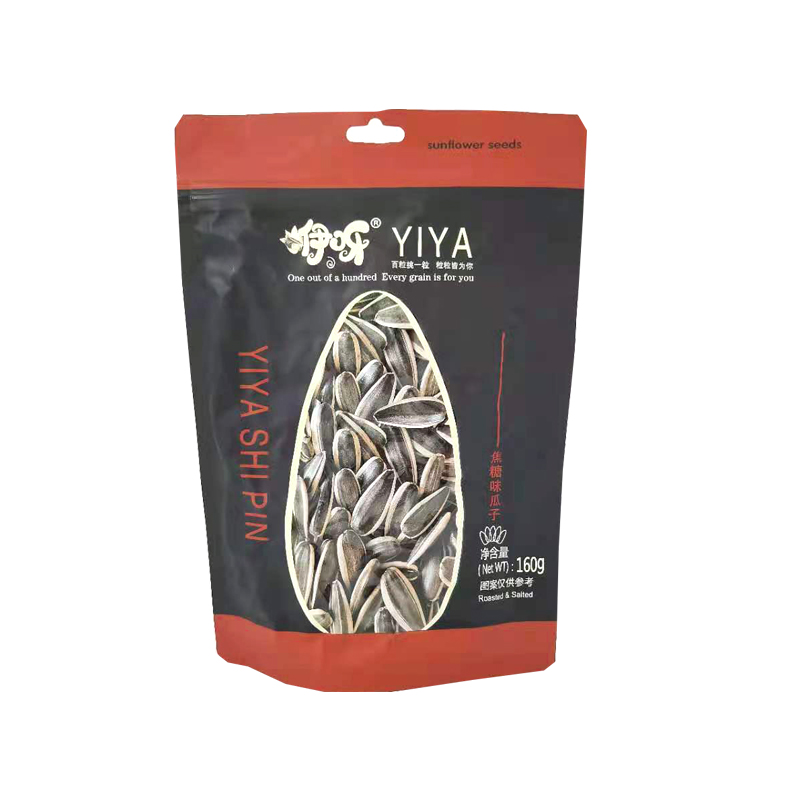
Engineering considerations extend to storage stability. Sunflower seeds are susceptible to lipid oxidation, leading to rancidity and reduced germination. Optimal storage conditions include low temperature (below 15°C), low humidity (below 60% relative humidity), and protection from light. Seed packaging utilizes moisture-barrier materials to prevent moisture uptake. Furthermore, seed drill compatibility is a key performance metric; seed size and shape must be optimized for precise metering and uniform placement in the soil. Force analysis during seed handling and planting highlights the importance of seed coat strength to prevent cracking and damage. Compliance requirements include adherence to seed purity standards set by regulatory bodies and labeling regulations regarding seed treatment chemicals.
Technical Specifications
| Parameter | Unit | Oilseed Variety | Confectionary Variety |
|---|---|---|---|
| Germination Rate | % | ≥ 85 | ≥ 90 |
| Moisture Content | % | 8-10 | 8-10 |
| Oil Content | % | 48-58 | 20-30 |
| Seed Size (Diameter) | mm | 12-16 | 16-20 |
| 1000-Seed Weight | g | 50-70 | 70-100 |
| Purity | % | ≥ 99 | ≥ 99 |
Failure Mode & Maintenance
Sunflower seed failure can manifest in several forms. Pre-germination failures include seed dormancy, genetic defects, mechanical damage during processing, and insufficient seed vigor. Post-germination failures involve seedling blight (caused by fungal pathogens), insect damage, and environmental stress (drought, heat, frost). Lipid oxidation during storage leads to reduced germination and oil quality. Fungal contamination (e.g., Aspergillus flavus) can produce aflatoxins, rendering the seeds unusable for both planting and consumption.
Maintenance (proper storage) is critical. Regular monitoring of seed moisture content and temperature is essential. Implementing a robust pest control program minimizes insect infestation. Seed treatment with appropriate fungicides and insecticides provides protection against pathogens and pests. Rotation of seed storage locations prevents localized buildup of contaminants. For seeds experiencing reduced germination rates, re-treatment with protective coatings can sometimes improve viability, but this is dependent on the nature of the degradation. Implementing a First-In, First-Out (FIFO) inventory management system ensures that older seed stocks are used before newer ones, minimizing the risk of deterioration.
Industry FAQ
Q: What factors most significantly impact sunflower seed germination rate?
A: Germination rate is primarily influenced by seed viability, which is intrinsically linked to genetic purity and seed handling practices. Adequate moisture levels, appropriate soil temperature (optimal range is 20-25°C), and sufficient oxygen are also crucial. Damage to the seed coat during harvesting, processing, or storage can significantly reduce germination.
Q: How do different seed treatments affect crop performance?
A: Seed treatments, typically involving fungicides and insecticides, protect seedlings from soilborne pathogens and insect pests, promoting healthier early growth and improved stand establishment. Some treatments also include biostimulants to enhance seedling vigor. The specific treatment should be tailored to the anticipated pest and disease pressures in the growing region.
Q: What are the key differences between oilseed and confectionary sunflower varieties regarding quality control?
A: Oilseed varieties are primarily evaluated based on oil content, oil quality (fatty acid profile), and protein content. Quality control focuses on ensuring high oil yield and maintaining desired fatty acid ratios. Confectionary varieties emphasize seed size, shape, and the absence of hull damage. Hull integrity is vital for visual appeal and ease of consumption. Aflatoxin levels are rigorously monitored in both types.
Q: What is the recommended storage life for sunflower seeds, and how is it affected by storage conditions?
A: Under optimal storage conditions (low temperature and humidity), sunflower seeds can maintain acceptable germination rates for 2-3 years. However, storage life is significantly reduced by elevated temperatures and humidity. Lipid oxidation and fungal growth accelerate deterioration. Regular monitoring of seed quality is crucial, even during short-term storage.
Q: How does seed size impact planting precision and seedling emergence?
A: Uniform seed size is essential for precise metering in pneumatic planters, ensuring consistent seed spacing and depth. Larger seeds generally have more stored energy reserves, potentially leading to faster and more vigorous seedling emergence, especially under stressful conditions. However, excessively large seeds may require adjustments to planter settings.
Conclusion
Sunflower seed production is a complex process demanding meticulous attention to detail throughout the entire value chain, from breeding and harvesting to processing and storage. Understanding the material science of the seed, coupled with rigorous quality control measures, is paramount to ensuring optimal germination rates, seedling vigor, and ultimately, crop yield. The selection of appropriate seed treatments and adherence to recommended storage practices are essential for maintaining seed viability and maximizing economic returns.
Future advancements in sunflower seed technology will likely focus on enhancing genetic resistance to diseases and pests, improving oil quality, and developing seed varieties better adapted to changing climate conditions. Continued investment in research and development, coupled with the implementation of best management practices, will be crucial for ensuring the long-term sustainability of the sunflower industry.
