Introduction
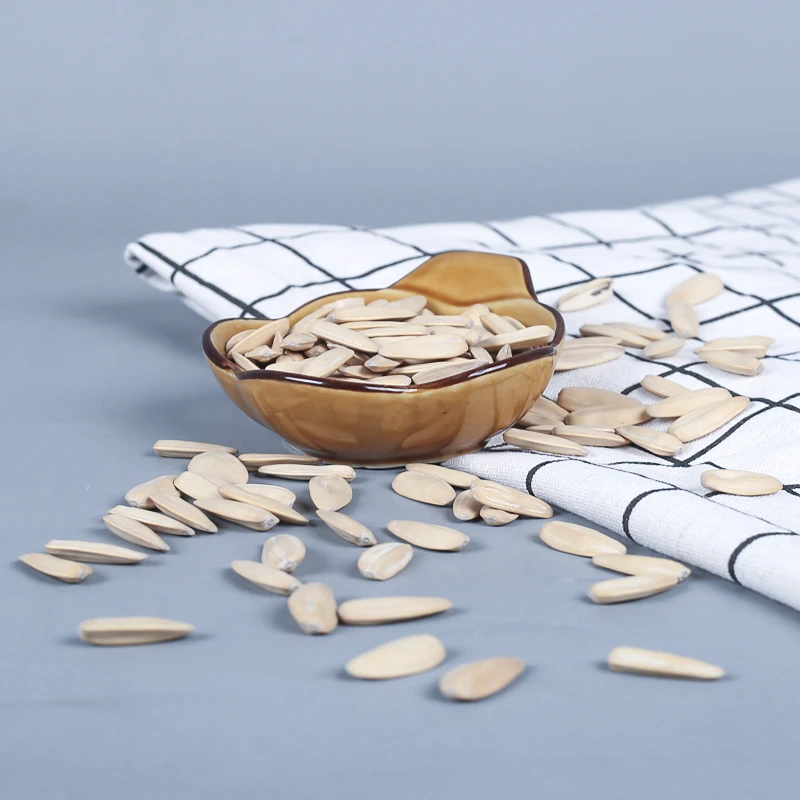
Melon seeds, specifically those intended for agricultural cultivation or human consumption, represent a critical component of the global food supply chain. This technical guide addresses the scientific and engineering principles underlying the quality, viability, and preservation of these seeds. While seemingly simple, the production of high-quality melon seeds involves rigorous quality control, sophisticated post-harvest processing, and adherence to stringent international standards. This document will delve into the material science of seed composition, manufacturing processes related to seed extraction and treatment, performance characteristics governing germination rates and plant vigor, potential failure modes affecting seed quality, and relevant industry regulations. The primary industry pain points are centered around maintaining consistent germination rates, preventing seed-borne diseases, and ensuring long-term storage stability in varying environmental conditions. Addressing these challenges directly impacts crop yields, food security, and economic profitability for growers and suppliers.
Material Science & Manufacturing
Melon seeds are biologically complex structures comprised primarily of an embryo, endosperm (nutrient reserve), and seed coat (testa). The seed coat, typically a multi-layered structure, is composed of cellulose, hemicellulose, and lignin, providing physical protection against mechanical damage and environmental stressors. The embryo contains the rudimentary plant structures – the radicle (future root), plumule (future shoot), and cotyledons (seed leaves) – essential for germination. The endosperm provides energy reserves in the form of starches, proteins, and lipids. The lipid composition, particularly the fatty acid profile, plays a crucial role in seed longevity and germination vigor.
Manufacturing processes begin with fruit harvesting at physiological maturity. Seed extraction involves mechanical separation followed by cleaning and drying. Drying is a critical step, typically conducted using controlled temperature and humidity conditions to reduce moisture content to around 7-8%, inhibiting enzymatic activity and microbial growth. Seed treatment often includes fungicide or insecticide application to prevent seed-borne diseases and pest infestations. Furthermore, priming, a controlled hydration process, can improve germination speed and uniformity. Parameter control during drying is paramount; excessive temperatures can damage the embryo, while inadequate drying fosters mold growth. The effectiveness of seed treatments is dependent on the proper dosage, application method, and compatibility with seed surface characteristics. Seed grading based on size and weight is also performed to ensure consistent planting density and emergence.

Performance & Engineering
Performance evaluation of melon seeds centers on germination percentage, germination rate, seedling vigor, and seed purity. Germination percentage, the proportion of seeds that successfully germinate under controlled conditions, is a primary indicator of seed quality. Germination rate, measured as the time required for 50% of the seeds to germinate (T50), reflects the speed of emergence. Seedling vigor assesses the initial growth rate and robustness of seedlings, often quantified by root and shoot length, dry weight, and leaf area. These parameters are influenced by seed viability, genetic potential, and environmental factors like temperature, moisture, and light.
Environmental resistance is crucial. Seed viability is impacted by temperature fluctuations, humidity levels, and exposure to ultraviolet (UV) radiation. The seed coat provides a degree of protection, but prolonged exposure to harsh conditions can lead to DNA damage and reduced germination capacity. Compliance requirements relate to seed certification standards, which vary by country. These standards dictate permissible levels of impurities, germination rates, and the absence of prohibited pathogens. Furthermore, the physical integrity of the seed during handling and planting is paramount; impact resistance and abrasion resistance are key considerations. Force analysis during planting operations highlights the need for seed coatings or treatments to minimize mechanical damage.
Technical Specifications
| Parameter | Unit | Typical Value (Hybrid Melon Seeds) | Acceptable Range |
|---|---|---|---|
| Germination Percentage (7 days) | % | 92 | ≥ 85 |
| Germination Rate (T50) | Days | 3 | ≤ 5 |
| Seed Moisture Content | % | 7.5 | 6.5 – 8.5 |
| Seed Purity | % | 99 | ≥ 98 |
| 1000-Seed Weight | g | 12 | 10 – 15 |
| Seed Coat Thickness | mm | 0.25 | 0.2 – 0.3 |
Failure Mode & Maintenance
Common failure modes for melon seeds include loss of viability due to aging, mechanical damage during handling, infection by seed-borne pathogens, and deterioration from improper storage. Aging results in the accumulation of damaged proteins and lipids, reducing embryo vigor. Mechanical damage, such as cracking or chipping of the seed coat, provides entry points for pathogens and reduces germination rates. Seed-borne pathogens, including Fusarium and Alternaria species, can cause damping-off and seedling blight. Improper storage, characterized by high temperature and humidity, accelerates deterioration processes. Failure analysis indicates that inadequate drying post-harvest is a significant contributor to reduced shelf life.
Maintenance solutions involve proper storage practices. Seeds should be stored in cool, dry, and dark conditions. Optimal storage temperature is between 4-10°C, with relative humidity maintained below 50%. Regular monitoring of seed moisture content is crucial. Seed treatments with fungicides and insecticides are effective in preventing pathogen infections. Implementing strict quality control procedures during harvesting, processing, and storage is essential to minimize failure rates. Periodic viability testing, using tetrazolium staining or accelerated aging tests, can assess seed quality and predict storage longevity. Furthermore, utilizing hermetically sealed packaging with desiccant materials can enhance storage stability.
Industry FAQ
Q: What is the impact of seed lot variability on crop uniformity?
A: Seed lot variability, stemming from genetic differences within a hybrid or open-pollinated variety, or inconsistencies in seed processing, can significantly impact crop uniformity. Variability in germination rates, seedling vigor, and maturity dates within a single lot can lead to uneven plant stands, inconsistent fruit size, and prolonged harvest periods. This necessitates rigorous quality control, including germination testing and seedling vigor assessments, to select seed lots with minimal variability.
Q: How does seed priming affect plant performance in challenging environments?
A: Seed priming, the controlled hydration process, enhances plant performance in challenging environments by accelerating germination, improving seedling establishment, and increasing tolerance to abiotic stresses like drought or salinity. Priming initiates metabolic activity within the seed, pre-activating enzymes involved in germination and promoting faster root development. This provides a competitive advantage to seedlings, particularly under suboptimal conditions.
Q: What are the key considerations when selecting a seed treatment for disease control?
A: Selecting a seed treatment for disease control requires careful consideration of the target pathogens, the host crop’s susceptibility, and the treatment’s compatibility with seed physiology. The treatment should be effective against the prevalent seed-borne diseases in the target growing region. Furthermore, the treatment should not inhibit germination or seedling growth. Resistance management is also critical; rotating different fungicide classes can prevent the development of pathogen resistance.
Q: What are the long-term storage requirements for maintaining high seed viability?
A: Long-term seed storage requires maintaining low temperature and humidity. Seeds should be stored in airtight containers with desiccant materials to minimize moisture uptake. Optimal storage temperature is between 4-10°C. Regular monitoring of seed moisture content is essential, and seeds should be re-dried if moisture levels exceed acceptable limits. Periodic viability testing should be conducted to assess seed quality over time.
Q: How does the fatty acid composition of the seed influence its storage longevity?
A: The fatty acid composition of the seed endosperm significantly influences its storage longevity. Seeds rich in unsaturated fatty acids are more prone to oxidative degradation, leading to reduced viability over time. Saturated fatty acids are more stable and contribute to longer storage life. Antioxidant treatments can help mitigate oxidative damage and extend seed longevity.
Conclusion
The production and preservation of high-quality melon seeds necessitate a comprehensive understanding of material science, manufacturing processes, and environmental factors. Maintaining consistent germination rates, preventing seed-borne diseases, and ensuring long-term storage stability are paramount concerns for the industry. Rigorous quality control measures, including proper drying, seed treatment, and storage practices, are essential to mitigate failure modes and maximize seed viability.
Future advancements in seed technology will likely focus on developing enhanced seed coatings, utilizing precision seed treatments, and employing advanced storage techniques to further improve seed quality and longevity. Furthermore, genetic engineering and marker-assisted selection will play an increasingly important role in developing melon varieties with improved seed vigor and disease resistance, ultimately contributing to enhanced crop yields and food security.
