Introduction
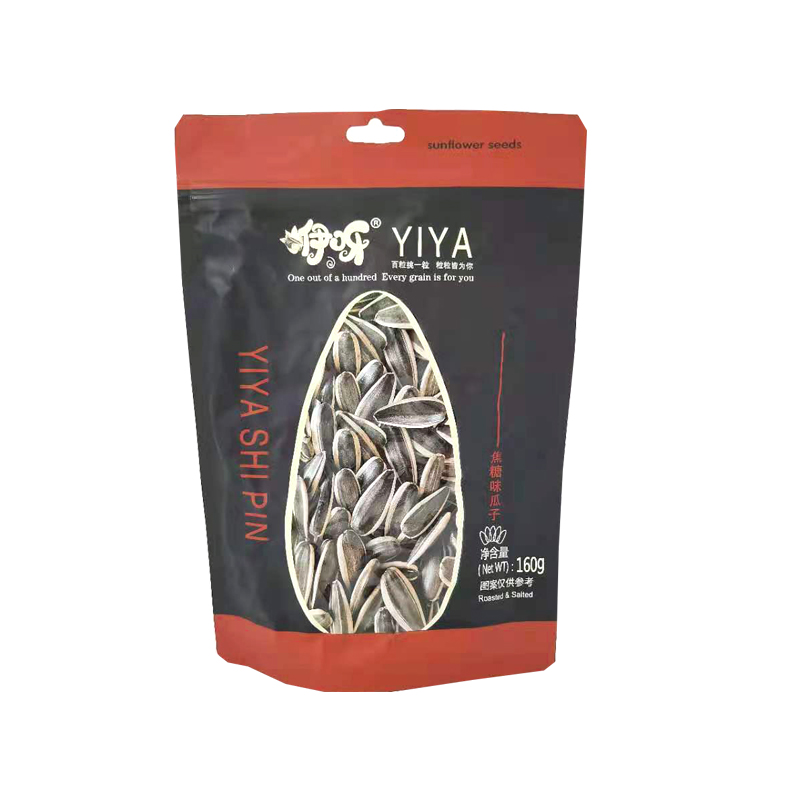
Bulk sunflower seeds for eating ( Helianthus annuus) represent a significant commodity in the global food industry. Positioned within the agricultural processing chain between primary seed production and consumer packaged goods, these seeds serve as a direct snack food and as a raw material for further processing into oil, flour, and confectionery ingredients. Core performance characteristics center around kernel size, oil content, protein content, and freedom from defects, all impacting consumer acceptance and downstream processing efficiency. The industry faces persistent challenges concerning aflatoxin contamination, hulling efficiency, and maintaining consistent quality across variable growing conditions. This guide details the material science, manufacturing processes, performance parameters, failure modes, and relevant standards associated with bulk sunflower seeds intended for direct human consumption.
Material Science & Manufacturing
Sunflower seeds comprise three primary components: the kernel (cotyledon), the hull (pericarp), and the embryo. The kernel constitutes approximately 65-75% of the total seed weight and contains approximately 40-55% oil, 20-25% protein, and 15-20% carbohydrates. The hull, comprising 25-35% of the seed weight, is largely composed of cellulose, hemicellulose, and lignin, providing a protective outer layer. The embryo, while small, is crucial for seed propagation. Seed varieties are categorized as confectionary (large kernel size, thin hull) or oilseed (smaller kernel, thicker hull). Raw material sourcing is heavily dependent on agricultural practices; soil composition, climate, and fertilizer application directly impact oil content and fatty acid profiles.
Manufacturing begins with harvesting and initial drying to reduce moisture content to approximately 9-10%, inhibiting fungal growth. De-heading and cleaning remove plant debris. The critical processing step is hulling, typically accomplished through impact or friction methods. Impact hulling utilizes a rotating impeller to fracture the hull, while friction hulling employs abrasive surfaces. Parameter control during hulling is paramount – excessive force leads to kernel damage (splits, cracks), reducing quality and increasing fines. Following hulling, seeds undergo further cleaning, grading (by size and density), and optical sorting to remove discolored or damaged kernels. Finally, seeds are typically treated with food-grade coatings to maintain freshness and prevent oxidation. Packaging is performed to control moisture and oxygen exposure, vital for shelf-life stability. Precise calibration of cleaning and sorting machinery, alongside careful monitoring of hulling parameters (impact velocity, gap settings), are crucial for maximizing yield and minimizing defects.
Performance & Engineering
The performance of bulk sunflower seeds is governed by several engineering principles. Impact resistance during handling and processing is crucial; kernel strength is related to protein content and moisture levels. Seeds are subjected to shear forces during packaging and transport, necessitating adequate structural integrity to prevent breakage. Moisture content directly influences shelf life and susceptibility to fungal growth (specifically Aspergillus flavus which produces aflatoxins). Aflatoxin levels are a critical safety parameter, governed by regulatory limits.
Environmental resistance focuses on minimizing lipid oxidation, which leads to rancidity. Packaging materials with low oxygen transmission rates (OTR) are essential. The presence of antioxidants (e.g., Vitamin E naturally present in sunflower oil) provides additional protection. Compliance requirements include adherence to food safety standards (HACCP, GMP) and labeling regulations regarding allergen information and nutritional content. Functional implementation relies on consistent kernel size for efficient processing in confectionery applications and predictable oil yield in oil extraction processes. Bulk density is a key parameter for storage and transportation efficiency, influencing volumetric capacity and handling characteristics. Seed flowability is also important in automated processing lines, ensuring consistent feeding rates and preventing blockages.
Technical Specifications
| Parameter | Unit | Typical Value (Confectionary) | Typical Value (Oilseed) |
|---|---|---|---|
| Kernel Size | mm | 16-20 | 12-16 |
| Oil Content (Dry Basis) | % | 45-55 | 50-60 |
| Protein Content (Dry Basis) | % | 20-25 | 22-28 |
| Moisture Content | % | 6-8 | 6-8 |
| Hull Percentage | % | 20-25 | 30-40 |
| Aflatoxin Levels (B1) | ppb | <20 | <20 |
Failure Mode & Maintenance
Failure modes in bulk sunflower seeds primarily relate to quality degradation and safety concerns. Aflatoxin contamination is a major failure mode, resulting from fungal growth during pre-harvest or post-harvest storage under humid conditions. Lipid oxidation leads to rancidity, indicated by off-flavors and decreased nutritional value. Mechanical damage during hulling and handling causes kernel splits and cracks, reducing visual appeal and increasing susceptibility to oxidation. Insect infestation can compromise seed quality and introduce allergens.
Maintenance practices focus on preventative measures. Regular cleaning and sanitation of processing equipment minimize fungal and insect contamination. Maintaining optimal storage conditions (low temperature, low humidity) inhibits fungal growth and slows oxidation. Implementing robust quality control procedures, including regular aflatoxin testing, is essential. Proper hulling parameter calibration minimizes kernel damage. Inventory rotation ensures older stock is used first. For long-term storage, packaging with oxygen absorbers and nitrogen flushing can extend shelf life. A preventative maintenance schedule for hulling machinery, including bearing lubrication and impeller balancing, will ensure consistent processing performance and minimize seed damage.
Industry FAQ
Q: What is the primary factor affecting aflatoxin contamination risk in bulk sunflower seeds?
A: Moisture content is the most significant factor. High moisture levels during pre-harvest (due to rainfall or excessive dew) or post-harvest (during storage) create favorable conditions for Aspergillus flavus growth. Proper drying and controlled storage environments are crucial for minimizing risk.
Q: How does kernel size impact the suitability of sunflower seeds for different applications?
A: Larger kernel sizes are preferred for confectionary applications (direct consumption) as they provide a more satisfying eating experience. Smaller kernels are typically used for oil extraction, where kernel size is less critical.
Q: What are the key differences between impact hulling and friction hulling and their effects on kernel damage?
A: Impact hulling generally results in higher levels of kernel damage (splits and cracks) due to the forceful impact. Friction hulling is gentler but can be less efficient at removing hulls completely. Optimizing parameters within each method is vital.
Q: What packaging materials are most effective at preventing lipid oxidation in bulk sunflower seeds?
A: Packaging materials with low oxygen transmission rates (OTR) and moisture permeability are essential. Examples include multilayer films incorporating aluminum foil or metallized layers. Modified atmosphere packaging (MAP) with nitrogen flushing can further reduce oxidation.
Q: What is the importance of regular aflatoxin testing, and what are the generally accepted limits?
A: Regular aflatoxin testing is critical for ensuring food safety and complying with regulatory requirements. Most regulatory bodies (FDA, EU) have established maximum allowable levels for total aflatoxins (B1, B2, G1, G2), typically in the range of 20 ppb (parts per billion) for human consumption.
Conclusion
Bulk sunflower seeds for eating are a complex agricultural product requiring meticulous attention to material science, manufacturing processes, and quality control. Maintaining optimal moisture content, minimizing mechanical damage during hulling, and preventing aflatoxin contamination are paramount concerns for producers. The selection of appropriate packaging materials and adherence to stringent food safety standards are crucial for delivering a high-quality, safe product to consumers.
Future trends will likely focus on improved seed varieties with increased oil content and enhanced resistance to fungal growth, as well as advancements in hulling technology to minimize kernel damage and maximize efficiency. Sustainable agricultural practices and traceability systems will become increasingly important to meet consumer demand for environmentally responsible and transparent supply chains. Continued research into natural antioxidants and innovative packaging solutions will further extend shelf life and maintain product quality.
