Introduction
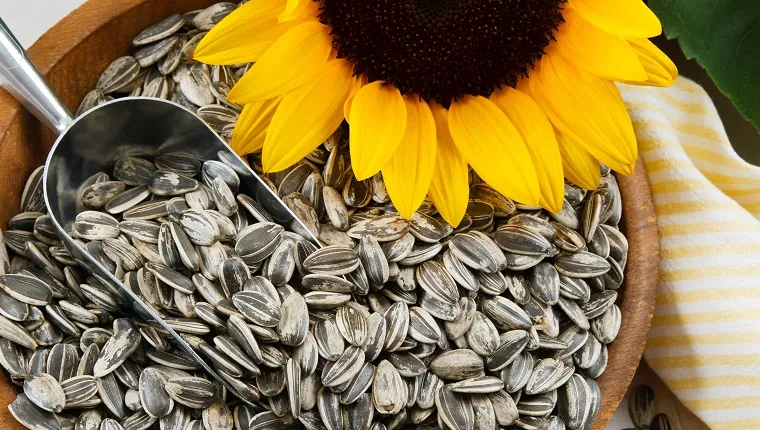
Bulk raw sunflower seeds ( Helianthus annuus) represent a critical commodity in the food, feed, and increasingly, the industrial sectors. Positioned as a primary agricultural product, sunflower seeds occupy a key role in the oilseed processing chain. These seeds are categorized based on oil content (high oleic, mid-oleic, linoleic), kernel size, and hull characteristics (oil-type, confectionery-type). Core performance characteristics encompass oil yield, protein content, fatty acid profile, and the presence of bioactive compounds. The global market demands consistent quality, traceable origin, and adherence to stringent food safety standards. Significant industry pain points include variations in seed quality due to environmental factors, logistical challenges in maintaining seed viability during storage and transport, and the need for efficient dehulling and oil extraction processes. Ensuring optimal seed quality directly impacts the efficiency of downstream processing and the quality of the final product – whether edible oil, snack foods, or animal feed.
Material Science & Manufacturing
Sunflower seeds are comprised primarily of lipids (35-50% dry weight), proteins (18-25%), carbohydrates (15-20%), and fiber (approx. 5%). The lipid fraction consists largely of triglycerides, with fatty acid profiles varying significantly depending on the cultivar. Linoleic acid (omega-6) is predominant in linoleic-type seeds, while oleic acid (omega-9) dominates in high-oleic varieties. The seed hull, or pericarp, is composed primarily of cellulose, hemicellulose, and lignin, providing a protective layer. Manufacturing begins with cultivation, emphasizing soil health, water management, and pest control to maximize yield and seed quality. Harvesting is critical; premature harvesting results in low oil content, while delayed harvesting leads to seed shattering and reduced germination rates. Post-harvest processing involves cleaning (removing debris, chaff, and foreign materials), drying (reducing moisture content to 8-10% to prevent mold growth and lipid oxidation), and dehulling (removing the outer hull to improve oil extraction efficiency and kernel quality). Dehulling methods include mechanical impact, abrasive techniques, and controlled cracking. Key parameter control during drying includes temperature (typically below 45°C to avoid protein denaturation) and airflow. Maintaining a consistent moisture content is crucial for storage stability and preventing aflatoxin contamination. Seed grading is employed to classify seeds based on size, density, and oil content.
Performance & Engineering
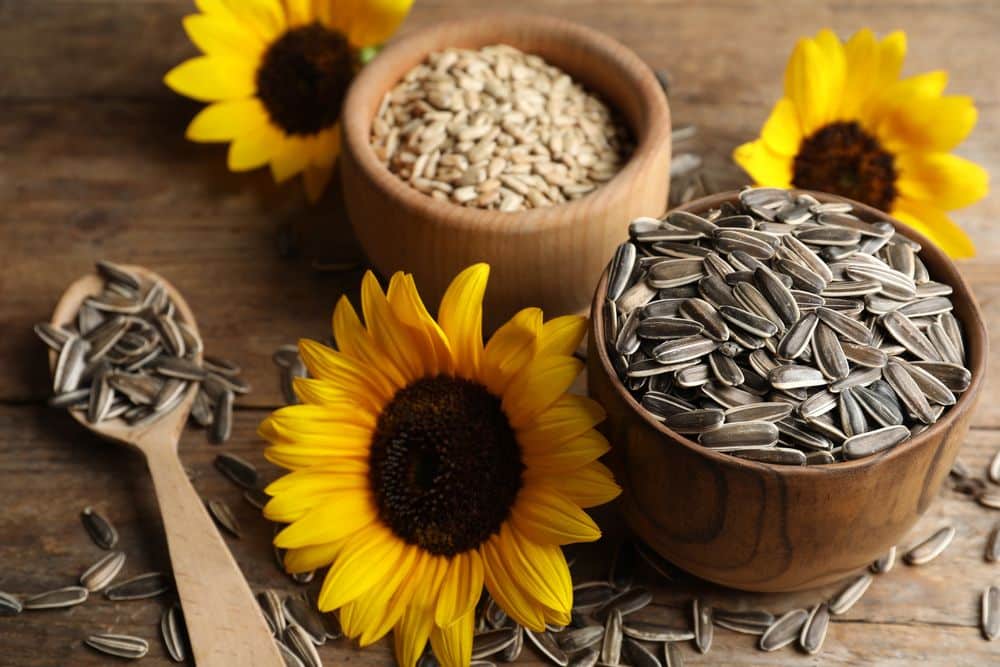
The performance of sunflower seeds is intricately linked to their physical and chemical properties. Force analysis during dehulling requires understanding the fracture mechanics of the hull – tensile strength, shear strength, and impact resistance. Hull rupture must be optimized to minimize kernel damage. Environmental resistance is paramount during storage. Seeds are susceptible to deterioration from moisture absorption, temperature fluctuations, and insect infestation. Modified atmosphere storage (reducing oxygen levels) and the use of insecticidal treatments are common engineering controls. Compliance requirements are dictated by food safety regulations (e.g., FDA in the US, EFSA in Europe) and standards for oilseed quality. Specifically, limits are imposed on aflatoxin levels, pesticide residues, and heavy metal contamination. Functional implementation relies on the seed’s suitability for specific end-uses. Confectionery seeds require a larger kernel size, a higher degree of hulling, and a desirable flavor profile. Oil-type seeds prioritize oil yield and fatty acid composition. The oil extraction process (mechanical pressing or solvent extraction) is engineered to maximize oil recovery while minimizing energy consumption and waste generation. Seed coatings are sometimes applied to enhance handling characteristics, protect against pests, or deliver micronutrients.
Technical Specifications
| Parameter | Unit | High Oleic Variety | Linoleic Variety |
|---|---|---|---|
| Oil Content (Dry Basis) | % | 48-54 | 42-48 |
| Protein Content (Dry Basis) | % | 18-22 | 20-24 |
| Moisture Content | % | < 8.5 | < 8.5 |
| Kernel Size (Screen Size) | mm | 10/64 inch | 9/64 inch |
| Free Fatty Acids (as Oleic) | % | < 0.5 | < 0.8 |
| Aflatoxin B1 | ppb | < 2 | < 2 |
Failure Mode & Maintenance
Failure modes in bulk raw sunflower seeds primarily manifest as deterioration in quality during storage. Lipid oxidation, induced by exposure to oxygen, light, and elevated temperatures, leads to rancidity, off-flavors, and a decrease in oil quality. This process is accelerated by the presence of residual enzymes. Microbial contamination, particularly by Aspergillus species, results in aflatoxin production, rendering the seeds unsafe for consumption. Physical damage during harvesting, handling, and dehulling leads to broken kernels and increased susceptibility to spoilage. Insect infestation can cause significant losses through direct consumption and contamination. Maintenance strategies focus on preventative measures. Proper drying and storage in cool, dry, and well-ventilated conditions are essential. Implementing a robust pest management program, including regular inspections and the use of approved insecticides, is crucial. Controlled atmosphere storage (nitrogen flushing) can inhibit lipid oxidation and microbial growth. Regular monitoring of seed quality parameters (moisture content, oil content, free fatty acid levels, aflatoxin levels) is necessary to detect early signs of deterioration. First-in, first-out (FIFO) inventory management ensures that older seeds are utilized before newer ones. Damage assessment and removal of broken kernels are important quality control steps.
Industry FAQ
Q: What are the critical considerations for long-term storage of bulk sunflower seeds to prevent lipid oxidation?
A: The primary considerations are controlling oxygen exposure, temperature, and moisture content. Storage in sealed containers under a nitrogen atmosphere significantly reduces oxidation rates. Maintaining a temperature below 15°C (59°F) and a moisture content below 8.5% are crucial. Adding antioxidants, while possible, requires careful consideration of regulatory approvals and potential impacts on downstream processing.
Q: How do different dehulling methods impact the oil yield and kernel quality?
A: Mechanical impact dehulling is generally less efficient and can cause higher kernel damage compared to abrasive or controlled cracking methods. Abrasive dehulling, while efficient, can generate dust and potentially introduce contaminants. Controlled cracking offers a balance between efficiency and kernel integrity, yielding higher oil extraction rates with minimal damage. The optimal method depends on the seed variety and desired end-product quality.
Q: What are the acceptable limits for aflatoxin contamination in sunflower seeds, and what testing methods are commonly employed?
A: Acceptable limits vary by regulatory jurisdiction. In the US, the FDA establishes limits for aflatoxins in food and feed. Generally, total aflatoxins are limited to 20 ppb, and aflatoxin B1 is limited to 2 ppb. Common testing methods include Thin Layer Chromatography (TLC), Enzyme-Linked Immunosorbent Assay (ELISA), and High-Performance Liquid Chromatography (HPLC). HPLC offers the highest sensitivity and accuracy.
Q: How does the fatty acid profile of sunflower oil influence its suitability for different applications?
A: High-oleic sunflower oil is preferred for applications requiring high oxidative stability, such as frying and high-heat cooking, due to its low linoleic acid content. Linoleic sunflower oil is used in applications where a balanced fatty acid profile is desired, such as salad dressings and margarines. The ratio of linoleic to oleic acid impacts the oil's susceptibility to rancidity and its nutritional properties.
Q: What are the key quality control parameters that should be monitored throughout the sunflower seed supply chain?
A: Key parameters include moisture content, oil content, protein content, kernel size, hull percentage, free fatty acids, peroxide value (a measure of oxidation), aflatoxin levels, and the presence of foreign materials. Regular testing at each stage – from harvest to storage to processing – is essential to ensure consistent quality and safety.
Conclusion
Bulk raw sunflower seeds represent a complex agricultural commodity requiring meticulous attention to material science, manufacturing processes, and quality control. The performance of these seeds is inextricably linked to their composition, handling, and storage conditions. Maintaining optimal seed quality necessitates a holistic approach, encompassing best practices in cultivation, harvesting, drying, dehulling, and storage.
Future trends will likely focus on developing sunflower varieties with enhanced oil content, improved fatty acid profiles, and increased resistance to pests and diseases. Advancements in storage technologies, such as modified atmosphere packaging and controlled temperature storage, will play a crucial role in preserving seed viability and minimizing losses. Continued adherence to stringent food safety standards and traceability protocols will be essential for maintaining consumer confidence and facilitating global trade.
