Introduction
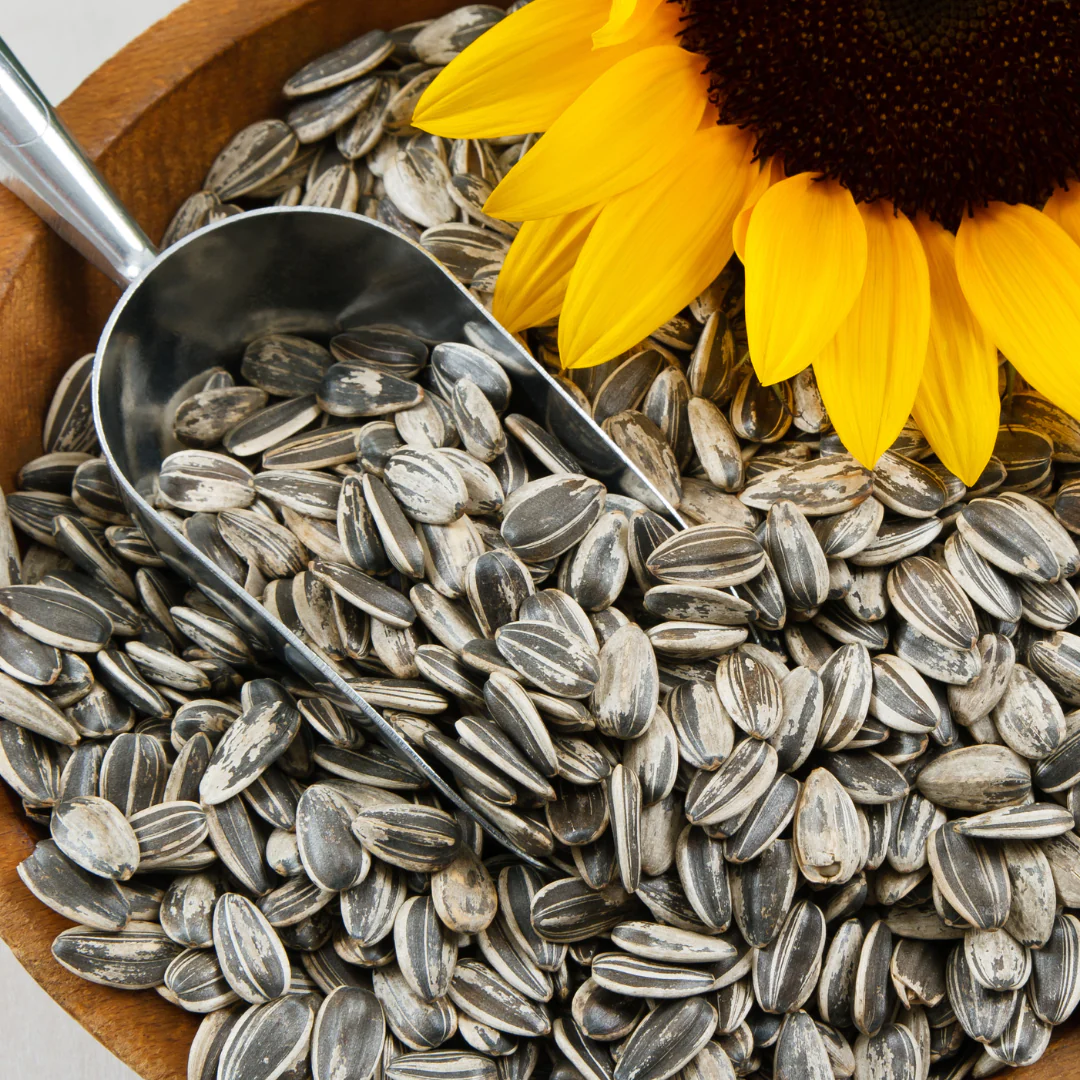
Black sunflower seeds (Helianthus annuus) represent a specialized segment within the broader sunflower seed market, distinguished by their dark hull color and unique nutritional profile. Positioned primarily within the food processing, snack food, and animal feed industries, these seeds serve as a direct consumption snack, ingredient in baked goods, birdseed component, and a source of oil. Their core performance characteristics center around oil content, protein levels, hulling rate, and overall seed integrity. The increasing demand stems from perceived health benefits associated with their high Vitamin E and linoleic acid content, alongside a preference for their distinct flavor profile compared to traditional striped sunflower seeds. This guide provides an in-depth technical analysis of black sunflower seeds, covering material science, manufacturing processes, performance engineering, potential failure modes, and relevant industry standards.
Material Science & Manufacturing
The foundational material science of black sunflower seeds revolves around the composition of the seed kernel and hull. The kernel comprises approximately 40-50% oil, predominantly linoleic acid (a polyunsaturated omega-6 fatty acid), 20-30% protein, 15-25% carbohydrate, and significant levels of Vitamin E, magnesium, and selenium. The hull, providing structural protection, is composed largely of cellulose, hemicellulose, and lignin. The dark pigmentation of the hull is due to anthocyanins, pigments offering antioxidant properties.
Manufacturing begins with cultivar selection, focusing on traits like kernel size, oil content, and hull characteristics. Cultivation practices – soil composition, irrigation, fertilization – significantly impact seed quality. Harvesting typically occurs when seed moisture content reaches 18-20%. Drying is critical, usually employing forced-air systems to reduce moisture to 8-10% to prevent mold growth and maintain viability. Cleaning processes remove debris (stalks, leaves, weed seeds) using screens, air separators, and gravity tables. Dehulling, the separation of the kernel from the hull, is a crucial step, performed mechanically utilizing rubber rollers or impact dehullers. Parameter control is paramount: roller pressure, feed rate, and roller speed directly affect hulling efficiency and kernel damage. Seed grading then sorts seeds by size and density, removing broken or underdeveloped kernels. Finally, treatment with antifungal agents may be applied, followed by packaging in moisture-proof materials.
Performance & Engineering
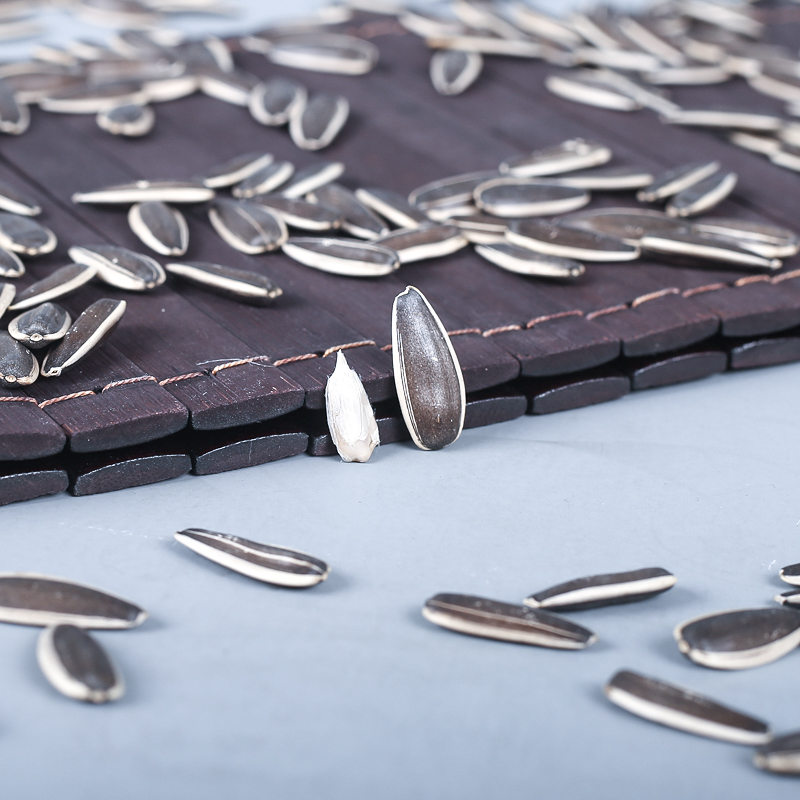
Performance evaluation of black sunflower seeds centers around several key engineering considerations. Hull strength is critical for resistance to cracking during handling and processing; tensile strength testing (ASTM D882) determines hull integrity. Oil extraction efficiency, measured using Soxhlet extraction or NMR spectroscopy, dictates yield and processing costs. Kernel hardness, assessed using a penetrometer, impacts milling performance and snack food texture. Seed viability, measured by germination rate (ISTA standards), determines seed quality for planting purposes.
Environmental resistance focuses on storage stability. Seed lipid oxidation, accelerated by temperature, humidity, and oxygen exposure, leads to rancidity and reduced nutritional value. Packaging materials with low oxygen permeability (OTR) and moisture vapor transmission rate (WVTR) are essential. Antioxidant packaging or the addition of Vitamin E to the seeds can further enhance shelf life. Compliance requirements include adherence to food safety standards (HACCP, GMP), pesticide residue limits (established by regulatory bodies like the EPA and EFSA), and mycotoxin levels (aflatoxins, ochratoxins – regulated by FAO/WHO). Functional implementation in snack foods requires evaluation of flavor release, texture, and compatibility with other ingredients.
Technical Specifications
| Parameter | Unit | Typical Value (Range) | Test Method |
|---|---|---|---|
| Oil Content (Dry Basis) | % | 45-55 | Soxhlet Extraction (AOCS Ja 5-89) |
| Protein Content (Dry Basis) | % | 20-28 | Kjeldahl Method (AOCS Ja 2-84) |
| Moisture Content | % | 8-10 | Oven Drying (AACC Method 915.10) |
| Hulling Rate | % | 60-80 | Visual Inspection / Mechanical Separation |
| Kernel Size (Diameter) | mm | 8-12 | Sieve Analysis |
| Acid Value | mg KOH/g | <0.5 | Titration (AOCS Cd 3-63) |
Failure Mode & Maintenance
Failure modes for black sunflower seeds fall into several categories. Lipid oxidation, as mentioned previously, is a primary concern, leading to rancidity and off-flavors. This is exacerbated by improper storage conditions (high temperature, humidity, oxygen exposure). Physical damage during harvesting, processing, or handling can cause kernel cracks and increased susceptibility to mold growth. Mycotoxin contamination, particularly by aflatoxins, poses a serious health risk. Insect infestation during storage is another potential failure mode. Delamination of the kernel, where the cotyledons separate, can occur due to improper drying or mechanical stress.
Maintenance strategies focus on preventative measures. Proper drying and cleaning are essential to minimize mold growth and insect infestation. Storage in cool, dry, and well-ventilated facilities with appropriate pest control is crucial. Regular monitoring of seed quality (moisture content, acid value, mycotoxin levels) is recommended. Using packaging materials with low OTR and WVTR helps prevent lipid oxidation and moisture absorption. For large-scale storage, controlled atmosphere storage (reducing oxygen levels) can significantly extend shelf life. Implementing a robust HACCP plan and adhering to GMP guidelines minimizes the risk of contamination.
Industry FAQ
Q: What is the optimal moisture content for long-term storage of black sunflower seeds?
A: The optimal moisture content for long-term storage is between 8-10%. Maintaining this range minimizes the risk of mold growth, insect infestation, and lipid oxidation. Regular monitoring and ventilation are critical to prevent moisture regain during storage.
Q: How do you mitigate the risk of aflatoxin contamination in black sunflower seeds?
A: Mitigating aflatoxin contamination requires a multi-faceted approach. This includes selecting cultivars with inherent resistance, implementing proper drying practices to minimize kernel damage, rigorous cleaning to remove infected seeds, and maintaining hygienic storage conditions. Regular testing for aflatoxins is essential to ensure compliance with regulatory limits.
Q: What impact does the dehulling process have on the oil quality of black sunflower seeds?
A: The dehulling process, if not carefully controlled, can negatively impact oil quality. Excessive roller pressure or impact can cause cell rupture, leading to increased lipid oxidation and release of enzymes that degrade oil quality. Optimizing dehulling parameters (roller speed, pressure, feed rate) is crucial to minimize damage.
Q: How does the hull color affect the marketability of black sunflower seeds compared to traditional varieties?
A: The dark hull color is a key marketing differentiator. Consumers often perceive black sunflower seeds as a premium product with enhanced nutritional benefits. The aesthetic appeal and perceived health advantages contribute to a higher market value, particularly in the snack food segment.
Q: What are the key differences in oil composition between black and white (striped) sunflower seeds?
A: While both black and white sunflower seeds are rich in linoleic acid, black sunflower seeds generally have a slightly higher oil content and often exhibit a more favorable ratio of linoleic to oleic acid. They also tend to contain higher levels of Vitamin E, contributing to their antioxidant properties.
Conclusion
Black sunflower seeds represent a valuable agricultural commodity with diverse applications ranging from direct human consumption to industrial oil production. Understanding the intricate interplay of material science, manufacturing parameters, and performance characteristics is paramount for optimizing quality, ensuring food safety, and maximizing economic value. Careful control over cultivation practices, harvesting techniques, processing methods, and storage conditions are all crucial to prevent degradation and maintain seed integrity.
Future advancements in black sunflower seed technology are likely to focus on breeding for enhanced oil content, improved hulling efficiency, and increased resistance to pests and diseases. The development of innovative packaging materials with improved barrier properties will further extend shelf life and maintain nutritional quality. Continued research into mycotoxin control and the optimization of antioxidant strategies will be vital to ensure the long-term sustainability and market competitiveness of this important crop.
