Introduction
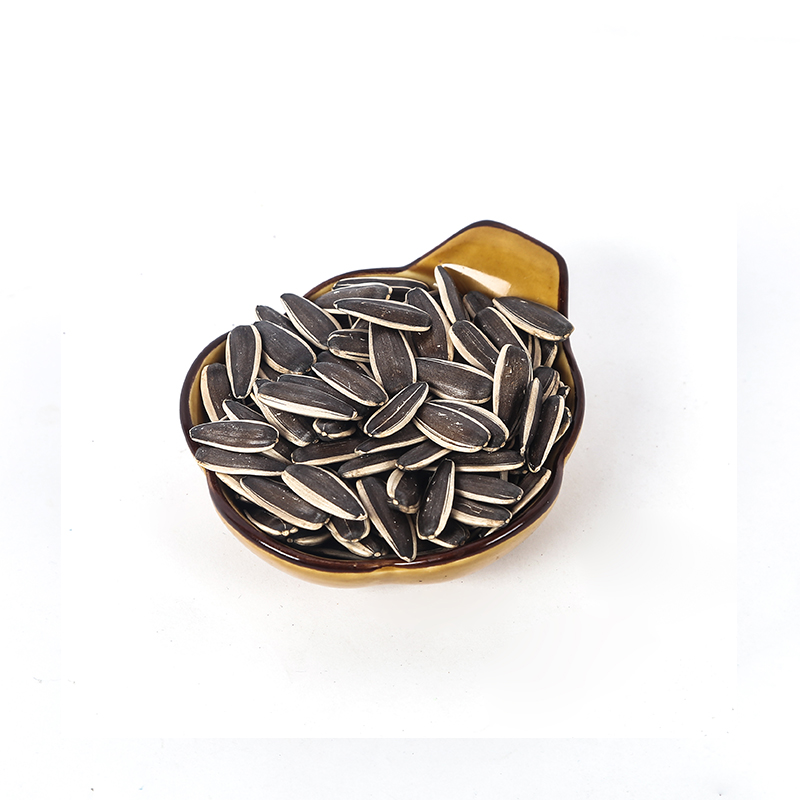
Black oil sunflower seeds (BOSS), typically packaged in 40 lb increments, represent a significant commodity within the agricultural and animal feed industries. Derived from Helianthus annuus, specifically varieties bred for high oil content, these seeds are distinguished by their dark color, indicative of a thinner hull and increased lipid concentration. Their technical position lies at the intersection of oilseed processing, poultry/wildlife nutrition, and increasingly, emerging applications in biofuel production. Core performance characteristics center around oil yield (typically 40-50% by weight), protein content (20-25%), and energy density. The 40 lb packaging is a standard unit for ease of handling, transportation, and storage within distribution networks. This guide provides a detailed technical analysis of BOSS, encompassing material science, manufacturing processes, performance parameters, potential failure modes, and relevant industry standards.
Material Science & Manufacturing
The primary raw material, black oil sunflower seeds, consists of a hull (seed coat), kernel (cotyledon), and embryo. The hull comprises approximately 20-30% of the seed weight and is composed primarily of cellulose, hemicellulose, and lignin – complex carbohydrates providing structural integrity. The kernel, the source of oil, is rich in triglycerides, primarily linoleic acid (omega-6) and oleic acid (omega-9), along with phospholipids, sterols, and pigments. The embryo contains protein and carbohydrates essential for germination. Manufacturing begins with harvesting, followed by drying to a moisture content of 8-10% to prevent fungal growth and enzymatic degradation. Dehulling is a critical process utilizing mechanical friction and air separation. The efficiency of dehulling directly impacts oil yield, as a significant portion of the oil resides within the kernel. Further processing can involve mechanical pressing, solvent extraction (typically using hexane), or a combination of both to extract the oil. Quality control at each stage focuses on monitoring moisture content, oil percentage via Soxhlet extraction, free fatty acid content (indicative of seed freshness and potential rancidity, measured by titration), and seed damage (cracked or broken kernels reduce quality). Packaging into 40 lb bags utilizes multi-layer polypropylene or polyethylene woven bags with polyethylene liners to provide a moisture barrier and prevent contamination. Key parameter control during processing includes maintaining optimal temperature during drying to prevent protein denaturation and lipid oxidation, and precise control of solvent extraction parameters to maximize oil recovery while minimizing residual solvent levels.
Performance & Engineering
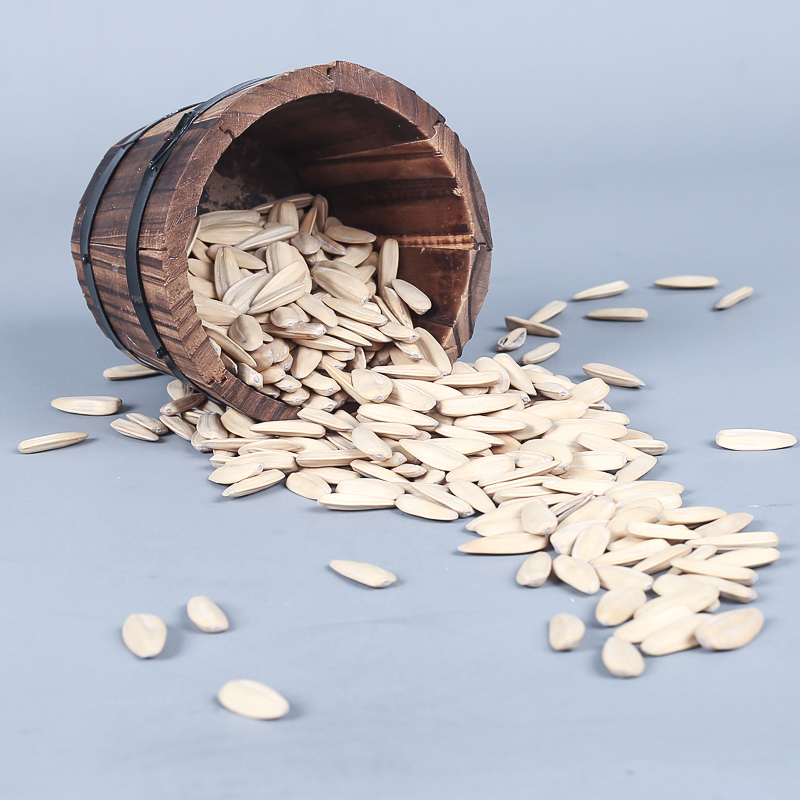
Performance analysis of BOSS centers around its nutritional value and physical properties. For animal feed applications, the metabolizable energy content is a crucial parameter, typically around 2800-3000 kcal/kg. The digestibility of fat is high, making it a valuable energy source, particularly for poultry and wild birds. Force analysis related to handling and storage focuses on the bulk density and flowability of the seeds. Bulk density influences the stackability of bagged seeds and the efficiency of automated handling systems. Flowability is affected by seed size distribution, moisture content, and surface texture. Environmental resistance is a critical consideration; BOSS is susceptible to oxidation and rancidity when exposed to air, light, and heat. Antioxidants are often added during processing to extend shelf life. Compliance requirements include adhering to regulations set by the Association of American Feed Control Officials (AAFCO) regarding nutritional labeling and contaminant levels (mycotoxins, heavy metals). Functional implementation involves formulating BOSS into various feed rations, ensuring proper mixing and distribution to achieve optimal nutritional intake. The oil content contributes to palatability, encouraging consumption. In biofuel applications, the oil undergoes transesterification to produce biodiesel, requiring precise control of reaction parameters (methanol-to-oil ratio, catalyst concentration, temperature, reaction time) to maximize conversion efficiency.
Technical Specifications
| Parameter | Units | Typical Value | Test Method |
|---|---|---|---|
| Oil Content (Dry Basis) | % | 45-50 | Soxhlet Extraction (AOCS Official Method) |
| Protein Content (Dry Basis) | % | 20-25 | Kjeldahl Method (AOAC Official Method) |
| Moisture Content | % | < 10 | Oven Drying (AOCS Official Method) |
| Free Fatty Acid (FFA) | % (as oleic acid) | < 1.0 | Titration (AOCS Official Method) |
| Hull Content | % | 15-25 | Visual Inspection & Sieving |
| Bulk Density | kg/m3 | 550-650 | ASTM D774 |
Failure Mode & Maintenance
Common failure modes for black oil sunflower seeds relate to degradation of quality during storage and handling. Rancidity, caused by lipid oxidation, is a primary concern, resulting in a bitter taste and reduced nutritional value. This is accelerated by exposure to oxygen, light, heat, and trace metal catalysts. Insect infestation is another potential failure mode, leading to seed damage and contamination. Physical damage, such as cracking or breaking of kernels, can occur during handling and transportation, reducing oil yield and increasing dust generation. Fungal growth, particularly Aspergillus species, can produce mycotoxins, rendering the seeds unfit for consumption. Maintenance and preventative measures include storing seeds in cool, dry, and dark conditions, utilizing sealed containers, and implementing pest control programs. The addition of antioxidants (e.g., ethoxyquin, BHT) can inhibit lipid oxidation. Regular monitoring of moisture content and visual inspection for signs of infestation or damage are crucial. For large-scale storage, aeration systems can help maintain uniform temperature and moisture levels. Proper bagging materials with low oxygen transmission rates (OTR) and moisture vapor transmission rates (WVTR) are vital for preserving quality. Shelf life is typically 6-12 months under optimal storage conditions. Failure analysis should involve assessing FFA levels, peroxide value, and mycotoxin contamination to determine the extent of degradation.
Industry FAQ
Q: What is the impact of hull percentage on the overall value of black oil sunflower seeds?
A: A higher hull percentage generally reduces the value of BOSS. While hulls provide some fiber, they dilute the oil and protein content, lowering the energy density and nutritional concentration. Buyers typically prefer seeds with lower hull content, reflecting a higher proportion of valuable kernel material. Pricing is often adjusted based on hull percentage, with premiums paid for lower hull content.
Q: How do different storage temperatures affect the shelf life of black oil sunflower seeds?
A: Storage temperature is a critical factor influencing shelf life. Lower temperatures significantly slow down the rate of lipid oxidation and fungal growth. Storing seeds at temperatures below 15°C (59°F) is recommended for optimal preservation. Temperatures above 25°C (77°F) accelerate degradation and shorten shelf life considerably. Controlled temperature storage is a key investment for preserving seed quality.
Q: What are the key quality control tests performed on black oil sunflower seeds before shipment?
A: Standard quality control tests include moisture content (oven drying), oil content (Soxhlet extraction), protein content (Kjeldahl method), free fatty acid content (titration), hull content (visual inspection/sieving), and mycotoxin analysis (HPLC or ELISA). Contamination testing for foreign materials is also common. These tests ensure the seeds meet specified quality standards and are safe for intended use.
Q: What is the role of antioxidants in preserving the quality of black oil sunflower seeds?
A: Antioxidants, such as ethoxyquin or BHT, inhibit lipid oxidation, the primary cause of rancidity. They act as free radical scavengers, preventing the chain reaction that leads to the degradation of unsaturated fatty acids. The addition of antioxidants extends shelf life and maintains the nutritional value and palatability of the seeds.
Q: How does the presence of mycotoxins impact the suitability of black oil sunflower seeds for animal feed?
A: Mycotoxins are toxic metabolites produced by fungi that can contaminate seeds during growth, harvest, or storage. Even low levels of mycotoxins can be harmful to animals, causing reduced growth rates, immune suppression, and reproductive problems. Regulatory limits are established for mycotoxin levels in animal feed, and seeds exceeding these limits are deemed unsuitable for use.
Conclusion
Black oil sunflower seeds, packaged in standard 40 lb units, are a versatile and valuable commodity driven by their high oil and protein content. Maintaining quality throughout the manufacturing process, from harvest to storage, is paramount to prevent degradation and ensure optimal performance in various applications. Understanding the material science principles governing seed composition and the impact of environmental factors on stability is crucial for effective quality control and preservation.
Future advancements in sunflower breeding may focus on developing varieties with even higher oil content, improved hullability, and enhanced resistance to fungal infections. Innovations in processing technologies, such as supercritical fluid extraction, could offer more efficient and environmentally friendly methods for oil recovery. Continued adherence to industry standards and rigorous quality control protocols will be essential for maintaining the integrity and value of this important agricultural product.
