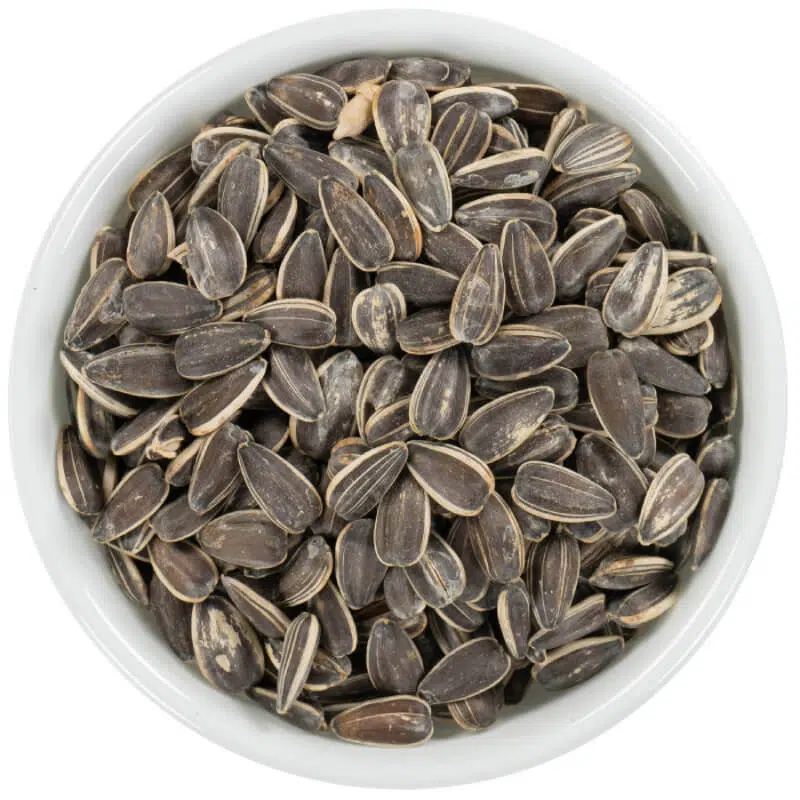
Introduction
Black melon seed kernel, derived primarily from the Cucurbita pepo species, represents a critical intermediate in the food processing and oleochemical industries. Positioned between agricultural production and refined product manufacturing, the kernel undergoes processing to extract oil, protein meal, and increasingly, valuable bioactive compounds. Its primary value proposition stems from its high oil content, typically ranging between 45-60% by weight, rich in linoleic acid. Beyond edible oil, the kernel's structural components and residual oil fractions are attracting attention in biofuel production, cosmetics, and as a renewable feedstock for polymer chemistry. This guide provides a comprehensive technical overview of black melon seed kernel, encompassing its material properties, manufacturing processes, performance characteristics, failure modes, and relevant industry standards. The increasing demand for sustainable and plant-based resources drives the need for detailed understanding of this agricultural byproduct.
Material Science & Manufacturing
The black melon seed kernel's material composition dictates its processing characteristics and final product quality. The kernel’s primary constituents are lipids (45-60%), proteins (20-30%), carbohydrates (10-15%), and moisture (5-10%), with smaller amounts of minerals and fiber. The lipid fraction is dominated by unsaturated fatty acids, notably linoleic acid (omega-6), oleic acid (omega-9), and palmitic acid. Protein content comprises globulins, albumins, and other storage proteins crucial for animal feed applications. The carbohydrate fraction consists mainly of starch and non-starch polysaccharides, influencing textural properties.
Manufacturing commences with seed harvesting and drying to reduce moisture content to approximately 8-10%. This prevents microbial growth and facilitates efficient kernel removal. Kernel extraction is typically achieved through mechanical dehulling and shelling processes. These processes involve impact, friction, and abrasion, demanding precise control of impact forces and gap settings to minimize kernel damage. Subsequently, kernels undergo cleaning to remove debris and foreign matter. Oil extraction is generally performed via mechanical pressing (expelling) or solvent extraction using hexane. Expelling provides a crude oil with higher levels of phosphatides and pigments, requiring further refining. Hexane extraction is more efficient, yielding higher oil recovery rates but necessitating thorough solvent removal. Refining involves degumming, neutralization, bleaching, and deodorization to produce edible-grade oil. The residual kernel meal, post-oil extraction, is a valuable protein source for animal feed. Quality control during manufacturing emphasizes minimizing kernel breakage, ensuring efficient oil recovery, and maintaining oil quality through careful temperature control and prevention of oxidative degradation.

Performance & Engineering
The performance of black melon seed kernel is critically linked to its structural integrity and chemical composition during processing and storage. The kernel’s shell strength, measured via fracture resistance testing, influences its susceptibility to cracking during dehulling and shelling. Mechanical stress analysis is employed to optimize processing parameters and minimize breakage. The oil’s oxidative stability, quantified through Rancimat testing (induction time), dictates shelf life and susceptibility to rancidity. This is influenced by the presence of natural antioxidants like tocopherols and the fatty acid profile. Environmental factors, notably temperature and humidity, significantly impact kernel quality. High humidity promotes microbial growth, while elevated temperatures accelerate lipid oxidation. Engineered storage solutions involve controlled atmosphere storage (reducing oxygen levels) and temperature control (maintaining temperatures below 25°C). Compliance requirements vary by region but generally adhere to food safety regulations (e.g., HACCP) and quality standards (e.g., ISO 22000). Furthermore, the kernel’s performance in biofuel applications necessitates analysis of oil viscosity, calorific value, and cetane number, conforming to ASTM standards for biodiesel fuels. The residual meal’s protein digestibility, determined via in vitro methods, is a key performance indicator for animal feed applications.
Technical Specifications
| Parameter | Unit | Typical Value (Range) | Test Method |
|---|---|---|---|
| Moisture Content | % (w/w) | 8-10 | AOAC 925.10 |
| Oil Content | % (w/w) | 45-60 | Soxhlet Extraction (AOAC 920.39) |
| Protein Content | % (w/w) | 20-30 | Kjeldahl Method (AOAC 920.87) |
| Fiber Content | % (w/w) | 5-10 | Acid Detergent Fiber (ADF) - AOAC 973.18 |
| Linoleic Acid (C18:2) | % of Total Fatty Acids | 50-65 | Gas Chromatography (GC-FID) - AOCS Cd 14-90 |
| Peroxide Value | meq O2/kg | <5 | AOCS Cd 8-53 |
Failure Mode & Maintenance
Black melon seed kernel is susceptible to several failure modes throughout its lifecycle. Microbial Spoilage is a primary concern, manifested as mold growth and aflatoxin contamination, particularly during storage in humid conditions. This is mitigated through proper drying, storage in sealed containers, and regular inspection. Lipid Oxidation (Rancidity) degrades oil quality, resulting in off-flavors and reduced nutritional value. Preventive measures include minimizing exposure to oxygen, light, and elevated temperatures, and the addition of antioxidants. Mechanical Damage during processing (dehulling, shelling, oil extraction) leads to kernel breakage and increased fines, reducing processing efficiency and product yield. Optimizing processing parameters and employing gentler mechanical handling are crucial. Insect Infestation can occur during storage, leading to kernel damage and contamination. Regular monitoring, proper sanitation, and the use of insect repellents are necessary. Maintenance of processing equipment (dehullers, shellers, oil presses) is vital to prevent mechanical failures and ensure consistent product quality. This includes regular lubrication, component replacement, and calibration of sensors. Furthermore, storage facilities should undergo routine cleaning and sanitation to prevent mold growth and pest infestations. Proper inventory management (FIFO – First In, First Out) minimizes storage duration and reduces the risk of spoilage.
Industry FAQ
Q: What is the impact of varying harvest conditions (rainfall, temperature) on the oil yield and quality of black melon seed kernels?
A: Harvest conditions significantly influence kernel oil content and quality. Excessive rainfall during seed maturation can reduce oil content and increase moisture content, promoting microbial growth. Higher temperatures during maturation can accelerate oil degradation, leading to increased peroxide values and reduced oxidative stability. Optimal harvest timing and post-harvest drying are crucial to mitigate these effects.
Q: How does the choice of solvent (hexane vs. alternative solvents) in oil extraction affect the residual solvent levels and the overall safety profile of the extracted oil?
A: Hexane is highly efficient but can leave residual solvent traces in the oil. Stringent refining processes are required to reduce these levels to meet regulatory limits (typically <2 ppm). Alternative solvents, like ethanol or supercritical CO2, offer enhanced safety profiles but may result in lower oil yields and higher processing costs. Selection depends on balancing efficiency, cost, and safety considerations.
Q: What are the key considerations for scaling up black melon seed kernel processing from a pilot plant to a commercial-scale operation?
A: Scaling up requires careful consideration of material handling, process control, and energy efficiency. Maintaining consistent kernel quality throughout the process is crucial. Equipment sizing must account for fluctuations in raw material supply. Waste management (kernel shells, oilseed cake) becomes more significant at larger scales. Furthermore, securing a reliable supply chain and establishing effective quality control protocols are essential.
Q: What analytical techniques are most effective for accurately assessing the quality and purity of black melon seed oil for food and non-food applications?
A: Gas Chromatography-Mass Spectrometry (GC-MS) is vital for fatty acid profile analysis. High-Performance Liquid Chromatography (HPLC) can quantify tocopherols and other antioxidants. The Rancimat method assesses oxidative stability. Acid Value and Peroxide Value determine oil degradation. Spectrophotometry measures color and clarity. For purity, analyzing heavy metal content and residual solvent levels is critical.
Q: Considering the growing interest in sustainable practices, what are the opportunities for valorizing the by-products of black melon seed kernel processing (e.g., shells, oilseed meal)?
A: Kernel shells can be used as a biofuel source or as a soil amendment. Oilseed meal is a valuable protein source for animal feed. Research is exploring the extraction of bioactive compounds from both shells and meal for applications in nutraceuticals and cosmetics. Anaerobic digestion of waste streams can generate biogas, providing a renewable energy source. These valorization strategies reduce waste and enhance the overall sustainability of the processing operation.
Conclusion
Black melon seed kernel represents a valuable resource with multifaceted applications, driven by its rich oil content and protein profile. Understanding its material science, manufacturing intricacies, and performance characteristics is critical for optimizing processing efficiency and ensuring product quality. The industry faces challenges related to microbial spoilage, lipid oxidation, and mechanical damage, necessitating stringent quality control measures and optimized storage practices.
Future developments will likely focus on enhancing oil extraction efficiency, valorizing by-products for sustainable applications, and developing novel applications for the kernel’s bioactive compounds. Adherence to international standards and continuous innovation in processing technologies will be key to unlocking the full potential of this agricultural resource, catering to the growing demand for plant-based oils, proteins, and sustainable materials.
