Introduction
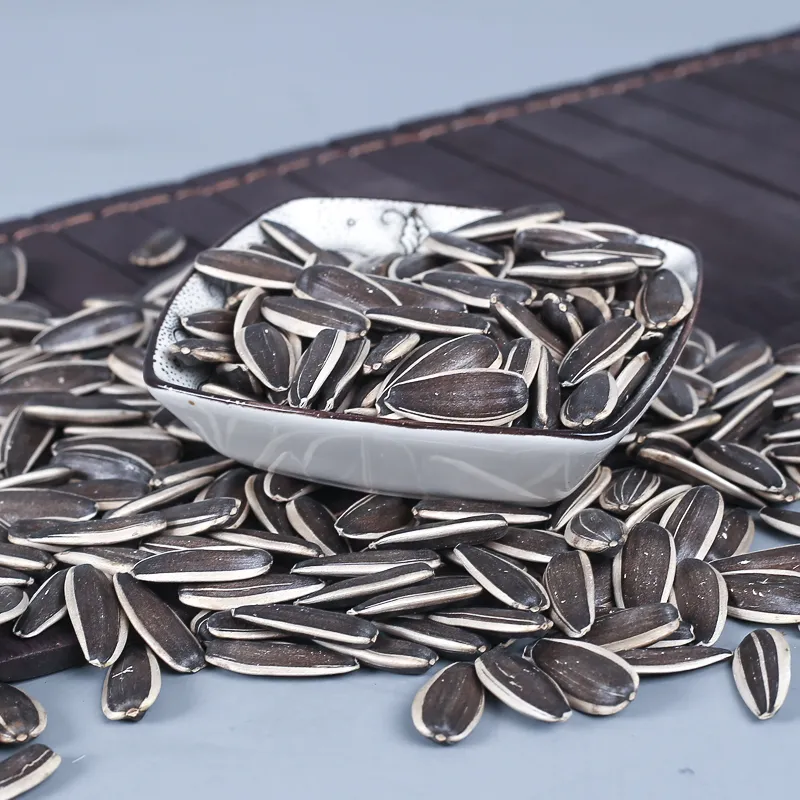
Sunflower seeds designated as animal feed represent a significant component within the agricultural commodity supply chain, functioning as a high-energy, protein-rich supplement for a diverse range of livestock and poultry. Distinct from confectionary sunflower seeds, animal feed varieties are often sourced from oilseed processing byproducts (dehulled seeds, or ‘sunmeal’) or from cultivars specifically bred for feed characteristics, prioritizing oil content, protein levels, and fiber composition. This guide provides an in-depth technical analysis of sunflower seeds used in animal nutrition, encompassing material science, manufacturing processes, performance attributes, potential failure modes, and relevant industry standards. The core performance characteristics revolve around digestible energy content, protein quality, and the absence of anti-nutritional factors that could negatively impact animal health or productivity. A major industry pain point is variability in seed quality due to agricultural conditions, processing methods, and storage practices, necessitating rigorous quality control procedures.
Material Science & Manufacturing
Sunflower seeds primarily comprise carbohydrates (30-40%), protein (20-28%), fat (35-50%), and fiber (10-15%), with minor components including vitamins, minerals, and phenolic compounds. The hull, or pericarp, is largely composed of cellulose and lignin, contributing to fiber content and reducing digestibility. Oil composition is dominated by linoleic acid (typically 60-70%), an omega-6 fatty acid, alongside oleic acid (10-30%) and palmitic acid (5-10%). Protein quality is determined by amino acid profile; sunflower seed protein is somewhat deficient in lysine and tryptophan, necessitating supplementation in some feed formulations. Manufacturing begins with harvesting and drying to reduce moisture content to approximately 9-12% to prevent mold growth and maintain seed viability. Dehulling, typically achieved mechanically, removes the outer hull, increasing oil content and digestibility. Oil extraction, commonly using screw pressing or solvent extraction (hexane), yields sunflower oil and sunmeal. Sunmeal undergoes further processing, including drying, grinding, and pelleting, to improve handling characteristics and reduce dust. Key parameter control during manufacturing focuses on minimizing hull contamination, maximizing oil retention in the meal, and preventing thermal degradation of proteins and fatty acids during drying and pelleting. Particle size distribution in the final product is also critically controlled to optimize feed intake and digestion.

Performance & Engineering
The nutritional performance of sunflower seeds in animal feed is dictated by several factors. Digestible energy (DE) values range from 2,800 to 3,200 kcal/kg for dehulled seeds, varying with oil content. Metabolizable energy (ME) is slightly lower due to fiber content. Protein digestibility ranges from 70-85%, influenced by processing methods and the presence of anti-nutritional factors like phytates. Phytates bind to minerals (zinc, iron, calcium), reducing their bioavailability. Engineering considerations involve optimizing feed formulations to address amino acid imbalances and mitigate the effects of phytates through enzyme supplementation (phytase). Environmental resistance primarily concerns storage stability. Sunflower seeds are susceptible to oxidation of unsaturated fatty acids, leading to rancidity and vitamin E degradation. This is mitigated by adding antioxidants (vitamin E, ethoxyquin) and storing seeds in cool, dry, and dark conditions. Compliance requirements vary by region, with regulations pertaining to mycotoxin levels (aflatoxins, zearalenone), pesticide residues, and genetically modified organisms (GMOs). Force analysis during pelleting is crucial; excessive compression can denature proteins, reducing digestibility, while insufficient compression results in crumbly pellets prone to dust formation.
Technical Specifications
| Parameter | Units | Typical Range (Dehulled Seeds) | Testing Method |
|---|---|---|---|
| Crude Protein | % | 23-28 | Kjeldahl Method (AOAC 920.87) |
| Crude Fat | % | 38-52 | Soxhlet Extraction (AOAC 920.39) |
| Fiber | % | 7-12 | Weende Method (AOAC 978.10) |
| Moisture | % | < 12 | Oven Drying (AOAC 925.10) |
| Digestible Energy | kcal/kg | 2,800-3,200 | Apparent Total Tract Digestibility (ATTD) in swine |
| Phytic Acid | mg/kg | 800-1500 | HPLC-based assay |
Failure Mode & Maintenance
Common failure modes in animal feed sunflower seeds relate to degradation of nutritional quality during storage and processing. Oxidation of unsaturated fatty acids leads to rancidity, reducing palatability and potentially forming harmful peroxides. Mold growth, particularly Aspergillus species, can produce mycotoxins (aflatoxins), posing a significant health risk to animals. Insect infestation can also cause spoilage and contamination. Protein denaturation during excessive heating (pelleting) reduces digestibility. Delamination of pellets can occur due to insufficient binder addition or improper pelleting conditions. Maintenance strategies focus on preventative measures: proper storage in cool, dry, and well-ventilated conditions; regular monitoring for mold and insect infestation; antioxidant supplementation; and careful control of pelleting parameters (temperature, pressure, moisture content). Periodic testing for mycotoxins and fat acidity is crucial. Cleaning storage facilities and implementing pest control programs are essential. When rancidity is detected, the feed should be discarded or used only for non-sensitive animal species at reduced inclusion rates.
Industry FAQ
Q: What is the impact of hull content on the nutritional value of sunflower seed meal?
A: Higher hull content reduces the digestible energy and protein concentration of sunflower seed meal. The hull is primarily composed of indigestible fiber, increasing bulk and decreasing nutrient density. Dehulling significantly improves the nutritional value by concentrating the oil and protein fractions.
Q: How do phytates affect mineral absorption in animals fed sunflower seed meal?
A: Phytates bind to essential minerals such as zinc, iron, calcium, and phosphorus, forming insoluble complexes that reduce their bioavailability to the animal. This can lead to mineral deficiencies, impacting growth, immune function, and overall health. Phytase enzyme supplementation is commonly used to break down phytates and release the bound minerals.
Q: What are the recommended storage conditions for sunflower seed meal to prevent spoilage?
A: Sunflower seed meal should be stored in a cool (below 25°C), dry (below 12% moisture content), and well-ventilated environment, protected from direct sunlight and pests. Airtight storage containers are recommended to minimize oxidation and moisture absorption. Regular monitoring for mold, insects, and rancidity is crucial.
Q: What levels of aflatoxin are considered acceptable in animal feed sunflower seeds?
A: Acceptable levels of aflatoxin vary depending on the animal species and regulatory jurisdiction. Most regulations set maximum limits between 20-300 ppb (parts per billion) for total aflatoxins. Exceeding these limits can lead to animal illness and economic losses.
Q: How does the oil content of sunflower seeds affect their suitability for different animal feeds?
A: Higher oil content generally increases the energy density of the feed, making it suitable for animals with high energy demands, such as poultry and swine. However, excessive oil content can lead to digestive issues in ruminants if not properly balanced in the diet. Different cultivars are bred to optimize oil content for specific applications.
Conclusion
Sunflower seeds represent a valuable and versatile ingredient in animal feed formulations, providing a significant source of energy, protein, and essential fatty acids. However, maximizing their nutritional benefit requires a comprehensive understanding of their material science, manufacturing processes, and potential failure modes. Strict quality control, proper storage, and appropriate dietary supplementation are critical to mitigate risks associated with anti-nutritional factors and ensure optimal animal health and productivity.
Future developments in sunflower seed breeding and processing will likely focus on increasing protein quality (improving amino acid profile), reducing phytic acid content, and enhancing oxidative stability. Improved processing techniques, such as enzyme-assisted extraction, could further enhance nutrient bioavailability. Continued adherence to international standards and rigorous quality assurance protocols will be essential for maintaining the integrity and safety of sunflower seed meal as a key component of the global animal feed supply.
