Introduction
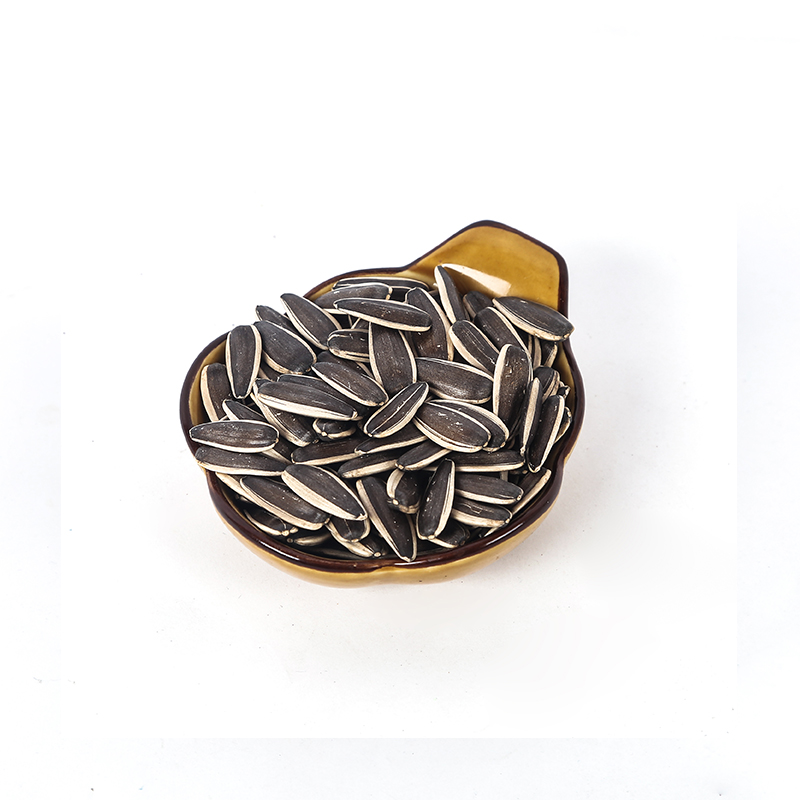
Sunflower seeds for animal feed constitute a significant component in the diets of various livestock and poultry. Derived from the Helianthus annuus plant, these seeds offer a concentrated source of energy, protein, and essential fatty acids. Their position in the agricultural supply chain places them as a valuable byproduct of oil extraction; after oil is removed, the remaining seed meal is a cost-effective and nutritious feed ingredient. Core performance characteristics center on oil content, protein levels, fiber composition, and the presence of potentially antinutritional factors like phytates and cyanogenic glycosides, which require careful consideration during formulation. The increasing demand for sustainable and plant-based protein sources is driving growing interest in sunflower seed meal as an alternative to traditional feedstuffs like soybean meal. This guide will provide a detailed technical overview of sunflower seeds utilized in animal nutrition, covering material science, manufacturing processes, performance characteristics, potential failure modes, and relevant industry standards.
Material Science & Manufacturing
Sunflower seeds, from a material science perspective, consist of a hull (or husk) – approximately 20-30% of the seed’s weight – and a kernel containing the oil and protein. The hull is primarily composed of cellulose, hemicellulose, and lignin, conferring structural rigidity. The kernel comprises approximately 40-50% oil, 20-28% protein, 10-15% carbohydrate, and 5-8% fiber. The oil is rich in linoleic acid (an omega-6 fatty acid) and oleic acid (a monounsaturated fatty acid). Protein quality is considered good, although it contains limiting amino acids such as lysine and methionine.
Manufacturing begins with harvesting and drying the sunflower heads. Mechanical dehulling separates the seeds from the heads. Subsequently, the seeds undergo oil extraction, typically via solvent extraction using hexane, or mechanical pressing (expelling). Solvent extraction is more efficient but necessitates rigorous solvent removal to meet feed safety standards. The resulting oil is used for various applications, while the de-oiled seed meal becomes the primary feed product. Key parameter control during manufacturing includes maintaining optimal moisture content during drying (typically below 12% to prevent mold growth), ensuring complete solvent removal (residual hexane levels must be below regulatory limits, typically <25 ppm), and controlling particle size during milling to enhance digestibility. Extrusion cooking is frequently employed to improve palatability, reduce antinutritional factors, and enhance nutrient availability. This process involves applying heat and pressure, altering the seed meal’s physical and chemical properties, and increasing protein digestibility by denaturing proteins and reducing the activity of antinutritional factors. Controlling extrusion temperature, screw speed, and moisture content is critical to optimize the final product’s quality and nutritional value.
Performance & Engineering
The performance of sunflower seed meal as an animal feed ingredient is heavily dependent on its nutritional profile and how it integrates into the overall diet formulation. For ruminants, the high fiber content contributes to effective rumen fermentation and can support milk production. However, excessive fiber can reduce energy density. For monogastric animals (poultry and swine), the limiting amino acids necessitate supplementation with synthetic lysine and methionine to optimize growth performance.
Environmental resistance is a critical factor, particularly regarding storage stability. Sunflower seed meal is susceptible to oxidative rancidity due to its high unsaturated fatty acid content. This is exacerbated by exposure to oxygen, moisture, and high temperatures. Antioxidants, such as vitamin E and ethoxyquin, are commonly added to prevent oxidation and maintain feed quality. Engineering considerations involve maintaining consistent particle size to ensure uniform mixing in feed formulations and prevent segregation during handling and transport. Dust control is also important for worker safety and to minimize feed waste. Compliance requirements vary by region but typically involve adherence to regulations regarding mycotoxin levels (aflatoxins, zearalenone), pesticide residues, and heavy metal contamination. The European Union, for example, has stringent regulations on the permissible levels of these contaminants in animal feed.
Technical Specifications
| Parameter | Unit | Typical Value (Sunflower Seed Meal) | Standard Deviation |
|---|---|---|---|
| Crude Protein | % | 30-35 | 2-3 |
| Crude Fat | % | 1-3 | 0.5-1 |
| Fiber | % | 25-30 | 2-3 |
| Moisture | % | <12 | 1-2 |
| Ash | % | 6-8 | 0.5-1 |
| Lysine | % | 0.7-1.0 | 0.1-0.2 |
Failure Mode & Maintenance
Several failure modes can occur with sunflower seed meal in animal feed applications. Oxidative rancidity, as previously mentioned, is a primary concern, leading to reduced palatability, loss of essential fatty acids, and the formation of potentially harmful oxidation products. Mold growth, particularly due to Aspergillus species, can result in aflatoxin contamination, posing a serious health risk to livestock. Delamination of the seed meal – the separation of the kernel from the hull – can occur during handling and storage, affecting its flowability and uniformity. Another failure mode is degradation of protein quality due to improper storage conditions, particularly high temperature and humidity.
Maintenance and preventative measures include proper storage in cool, dry, and well-ventilated facilities. Regular monitoring for moisture content and mold growth is crucial. Implementing a First-In, First-Out (FIFO) inventory management system minimizes storage time. The addition of antioxidants, such as ethoxyquin or vitamin E, can effectively retard oxidation. Good housekeeping practices, including regular cleaning of storage areas, prevent pest infestations. Analytical testing for aflatoxins and other mycotoxins should be conducted periodically to ensure feed safety. Finally, proper packaging utilizing moisture-barrier materials helps maintain product quality during transport and storage.
Industry FAQ
Q: What is the impact of the cyanogenic glycosides present in sunflower seeds on livestock health?
A: Sunflower seeds contain cyanogenic glycosides, which can release hydrogen cyanide (HCN) upon enzymatic hydrolysis during digestion. While the levels are generally low in commercially available seed meal, excessive consumption can lead to cyanide toxicity, manifesting as respiratory distress, weakness, and even death. Proper processing, particularly heat treatment during extrusion, significantly reduces the levels of cyanogenic glycosides, mitigating this risk. Monitoring HCN levels in the feed and ensuring adequate ventilation in animal housing are also important preventative measures.
Q: How does the fiber content of sunflower seed meal compare to soybean meal, and how does this affect its suitability for different animal species?
A: Sunflower seed meal typically has a higher fiber content (25-30%) than soybean meal (7-12%). This higher fiber content is beneficial for ruminants, aiding in rumen fermentation and promoting milk production. However, for monogastric animals, such as poultry and swine, excessive fiber can reduce energy digestibility and growth performance. Therefore, sunflower seed meal is often included in ruminant diets at higher levels than in monogastric diets, requiring careful formulation to balance fiber content and nutrient density.
Q: What are the implications of phytate content in sunflower seed meal for mineral bioavailability in animal diets?
A: Sunflower seed meal contains phytate (phytic acid), an antinutritional factor that binds to essential minerals such as calcium, zinc, iron, and manganese, reducing their bioavailability. This can lead to mineral deficiencies in animals. Phytase enzymes can be added to the diet to hydrolyze phytate, releasing bound minerals and improving their absorption. Supplementation with inorganic mineral sources can also help compensate for reduced bioavailability.
Q: What is the shelf life of sunflower seed meal, and what are the optimal storage conditions to maintain its quality?
A: The shelf life of sunflower seed meal is typically 6-12 months when stored properly. Optimal storage conditions include a cool (below 25°C), dry (below 65% relative humidity), and well-ventilated environment. The feed should be stored in airtight containers or bags to prevent moisture absorption and oxidation. Regular monitoring for moisture content, mold growth, and insect infestation is essential.
Q: Is there a significant difference in nutritional value between black oil sunflower seed meal and high oleic sunflower seed meal?
A: Yes, there is. High oleic sunflower seed meal, derived from sunflower varieties bred for increased oleic acid content, offers improved oxidative stability due to its lower linoleic acid content. This results in a longer shelf life and reduced rancidity. Additionally, high oleic sunflower seed meal may have a slightly higher energy value due to the increased proportion of monounsaturated fatty acids. Black oil sunflower seed meal, while still nutritious, is more prone to oxidation and requires more careful storage.
Conclusion
Sunflower seed meal represents a valuable and increasingly important ingredient in animal feed formulations. Its nutritional profile – characterized by high protein and oil content – coupled with its cost-effectiveness, positions it as a viable alternative to traditional feedstuffs. However, successful integration requires a thorough understanding of its inherent characteristics, including the presence of antinutritional factors and susceptibility to oxidative rancidity. Careful control of manufacturing processes, appropriate storage conditions, and strategic dietary supplementation are crucial to maximizing its benefits and minimizing potential risks.
Future trends will likely focus on breeding sunflower varieties with enhanced nutritional characteristics, such as increased lysine content and reduced phytate levels. Furthermore, advancements in processing technologies, such as enzyme-assisted extraction and optimized extrusion parameters, will continue to improve the digestibility and bioavailability of nutrients in sunflower seed meal. The sustainable sourcing and production of sunflower seeds will also become increasingly important as the demand for environmentally responsible animal feed ingredients grows.
