Introduction
Active Student Sunflower (ASS) represents a category of educational materials – specifically, prefabricated sunflower growing kits – designed for STEM learning and horticultural instruction within primary and secondary education. Its technical position within the broader educational supply chain is as a biological demonstration tool, falling between basic seed-based botany lessons and advanced plant physiology experiments. Core performance characteristics center around germination rate, plant health during growth (measured by leaf size and color), flowering success, and the demonstrability of phototropism and heliotropism. These kits address a core pain point in educational resource provision: the difficulty of consistently achieving successful plant growth demonstrations within a classroom setting, often due to variations in seed quality, soil conditions, and student handling. The standardization offered by ASS aims to overcome these challenges and provide repeatable, observable results.
Material Science & Manufacturing
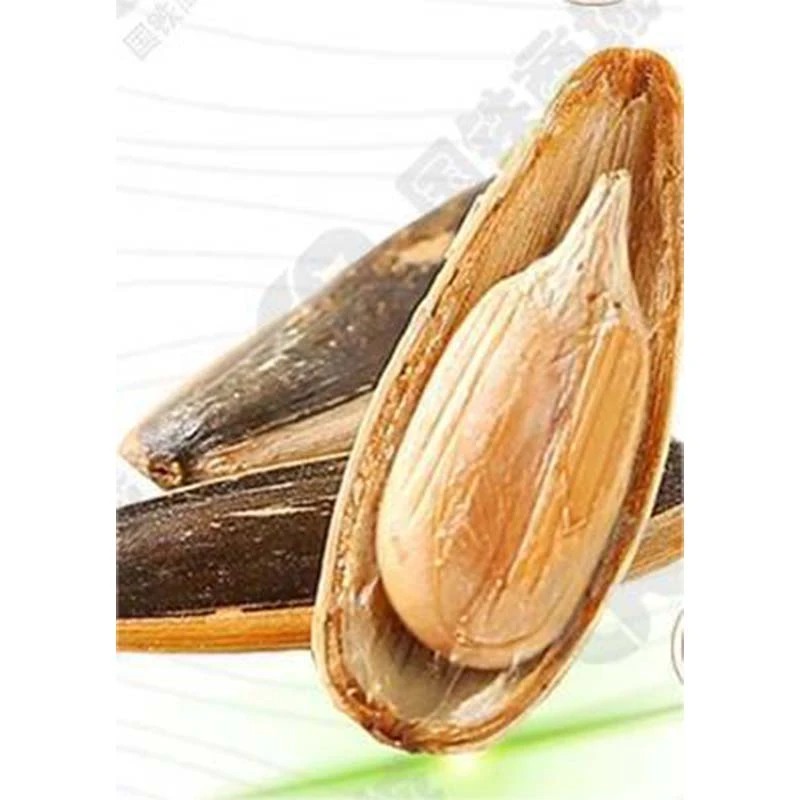
The key raw materials in an Active Student Sunflower kit are sunflower seeds ( Helianthus annuus), a growth medium (typically peat moss, vermiculite, and perlite mixtures), a growing container (usually polypropylene or polyethylene plastic), and potentially a controlled-release fertilizer. Sunflower seeds themselves are comprised of approximately 35-45% oil, 20-25% protein, and a significant carbohydrate content within the endosperm. Seed viability depends critically on oil quality and moisture content during storage. Manufacturing involves seed selection based on germination tests (typically exceeding 90%), blending of the growth medium to achieve optimal drainage and nutrient retention (pH between 6.0 and 7.0 is crucial), and injection molding of the growing container. Key parameter control during container manufacturing focuses on wall thickness uniformity (typically 1.5-2.0 mm) to prevent cracking and ensure structural integrity. Fertilizer coating (if used) requires precise control of polymer coating thickness to regulate nutrient release rate. The plastic utilized in the container must meet safety standards for contact with soil and plant matter, ensuring no leaching of harmful chemicals. Batch quality control includes ongoing germination rate monitoring, media pH testing, and dimensional checks on the containers.
Performance & Engineering
Performance assessment of Active Student Sunflower kits focuses on observable plant growth parameters and the successful demonstration of core botanical principles. Force analysis, while not directly applicable to the kit’s structural integrity, is relevant to the plant itself: stem tensile strength dictates resistance to wind loading, and root development is governed by soil pressure and gravitational force. Environmental resistance is crucial; the kit’s performance is affected by ambient temperature (optimal range 20-25°C), light intensity (at least 6 hours of direct sunlight), and humidity levels. Compliance requirements include adherence to regulations regarding seed sourcing and treatment (preventing the spread of plant diseases) and plastic material safety (RoHS compliance regarding heavy metal content). Functional implementation relies on clear instructional materials that guide students through proper planting, watering, and observation techniques. The design of the growing container often incorporates drainage holes to prevent waterlogging and promote healthy root development. Phototropism and heliotropism, observable phenomena, are key to the kit’s educational value, demonstrating the plant's response to light stimuli. The kit's success is measured by consistent and demonstrable observable results.
Technical Specifications
| Parameter | Specification | Testing Method | Tolerance |
|---|---|---|---|
| Seed Germination Rate | ≥ 90% | ISTA Procedure | ± 5% |
| Growth Medium pH | 6.0 – 7.0 | Electrochemical pH Meter | ± 0.2 |
| Container Material | Polypropylene (PP) | FTIR Spectroscopy | Material Composition Verified |
| Container Wall Thickness | 1.75 – 2.25 mm | Digital Caliper | ± 0.1 mm |
| Fertilizer Release Rate | Controlled Release (3 months) | Nutrient Leaching Test | Release Curve within Specification |
| Container Volume | 500 – 600 ml | Volumetric Measurement | ± 20 ml |
Failure Mode & Maintenance
Common failure modes in Active Student Sunflower kits include seed failure to germinate (due to low viability or improper moisture levels), damping-off disease (caused by fungal pathogens in the growth medium), stunted growth (resulting from nutrient deficiencies or inadequate light), and container cracking (due to material defects or physical stress). Failure analysis points to seed quality as a primary contributor; seeds susceptible to fungal attack or with damaged seed coats are less likely to germinate. Damping-off can be mitigated through sterilized growth medium and proper ventilation. Stunted growth often indicates insufficient light exposure or nutrient imbalance; supplemental lighting or fertilizer adjustments may be necessary. Container cracking typically results from impact damage or exposure to extreme temperatures. Maintenance primarily involves providing clear instructions on proper watering techniques (avoiding overwatering), ensuring adequate light exposure, and monitoring for signs of disease. Post-germination, careful observation for fungal growth and early intervention (e.g., removing affected seedlings) are critical. Long-term storage of unused seeds requires a cool, dry environment to maintain viability.
Industry FAQ
Q: What is the expected shelf life of the seeds within the kit?
A: Under optimal storage conditions (cool, dry, and dark), the sunflower seeds typically retain a germination rate of over 85% for 12-18 months. However, it’s crucial to note that germination rates decline over time, and we recommend using the kit within the first year of purchase for best results. Seed viability is heavily dependent on moisture control.
Q: How does the growth medium composition affect the success rate?
A: The growth medium is a critical factor. The blend of peat moss, vermiculite, and perlite provides optimal drainage, aeration, and nutrient retention. The pH level (6.0-7.0) must be maintained to facilitate nutrient uptake. A medium that is too dense can restrict root development, while one that is too loose may not provide sufficient support.
Q: What are the key indicators of damping-off disease, and how can it be prevented?
A: Damping-off manifests as a rapid decline in seedling health, characterized by wilting, discoloration at the stem base, and eventual collapse. Prevention focuses on using sterilized growth medium, avoiding overwatering (which creates a favorable environment for fungal growth), and ensuring good air circulation. Fungicidal seed treatment can also be considered.
Q: Is the plastic used in the growing container food-safe?
A: While the growing container is not intended for direct food contact, the polypropylene (PP) used is compliant with RoHS directives and does not leach harmful chemicals into the soil or plant matter under normal conditions. However, we advise against reusing the container for food storage.
Q: What level of sunlight exposure is optimal for healthy sunflower growth using this kit?
A: Sunflowers require at least 6 hours of direct sunlight per day for optimal growth and flowering. If sufficient natural light is not available, supplemental grow lights can be used to provide the necessary illumination. Insufficient light will result in weak stems and reduced flowering.
Conclusion
Active Student Sunflower kits provide a standardized and reliable method for demonstrating fundamental botanical principles within an educational setting. The success of the kit relies heavily on the quality of the raw materials, precise manufacturing controls, and adherence to optimal growing conditions. A thorough understanding of seed viability, growth medium composition, and potential failure modes is crucial for maximizing the educational value and minimizing the risk of unsuccessful experiments.
Future developments in ASS technology may focus on incorporating smart sensors to monitor soil moisture and light levels, providing real-time feedback to students and educators. The exploration of biodegradable container materials could further enhance the environmental sustainability of the product. Ultimately, the continued refinement of these kits will contribute to a more engaging and effective STEM learning experience.
