Introduction
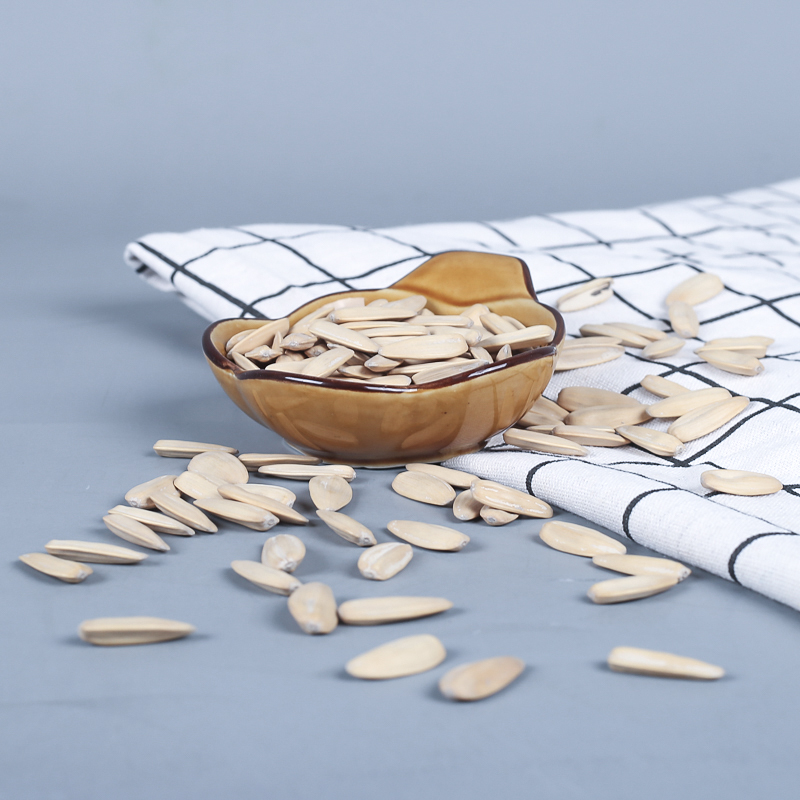
Sunflower seeds, Helianthus annuus, packaged in 50kg bags, represent a significant commodity in the global agricultural market. This technical guide addresses the critical aspects of sunflower seed quality, handling, storage, and potential degradation, from a B2B industrial perspective. Sunflower seeds serve as a crucial input for edible oil production, confectionary applications, and animal feed. Maintaining seed integrity during processing, transport and storage is paramount to maximizing oil yield, preserving nutritional value, and minimizing economic losses. This document details the key material science considerations, manufacturing processes impacting quality, performance characteristics, failure modes, and relevant industry standards applicable to 50kg bagged sunflower seeds intended for industrial processing.
Material Science & Manufacturing
Sunflower seeds are primarily composed of approximately 35-50% oil, 20-30% protein, 10-15% carbohydrates (primarily starch), and 5-10% fiber. The oil is rich in linoleic acid, an omega-6 fatty acid. The seed coat, or hull, consists largely of cellulose and lignin providing physical protection. Seed quality is significantly influenced by genetic variety, growing conditions (temperature, rainfall, sunlight), and post-harvest handling. Manufacturing begins with harvesting, typically using combine harvesters. Post-harvest processes include cleaning (removal of stalks, leaves, and debris), drying to a moisture content of approximately 8-10% (critical to prevent fungal growth and lipid oxidation), dehulling (optional, depending on end-use – oil extraction typically utilizes hulled seeds, while confectionery seeds often retain the hull), grading by size and density, and finally, bagging. Bag material is commonly polypropylene woven fabric with a polyethylene liner. Key parameter control during drying includes maintaining temperature below 45°C to prevent denaturation of proteins and oxidative degradation of oils. Moisture content monitoring is crucial, utilizing techniques like near-infrared spectroscopy. Bag closure integrity is also essential to prevent moisture ingress and pest infestation. Contamination with mycotoxins, particularly aflatoxins, is a significant concern requiring robust quality control measures throughout the process.
Performance & Engineering
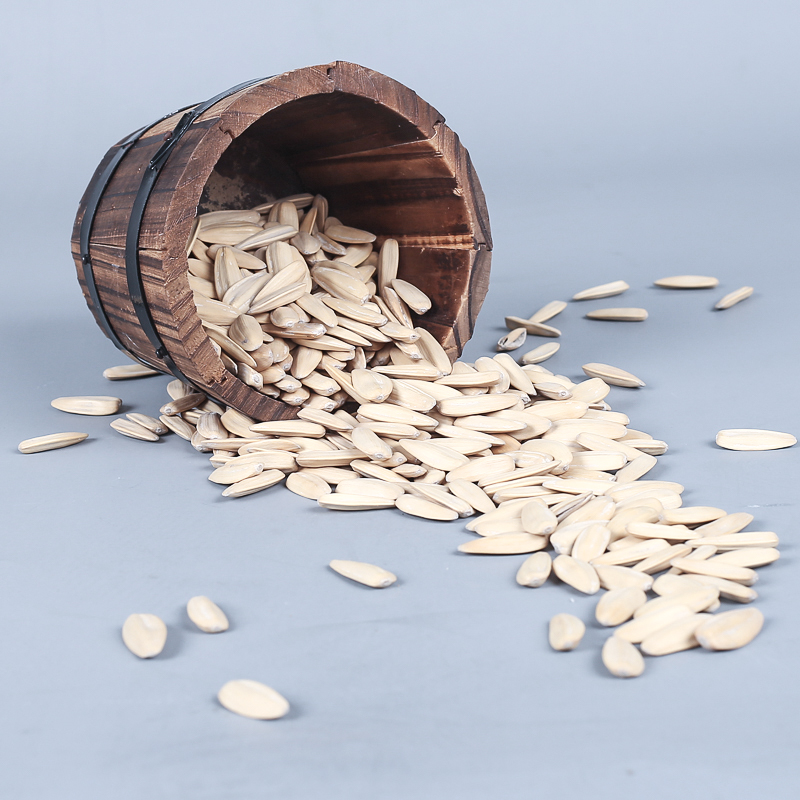
The performance of 50kg bags of sunflower seeds centers on maintaining seed viability and quality throughout the supply chain. Critical engineering considerations include bag strength (tensile strength and tear resistance) to withstand handling and stacking forces. Palletization patterns and maximum stacking height are determined by bag construction and the compressive strength of the seeds themselves. Environmental resistance is a key factor; exposure to humidity, temperature fluctuations, and ultraviolet (UV) radiation can degrade seed quality. Polypropylene bags offer some UV protection, but prolonged exposure can lead to embrittlement. Moisture vapor transmission rate (MVTR) of the bag material is critical; a low MVTR minimizes moisture ingress. Seed respiration generates heat and moisture, necessitating adequate ventilation during storage to prevent localized heating and fungal growth. Furthermore, the structural integrity of the bag impacts handling efficiency in industrial settings, influencing automated unloading and conveying systems. Bulk density variations within the bag can affect material flow in processing equipment; consistent filling weights and seed size uniformity are crucial for smooth operation.
Technical Specifications
| Parameter | Unit | Specification | Test Method |
|---|---|---|---|
| Moisture Content | % | ≤ 10.0 | ASTM D955 |
| Oil Content | % | ≥ 40.0 | AOAC 920.39 |
| Kernel Damage (Broken Kernels, Foreign Matter) | % | ≤ 2.0 | Visual Inspection (ICMS) |
| Aflatoxin Level (Total) | ppb | ≤ 20 | ELISA (AOAC 991.31) |
| Free Fatty Acids (FFA) | % Oleic Acid | ≤ 1.0 | Titration (AOCS Cd 3-63) |
| Bag Tensile Strength (Longitudinal/Transverse) | N | ≥ 800/600 | ASTM D2256 |
Failure Mode & Maintenance
Failure modes for 50kg bags of sunflower seeds fall into several categories. Bag failure can occur due to puncture, tear, or seam rupture during handling and transport, leading to seed spillage and contamination. This is often a result of insufficient bag strength or damage during loading/unloading. Seed degradation is a more insidious failure mode. Lipid oxidation, catalyzed by enzymes and accelerated by heat, light, and oxygen, leads to rancidity and reduced oil quality. Fungal growth, particularly Aspergillus species, produces mycotoxins (aflatoxins) rendering the seeds unfit for consumption. Insect infestation can also lead to seed damage and contamination. Maintenance strategies involve proper storage conditions: cool (≤ 25°C), dry (≤ 60% relative humidity), and dark. Regular inspection of bags for damage is crucial. Implementing a first-in, first-out (FIFO) stock rotation system minimizes storage time. Consideration should be given to controlled atmosphere storage (nitrogen flushing) to reduce oxygen levels and inhibit oxidation and fungal growth. Periodic testing for moisture content, oil quality (peroxide value, FFA), and aflatoxin levels is essential for proactive quality control. Proper hygiene and pest control measures in storage facilities are also critical.
Industry FAQ
Q: What is the impact of varying sunflower seed oil content on processing efficiency in an extraction plant?
A: Lower oil content necessitates processing a larger volume of seed to achieve the same oil yield, increasing energy consumption and processing time. This can also increase wear and tear on extraction equipment. Furthermore, seed with lower oil content typically has a higher fiber content, which can reduce extraction efficiency and increase residue levels.
Q: How does the bag material impact the shelf life of sunflower seeds during long-term storage?
A: The bag material’s permeability to moisture vapor and oxygen significantly impacts shelf life. High MVTR allows moisture ingress, promoting fungal growth and lipid hydrolysis. Insufficient oxygen barrier leads to lipid oxidation and rancidity. Woven polypropylene with a polyethylene liner offers reasonable protection, but thicker liners and potentially multilayer constructions with barrier films improve long-term storage stability.
Q: What are the regulatory limits for aflatoxin levels in sunflower seeds for different international markets?
A: Aflatoxin limits vary significantly. The European Union generally has a limit of 2 ppb for total aflatoxins. The US FDA has an action level of 20 ppb. Different countries may have more stringent regulations, and it’s crucial to verify the specific requirements for each target market. Compliance testing is mandatory for international trade.
Q: What methods are employed to mitigate the risk of aflatoxin contamination during pre-harvest and post-harvest stages?
A: Pre-harvest mitigation involves selecting resistant sunflower varieties, practicing crop rotation, and managing irrigation to minimize drought stress. Post-harvest measures include proper drying to reduce moisture content, thorough cleaning to remove contaminated seeds, and avoiding damage to the seed coat. Implementing robust quality control testing programs throughout the supply chain is essential.
Q: What is the acceptable tolerance for foreign matter (e.g., stems, leaves, stones) in 50kg bags of sunflower seeds intended for oil extraction?
A: While specifications vary depending on contract terms and end-user requirements, a typical acceptable tolerance for foreign matter is ≤ 1.0 - 2.0%. Higher levels of foreign matter can reduce extraction efficiency, contaminate the oil, and damage processing equipment.
Conclusion
Maintaining the quality of 50kg bagged sunflower seeds requires a holistic approach encompassing careful attention to material science principles, meticulous manufacturing processes, and proactive storage management. Seed integrity is paramount, impacting oil yield, nutritional value, and compliance with stringent international regulations. The complex interplay of moisture content, oil oxidation, and potential mycotoxin contamination necessitates continuous monitoring and adherence to best practices throughout the supply chain.
Future advancements in packaging technologies, such as modified atmosphere packaging and the incorporation of oxygen scavengers, will further enhance seed preservation. Furthermore, the development of sunflower varieties with enhanced resistance to fungal pathogens and improved oil stability will contribute to a more resilient and sustainable supply chain. Investing in robust quality control systems and adhering to internationally recognized standards are essential for ensuring the consistent delivery of high-quality sunflower seeds to industrial processors.
