Introduction
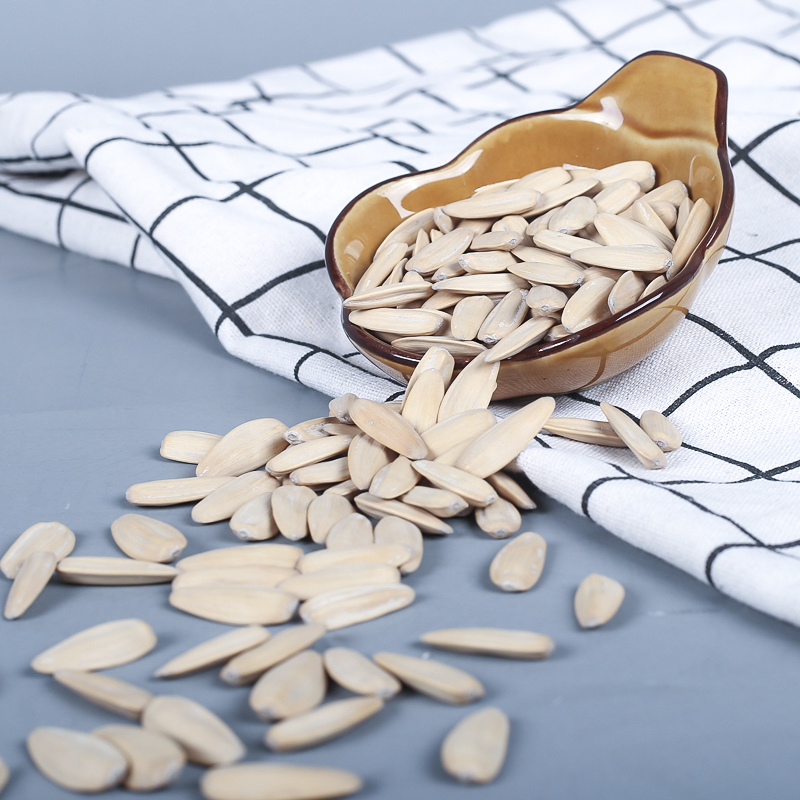
Sunflower seeds ( Helianthus annuus), packaged in 50 lbs units, represent a significant commodity within the agricultural and food processing industries. This technical guide details the physicochemical properties, manufacturing processes, quality control parameters, potential failure modes, and relevant industry standards pertaining to bulk sunflower seed handling and storage. Positioned within the oilseed processing chain, sunflower seeds serve as a primary input for edible oil production, confectionary applications, and increasingly, as a protein source in animal feed. Core performance characteristics include oil content, protein content, moisture content, and the absence of foreign material. The market demands consistent quality and minimal degradation during transportation and storage to maximize yield and maintain product integrity. This document provides a comprehensive overview for procurement managers, processing engineers, and quality control personnel involved in the sunflower seed supply chain.
Material Science & Manufacturing
Sunflower seeds are biologically complex, composed primarily of the kernel (cotyledon), hull (pericarp), and embryo. The kernel constitutes approximately 65-80% of the seed's weight and is rich in oil (40-55% by weight), primarily linoleic acid (approximately 60%), oleic acid (approximately 20-40%), and palmitic acid (approximately 5%). Protein content typically ranges from 18-25%. The hull, comprising 20-35% of the seed weight, provides physical protection and contributes to fiber content. Manufacturing begins with seed selection and harvesting. Maturity is critical; premature harvest results in smaller seeds with lower oil content, while over-maturity leads to increased hull strength and potential cracking during processing. Post-harvest processing involves cleaning to remove foreign materials (stalks, leaves, weed seeds), drying to reduce moisture content (typically to 8-10% for long-term storage), dehulling (optional, depending on end-use), and sizing/grading. Drying is crucial; improper drying can lead to fungal growth and mycotoxin contamination. Dehulling employs mechanical abrasion or impact, requiring precise control of impact force to minimize kernel damage. Key parameters include drying temperature (below 60°C to prevent protein denaturation), dehulling pressure, and seed moisture content. Quality control at each stage relies on visual inspection, moisture analysis (using near-infrared spectroscopy), and oil content determination (using solvent extraction methods like hexane extraction followed by Soxhlet analysis).
Performance & Engineering
The structural integrity of 50 lbs sunflower seed packaging is paramount. Bags, typically constructed from polypropylene (PP) woven fabric with a polyethylene (PE) liner, must withstand static loads and dynamic stresses during handling and transportation. Force analysis considers the weight of the seeds (50 lbs), stacking height, and potential impacts during loading/unloading. Polypropylene’s tensile strength and elongation at break are critical parameters, along with the PE liner’s tear resistance. Environmental resistance is a key concern. Exposure to UV radiation degrades PP, reducing its tensile strength and causing brittleness. Moisture ingress can lead to seed spoilage and bag failure. Therefore, UV stabilizers are often incorporated into the PP fabric, and the PE liner must provide an effective moisture barrier (measured by Water Vapor Transmission Rate – WVTR). Compliance requirements vary by region. In the US, packaging must meet FDA regulations for food contact materials (21 CFR 177.1520 for Olefins). European regulations (Regulation (EC) No 1935/2004) also govern food packaging materials. Furthermore, the packaging must adhere to transportation standards such as those established by the International Maritime Dangerous Goods (IMDG) Code for sea freight and the International Air Transport Association (IATA) Dangerous Goods Regulations for air freight, even though sunflower seeds are generally not considered dangerous goods, best practice dictates adherence to safe handling guidelines. Effective palletization and stretch wrapping contribute to load stability and minimize the risk of bag rupture during transit.
Technical Specifications
| Parameter | Unit | Typical Value | Tolerance |
|---|---|---|---|
| Seed Moisture Content | % | 8.5 | ±0.5% |
| Oil Content (Dry Basis) | % | 48 | ±2% |
| Protein Content (Dry Basis) | % | 22 | ±1.5% |
| Foreign Matter (Max) | % | 1 | N/A |
| Kernel Damage (Max) | % | 2 | N/A |
| Broken Kernels (Max) | % | 5 | N/A |
Failure Mode & Maintenance
Sunflower seed quality degradation manifests in several failure modes. Lipid Oxidation is a primary concern, leading to rancidity and off-flavors. This is accelerated by exposure to oxygen, light, and elevated temperatures. Fungal Contamination (e.g., Aspergillus flavus) can produce mycotoxins (aflatoxins), rendering the seeds unsafe for consumption. Improper drying and storage conditions promote fungal growth. Insect Infestation can cause significant damage and contamination. Pest control measures are essential during storage. Physical Damage (cracking, breakage) reduces seed quality and increases dust formation. This can occur during harvesting, handling, or processing. Hull Degradation leads to increased dust and reduced oil yield. Proper handling minimizes hull damage. Maintenance strategies focus on preventative measures. Optimal storage conditions include cool (below 15°C), dry (below 60% relative humidity), and dark environments. Regular monitoring of moisture content, temperature, and insect activity is crucial. The use of oxygen absorbers and inert gas flushing can reduce oxidation rates. Implementing a robust pest management program and maintaining clean storage facilities are essential for preventing infestations. Regular inspection of packaging for damage and timely replacement are also vital.
Industry FAQ
Q: What is the acceptable level of aflatoxin contamination in sunflower seeds destined for human consumption?
A: Acceptable aflatoxin levels are stringently regulated. In the US, the FDA sets a limit of 20 parts per billion (ppb) for total aflatoxins in food, including sunflower seeds (21 CFR 101.9). The European Union has a similar limit of 2.5 ppb for total aflatoxins (Regulation (EC) No 1881/2006). Regular testing using ELISA or HPLC methods is essential to ensure compliance.
Q: How does seed maturity impact oil yield and quality?
A: Optimal seed maturity is critical. Harvesting too early results in smaller seeds with lower oil content and a higher proportion of hull. Harvesting too late can lead to increased hull strength, making dehulling more difficult and potentially increasing the incidence of cracked kernels. Mature seeds generally have the highest oil content and a balanced fatty acid profile.
Q: What are the key considerations when selecting packaging materials for long-term sunflower seed storage?
A: Packaging materials must provide a moisture barrier (low WVTR), UV protection, and sufficient mechanical strength to withstand handling and stacking. Polypropylene woven fabric with a PE liner is commonly used, but the liner’s thickness and the PP fabric’s denier are important specifications. Consider using UV-stabilized PP for extended outdoor storage.
Q: What drying methods are most effective for preserving sunflower seed quality?
A: Forced-air drying is the most common and effective method. Maintaining a drying temperature below 60°C is crucial to prevent protein denaturation and oil degradation. Proper airflow and even seed distribution are essential for uniform drying. Fluidized bed dryers offer improved drying efficiency but require careful control to avoid seed damage.
Q: How can we minimize lipid oxidation during storage?
A: Lipid oxidation can be minimized by controlling oxygen exposure, temperature, and light. Storage in airtight containers, using oxygen absorbers, and maintaining cool temperatures (below 15°C) are effective strategies. Adding antioxidants (e.g., Vitamin E) can also help prolong shelf life. Regular monitoring of peroxide value is a useful indicator of oxidation levels.
Conclusion
In conclusion, the consistent quality of 50 lbs sunflower seed shipments relies heavily on a comprehensive understanding of its material science, manufacturing processes, and potential degradation pathways. Controlling moisture content, minimizing physical damage, and preventing fungal contamination are paramount. Adherence to industry standards and best practices in packaging and storage are crucial for maintaining product integrity and maximizing yield.
Effective quality control necessitates diligent monitoring throughout the supply chain, from harvesting to storage and transportation. Proactive maintenance strategies, including optimized storage conditions and regular pest management, are essential for preventing failure modes such as lipid oxidation and aflatoxin contamination. Furthermore, staying abreast of evolving regulatory requirements ensures compliance and market access.
